

Kenya is taking its campaign for reforms to the global financial system to Bangkok, Thailand, where finance ministers, central bank governors and development partners are gathering for the 2026 Annual Meetings of the International Monetary Fund (IMF) and the World Bank Group.
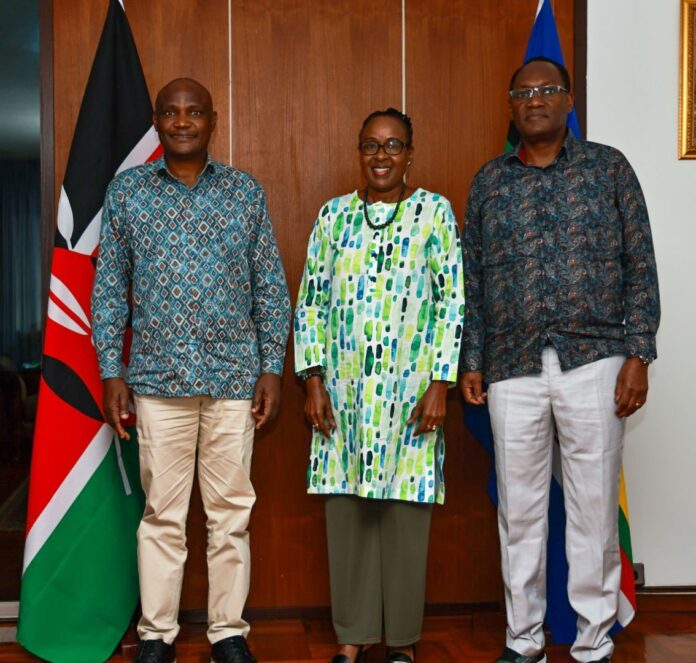
National Treasury Cabinet Secretary John Mbadi arrived in Bangkok on Monday to lead Kenya’s delegation to the meetings, scheduled for October 12–18, as President William Ruto continues advocating for changes to international financial rules that developing countries say limit their access to affordable capital.
Held under the theme “Thailand’s New Horizons: Empowering People, Building Resilience,” the gathering focuses on empowering communities from local to global levels, against a backdrop of geopolitical tensions, commodity price volatility and climate-related shocks affecting economies worldwide.
Despite these uncertainties, Kenya’s economy has remained resilient, with the government seeking to sustain growth, attract investment and strengthen the country’s capacity to withstand external shocks.
Mbadi said Kenya was looking forward to constructive engagements and strategic partnerships that advance the country’s economic interests.
“Africa needs a global financial system that recognises the realities facing developing economies, including the high cost of borrowing and the need for long-term investment in infrastructure, industry and job creation,” Mbadi said.
He was received at the Kenyan Embassy in Bangkok by Ambassador Lucy Kiruthu, alongside Treasury Principal Secretary Dr Chris Kiptoo, ahead of the week-long meetings.
The gathering provides Kenya with an opportunity to engage multilateral lenders, investors and development partners on financing arrangements that can support economic transformation while reducing the cost of accessing capital.
Mbadi added that “We are seeking strategic partnerships that go beyond financing commitments to mobilise investment, strengthen economic resilience and create opportunities for Kenyan businesses and workers.”
Ruto’s reform agenda puts Africa’s financing needs in focus
President William Ruto has repeatedly called for changes to the international financial architecture, arguing that developing economies need more affordable financing and a stronger voice in decisions affecting the global economy.
For Kenya, the discussions are significant as the government seeks to finance infrastructure, expand manufacturing, strengthen agricultural productivity and create jobs without placing excessive pressure on public finances.
African economies often face relatively high borrowing costs, while currency depreciation and external shocks can increase the burden of servicing foreign-denominated debt.
Reforms that improve access to concessional loans, expand financial guarantees and mobilise private capital could help governments finance development projects on more sustainable terms.
Mbadi pointed out that “Kenya’s participation in these meetings is an opportunity to advance financing arrangements that support sustainable growth, protect development priorities and deliver tangible benefits to our people.”
What Kenya and Africa stand to gain
More accessible development financing could support roads, energy projects, water infrastructure and regional transport networks, helping lower business costs and improve connections between African markets.
Kenya could also use the meetings to attract investment into renewable energy, digital infrastructure, industrial development and small businesses. Such investments could create employment, strengthen exports and reduce dependence on imported manufactured goods.
For Africa, a stronger voice in international financial institutions could help ensure that lending policies, debt restructuring mechanisms and development priorities better reflect the continent’s needs.
Affordable financing would also create more room for governments to invest in climate adaptation, including drought resilience, flood protection and sustainable agriculture, without diverting disproportionate resources from essential public services.
However, these benefits will depend on whether discussions translate into concrete financing commitments, viable projects and partnerships that deliver measurable economic returns. Governments must also ensure that additional borrowing remains sustainable.
From advocacy to tangible gains
For Kenya, the immediate test will be whether engagements in Bangkok lead to better financing terms, stronger investor confidence and practical support for national development priorities.
For Africa, the broader challenge is converting calls for a fairer financial system into reforms that expand access to capital without deepening debt vulnerabilities.
As Mbadi leads Kenya’s delegation, the government will be seeking opportunities to turn international financial cooperation into investment, economic resilience and employment.
The ultimate measure of success will be whether the meetings help Kenya and other African economies secure financing that supports long-term development while preserving fiscal stability.

