

A renewed confrontation threatens the fragile peace in the Horn of Africa
The Horn of Africa is facing a fresh period of uncertainty as Ethiopia and Eritrea exchange serious accusations over military movements, territorial security and the future of their already strained relationship. The latest developments have pushed the two neighbours back into the international spotlight, reviving fears that a dispute between governments could expand into a wider regional confrontation. The stakes extend far beyond the immediate border: Ethiopia is one of Africa’s most populous countries, Eritrea occupies a strategically important stretch of the Red Sea coast, and the surrounding region is already dealing with conflict, displacement and competing geopolitical interests.
On 10 October 2026, Reuters reported that Eritrea had asked the United Nations Security Council to intervene in the escalating dispute, rejecting Ethiopia’s allegations of a military incursion and describing the accusations as a pretext for aggression. Ethiopia, meanwhile, had told the UN that Eritrean forces had advanced into its territory. The two sides’ accounts remain contested.
The situation is particularly sensitive because it follows years of hostility, a devastating conflict in northern Ethiopia and unresolved questions about access to the sea. Any further military escalation could threaten civilian safety, disrupt trade and make recovery more difficult in communities that have already experienced years of insecurity.
For readers across Africa and beyond, the immediate question is not simply whether another war is possible. It is why the relationship between the two countries has deteriorated again, what the Red Sea has to do with the crisis, and whether diplomacy can prevent a new conflict.
What is happening between Ethiopia and Eritrea?
The latest confrontation centres on allegations of cross-border military activity and support for armed groups in northern Ethiopia. Ethiopian officials have accused Eritrea of sending troops into Ethiopian territory and supporting insurgent forces. Eritrea has denied the allegations and argued that Ethiopia is using the claims to justify a potential military campaign.
These competing accounts make independent verification essential. In a rapidly developing security crisis, statements issued by governments may reflect genuine concerns, strategic messaging or a mixture of both. A responsible news report must distinguish what each side claims from what has been independently established.
The situation is unfolding alongside renewed instability in the Tigray region, which borders Eritrea. The region was the centre of a devastating war between Ethiopian federal forces, their allies and the Tigray People’s Liberation Front from 2020 to 2022. The conflict ended with a peace agreement, but the political and security arrangements that followed have remained fragile.
The current tensions raise concerns that unresolved disagreements and renewed fighting could undermine the progress made since that agreement. Communities in northern Ethiopia continue to face the consequences of earlier violence, including damaged infrastructure, interrupted livelihoods and displacement.
The possibility of a new confrontation is therefore especially worrying for civilians who have already endured prolonged instability. Even limited military operations can disrupt transport, healthcare, schools and local markets, while making it harder for humanitarian organisations to reach people in need.
Why Ethiopia wants access to the Red Sea
One of the central issues behind the tensions is Ethiopia’s desire for reliable access to the sea. Ethiopia became landlocked in 1993, when Eritrea gained independence after a long struggle. Since then, Ethiopia has relied heavily on ports in neighbouring countries to move imports and exports. Djibouti has become particularly important for the country’s international trade.
Access to maritime routes matters because Ethiopia is a large economy with significant needs for fuel, machinery, food supplies, industrial inputs and export infrastructure. Moving goods through another country can involve transport costs, port fees, customs procedures and exposure to political disagreements.
Ethiopian leaders have argued that access to the Red Sea is important for the country’s long-term economic development. Prime Minister Abiy Ahmed has renewed calls for a sea outlet through negotiation and mutual benefit, but the issue has created concern among neighbouring coastal states.
As for Ethiopia, the argument is rooted in economic geography: a large landlocked state wants reliable and affordable access to global shipping networks. For Eritrea and other coastal countries, however, sovereignty over ports and territory is a fundamental national interest.
The challenge is to reconcile Ethiopia’s economic needs with the sovereignty and security of its neighbours. Any agreement would need to establish clear legal arrangements and mutually accepted terms rather than rely on unilateral action or military pressure.
Why the Red Sea matters to the rest of the world
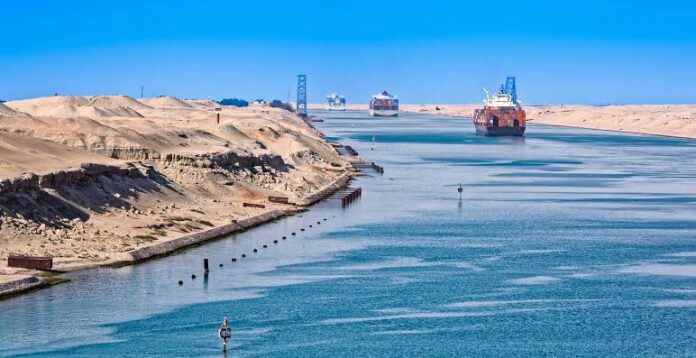
The Red Sea is a critical maritime corridor linking the Indian Ocean to the Mediterranean through the Bab el-Mandeb Strait and the Suez Canal. Ships use this route to carry energy supplies, manufactured goods, food commodities and other products between Europe, Asia and global markets. Instability around the Red Sea can affect shipping costs, insurance premiums and commercial planning. When vessels face increased security risks, some operators may choose longer routes, adding time and expense to international trade.
The Horn of Africa also sits near the Arabian Peninsula, placing its politics within a wider strategic environment involving Middle Eastern states, international naval forces and major trading powers. Ports, shipping corridors and military partnerships are therefore important to countries well beyond the region.
However, the Ethiopia–Eritrea dispute should not automatically be treated as a direct threat to all Red Sea shipping. The actual impact would depend on the location, scale and duration of any military escalation, as well as whether maritime routes or port operations were affected. For international businesses, the principal concern is uncertainty. A prolonged conflict could increase regional risk, complicate transport planning and discourage investment. For governments, the concern is that a bilateral dispute might draw in neighbouring countries or external powers with competing interests.
The legacy of the Tigray war
The current crisis cannot be understood without examining the conflict that devastated Tigray between 2020 and 2022. The war caused enormous civilian suffering, disrupted public services and damaged infrastructure. Families were displaced, livelihoods were destroyed and access to healthcare and humanitarian assistance was severely affected. The peace agreement signed in November 2022 created a path away from large-scale fighting, but it did not automatically resolve every political dispute or security concern.
The region’s recovery has depended on rebuilding homes and public services, restoring economic activity and establishing arrangements that can reduce the risk of renewed violence. Those tasks become more difficult when armed groups remain active or when neighbouring governments accuse one another of interference.
The latest allegations involving Eritrea and northern Ethiopia therefore carry particular weight. If the confrontation intensifies, the consequences may be felt most acutely by communities already struggling to recover. Civilians should not be reduced to statistics in a geopolitical contest. Their safety, access to food and medical care, and ability to return to normal life should remain central to any response.
What could another conflict mean for East Africa?
A new war between Ethiopia and Eritrea would pose serious risks to the Horn of Africa. First, it could create fresh displacement. People living near contested areas might flee to safer parts of Ethiopia or cross international borders. Large movements of people would place additional pressure on host communities and humanitarian services.
Followed by, a conflict could disrupt trade and investment. Businesses rely on predictable transport routes, stable borders and functioning infrastructure. Military escalation can make it harder to move goods, insure cargo or maintain operations in affected areas.
Third, the crisis could complicate regional diplomacy. Governments across the Horn of Africa already manage disputes over borders, water, maritime access and internal security. A confrontation between Ethiopia and Eritrea could deepen existing divisions and force neighbouring states to respond to a rapidly changing security environment. And fourth, it could divert attention and resources from development. Money and administrative capacity directed towards military operations cannot be used in the same way for schools, hospitals, roads and economic recovery. These risks do not mean a wider war is inevitable. They explain why early diplomacy matters and why governments have a strong interest in preventing allegations and military incidents from becoming an extended confrontation.
Could diplomacy prevent a wider war?
Diplomacy remains one of the most important tools available to prevent escalation. The Eritrean request for United Nations Security Council involvement brings the dispute into a forum where international representatives can press for restraint, clarification and dialogue.
The African Union also has a role to play in encouraging peaceful settlement, drawing on regional mechanisms and relationships with both governments. Diplomatic efforts would be stronger if they focused on verifiable facts, communication channels between military authorities and practical steps to prevent accidental clashes. Confidence-building measures could include transparent communication about troop movements, arrangements to investigate alleged border incidents, and renewed discussions about the concerns that each side says threaten its security.
A sustainable settlement would also need to address the underlying political issues. If Ethiopia’s demand for maritime access remains a source of tension, regional leaders could explore lawful commercial agreements that allow access to ports without challenging the sovereignty of coastal states.
Such arrangements would require detailed negotiations, mutual trust and guarantees that no country is being asked to surrender control over its territory. They would also need to account for the interests of existing port and transport partners. Diplomacy is rarely quick, especially when mistrust has accumulated over decades. Yet the cost of failing to communicate can be far higher than the cost of negotiations.
What African leaders and international partners should watch
The coming days will be important for determining whether the current confrontation remains a diplomatic and military standoff or develops into a wider conflict. Observers should look for independently verified information about troop movements, changes in the intensity of fighting, official diplomatic contacts and any measures announced to protect civilians. They should also watch for developments in Tigray and the wider Ethiopian political situation, since internal instability can influence the relationship between the two neighbours.
International partners should avoid amplifying unverified claims and instead support credible fact-finding, humanitarian access and dialogue. External governments also need to consider how their security partnerships and economic interests affect the incentives facing regional actors. For journalists, the priority is careful attribution. If one government alleges that another has crossed a border, the allegation should be clearly identified as such until independent evidence confirms the details. Reporting should also avoid treating an entire population as responsible for the decisions of its leaders.
And for ordinary people in East Africa, the story is a reminder that regional peace is closely connected to economic opportunity. Stable borders and reliable trade routes help businesses grow, support jobs, and make it easier for communities to rebuild after conflict.
Conclusion: The future of the Horn of Africa depends on restraint
The growing tension between Ethiopia and Eritrea is a warning that the peace achieved after earlier conflicts remains vulnerable. The current dispute combines territorial allegations, the fragile security situation in Tigray and a long-running disagreement over Ethiopia’s access to the sea. The facts remain contested, and the scale of any potential escalation is uncertain. What is clear is that renewed fighting could impose high costs on civilians and undermine economic recovery across the region.
The international community and African institutions have an opportunity to press for restraint, transparent investigations and negotiations that address the underlying concerns of both countries. The Red Sea will remain strategically important, and Ethiopia’s need for reliable trade access is a legitimate subject for regional discussion. But lasting access and security are more likely to come through negotiated agreements than through threats or military confrontation. For East Africa, the most important outcome is not a victory for one government over another. It is a peaceful settlement that protects civilians, respects sovereignty, and allows the region to focus on development rather than another cycle of war.

