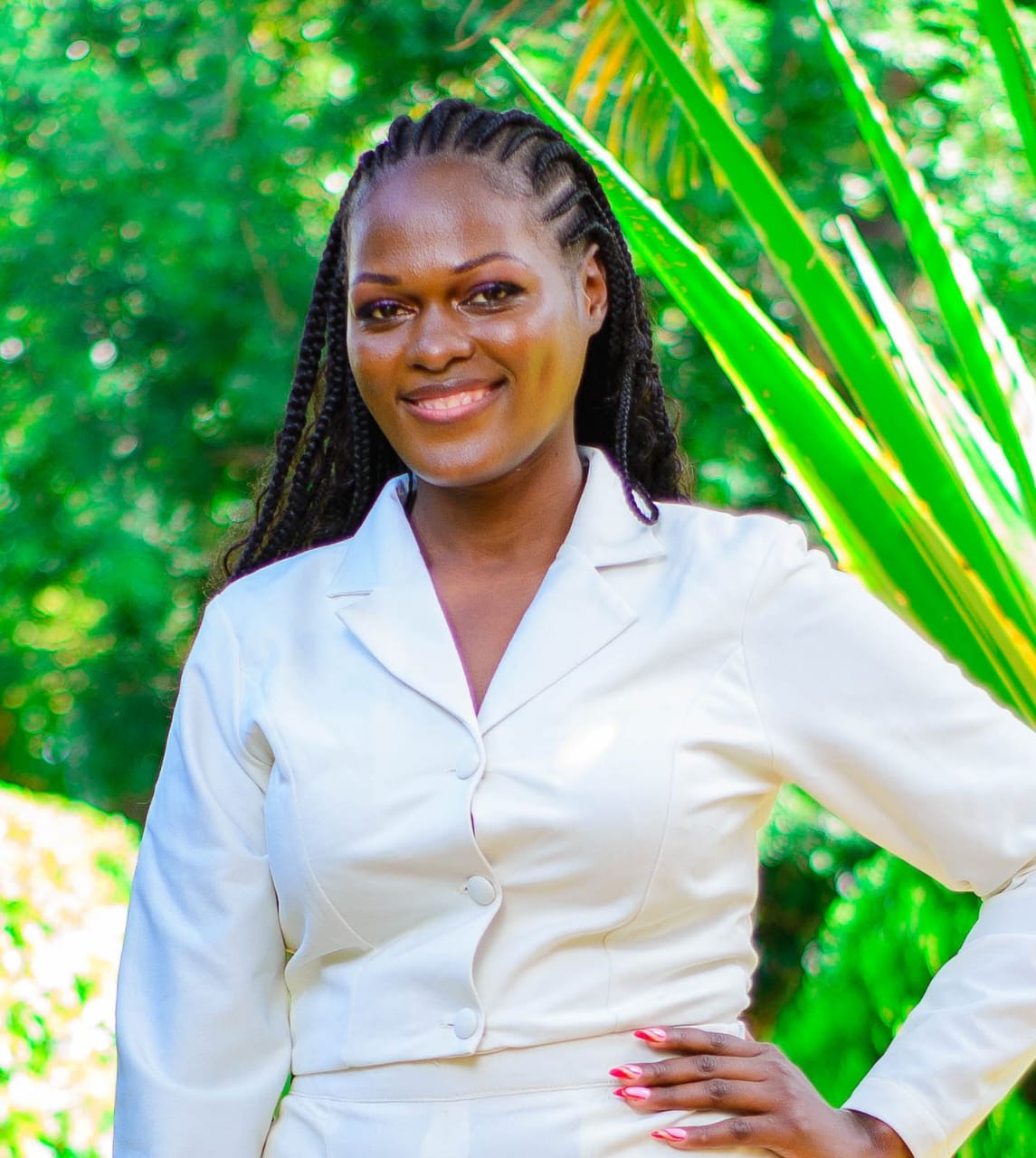
Malawi has outlined its human rights achievements and outstanding challenges at the 89th Ordinary Session of the African Commission on Human and Peoples’ Rights in Dakar, Senegal, calling for stronger continental cooperation to advance fundamental rights and sustainable development.
The country’s progress was presented by Duncan Zikagwa, Chief State Advocate in the Ministry of Justice and Constitutional Affairs, during the session, which opened on October 13 and runs until October 22, 2026.
Presenting Malawi’s statement on the human rights situation, Zikagwa reaffirmed the government’s commitment to democratic governance, the rule of law and the protection of fundamental freedoms through the Constitution and national legislation.
He highlighted water sustainability as a key development and human rights priority, noting that nearly 89 per cent of Malawi’s population had access to improved drinking water services.
The progress has been supported by initiatives including the National Water and Sanitation Project and the Malawi Watershed Services Improvement Project.
However, Zikagwa acknowledged that sanitation deficiencies and climate change-related water stress continued to undermine efforts to ensure universal access to safe and sustainable water services.
He called for greater continental solidarity and resource mobilisation to help African countries address infrastructure gaps and strengthen the resilience of water systems against climate-related pressures.
On civil registration, Zikagwa reported that more than 3.5 million children had been registered out of an estimated 7.5 million eligible children as of July 2026, highlighting the need to expand access to legal identity.
“Birth registration is essential to securing children’s rights to a name and nationality, while improving access to education, healthcare and social protection,” he said.
The government has also sought to modernise identity services through the Nzika Digital ID wallet, launched on September 16, 2026, and the removal of expiry dates from national identity cards.
The measures are intended to make legal identification more accessible and reduce barriers that can prevent citizens from accessing public services and exercising their rights.
On access to justice, Zikagwa highlighted the role of the Malawi Legal Aid Bureau in extending legal services to underserved communities through the establishment of district offices, recruitment and capacity-building initiatives.
He said the government had also taken steps towards institutionalising the Judicial Service Commission, adding that its composition met the required statutory 40/60 threshold.
The Legal Aid Bureau had conducted 39 public awareness campaigns and 41 legal aid clinics to improve legal literacy, particularly in rural communities where access to legal assistance can be limited.
Partnerships with other justice-sector stakeholders have also helped expand pro bono legal services, protect survivors of gender-based violence and advance children’s rights.
On gender equality, Zikagwa said Malawi continued to implement the Gender Equality Act through its 2025–2030 Implementation and Monitoring Plan.
The plan focuses on eliminating sex-based discrimination, preventing sexual harassment, promoting equal opportunities and strengthening gender representation.
These efforts form part of the country’s broader commitments to advancing equality and protecting vulnerable groups through legal and institutional reforms.
Zikagwa also reaffirmed Malawi’s commitment to the African Charter on Human and Peoples’ Rights and continued engagement with the African Commission.
He said the government had initiated stakeholder consultations to validate its periodic reports under the African Charter and the Protocol to the African Charter on Human and Peoples’ Rights on the Rights of Women in Africa, commonly known as the Maputo Protocol, before submission.
Malawi’s presentation comes as African countries continue to confront challenges in translating human rights commitments into measurable improvements in citizens’ lives.
The discussions at the commission provide a platform for governments and other stakeholders to assess progress, identify implementation gaps and strengthen accountability for the protection of human rights across the continent.