

The World Health Organization released a new guide this week to help countries shift away from institutional mental health care built around long stays in psychiatric hospitals, and toward person-centred care in the community that respects people’s rights and choices. The guide was published in the lead-up to World Mental Health Day on 10 October.
WHO said many people with mental health conditions live in large psychiatric hospitals and social care institutions, with nearly half held there involuntarily for months, years or even decades, isolated from the outside world.
The process of moving away from this model, known as deinstitutionalization (DI), involves helping people who have spent six months or more in psychiatric hospitals to return to their communities with the care, support and opportunities they need to lead fulfilling lives.
“People should not have to give up their freedom, dignity or place in their community to receive ongoing mental health support,” said WHO Director-General Dr Tedros Adhanom Ghebreyesus. “Countries must move away from relying on long-term institutional care and accelerate the shift of investments from institutions to rights-based mental health care and support in communities.”
Practical steps for hospital leaders
The guide sets out practical actions for psychiatric hospital leaders. It focuses on reducing admissions and long stays, changing institutional practices to better protect people’s rights, and helping people leave hospital and return to community life with the support they need.
WHO stressed that hospitals cannot achieve DI alone. Access to housing, health care, social support, education, employment opportunities and support for families are all essential to helping people live well in their communities.
Progress remains uneven
Many countries are working to strengthen community-based services, but WHO said progress is patchy. Its Mental Health Atlas found that only 9% of reporting countries had fully shifted to community-based mental health care, while more than half (53%) were still at an early stage of reform. More than one in four people (28%) admitted to psychiatric hospitals stayed longer than six months.
Lived experience at the centre
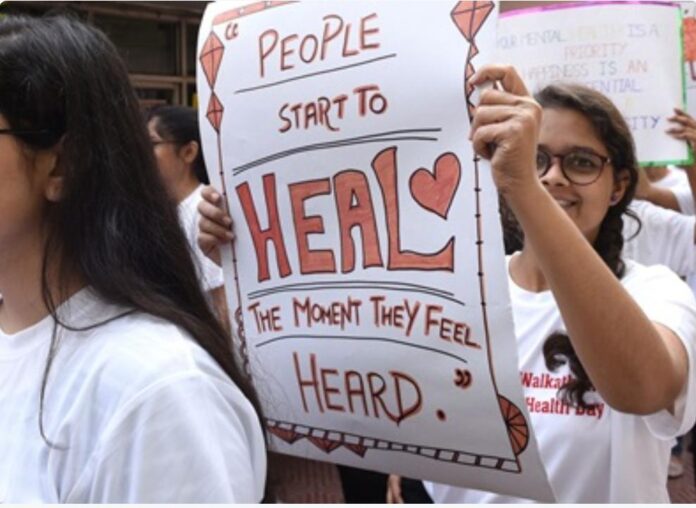
The guide aligns with this year’s World Mental Health Day theme, “Lived experiences heard: real voices, real change,” and highlights the importance of making people with lived experience active partners in shaping the policies, services and decisions that affect their lives. WHO said people who have experienced institutional care are too often left out of decisions about how mental health systems are designed and reformed.
“Shifting towards community-based mental health care must be done with people who know what it means to go through institutional care, not for them,” said Grace Gatera, an independent lived experience consultant and advocate. She said their expertise is essential to building services that support choice, recovery and participation in community life.
The guide was developed with experts from around the world, including people with lived experience, and its approaches can be adapted to different countries and local contexts.
Marking World Mental Health Day, WHO called on governments and services to accelerate the shift to community-based care and to build mental health systems together with people with lived experience, not simply for them.

