

Cholera deaths rose by nearly a third globally in 2025 despite a decline in reported cases, with Africa recording the largest regional burden, according to new data from the World Health Organization (WHO).
WHO said 47 countries reported 451,499 cholera cases and 7,870 deaths in 2025, representing a 30.6 per cent increase in reported deaths from 2024 and the highest annual number of cholera deaths reported to the agency since 1999. Reported cases, however, fell by 19.5 per cent from 560,823 in 2024.
The agency cautioned that the figures reflect reported surveillance data rather than the full global burden, as cholera cases and deaths can go unreported.
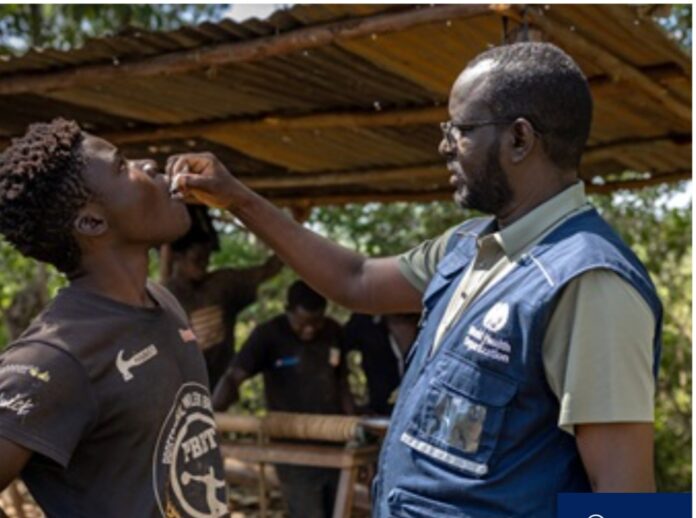
Africa accounted for more than half of all reported cholera cases and more than two-thirds of deaths globally in 2025. Twenty-two countries in the WHO African Region reported 245,501 cases and 5,338 deaths, with cases increasing by 34 per cent and deaths by 58 per cent compared with 2024. (World Health Organization)
Seven countries — Angola, Bangladesh, the Democratic Republic of the Congo, Nigeria, South Sudan, Sudan and Yemen — accounted for about 90 per cent of reported global cholera cases and deaths.
The Democratic Republic of the Congo recorded 71,168 cases and 2,071 deaths, while Angola reported 36,341 cases and 895 deaths. Nigeria recorded 24,354 cases and 548 deaths.
WHO said the increase in deaths highlights continuing gaps in prevention, early detection and timely access to treatment.
More than one in five reported cholera deaths occurred outside health facilities, suggesting that some patients are reaching care too late. Among patients treated in health facilities, the global case fatality rate was 0.9 per cent, although 12 countries recorded rates above 1 per cent.
Dr Chikwe Ihekweazu, Executive Director of WHO’s Health Emergencies Programme, said the rise in deaths shows the need for stronger investment in safe water, sanitation and hygiene, alongside disease surveillance, vaccination, community engagement and access to quality care.
The data also point to an improvement in the availability of oral cholera vaccines. Global production more than doubled between 2022 and 2025, rising from about 30 million to approximately 80 million doses annually. The International Coordinating Group on Vaccine Provision approved 71 million doses for affected countries in 2025, including 20 million for preventive vaccination.
WHO’s latest report also highlights developments in the fight against meningitis.
In Africa’s meningitis belt, stretching from Senegal to Ethiopia, 24 of 26 countries reported 21,526 suspected cases and 971 deaths in 2025, giving a fatality rate of 4.5 per cent. Among countries reporting data for both years, suspected cases fell by 5.9 per cent.
Vaccination has significantly reduced meningococcal disease caused by serogroup A. WHO reports that cases of serogroup A meningococcal disease have declined by more than 99 per cent among vaccinated populations since the introduction of the meningococcal A conjugate vaccine in 2010.
A newer vaccine providing protection against five meningococcal serogroups is also being introduced in the region. Niger became the first country to conduct a nationwide campaign using the vaccine in 2025.
Meanwhile, plague remains a concern in parts of Africa, particularly the Democratic Republic of the Congo and Madagascar.
Between 2019 and 2025, 10 countries reported suspected human plague cases to WHO, with six reporting confirmed cases. A total of 3,847 suspected cases and 423 deaths were reported during the period, representing an overall case fatality rate of 11 per cent.
WHO said continued surveillance of rodents and other animal populations, together with rapid outbreak response, remains important for detecting plague early and limiting transmission.
The latest findings are contained in the WHO Weekly Epidemiological Record and underline the continuing importance of disease surveillance, prevention and timely access to treatment for epidemic-prone bacterial diseases.

