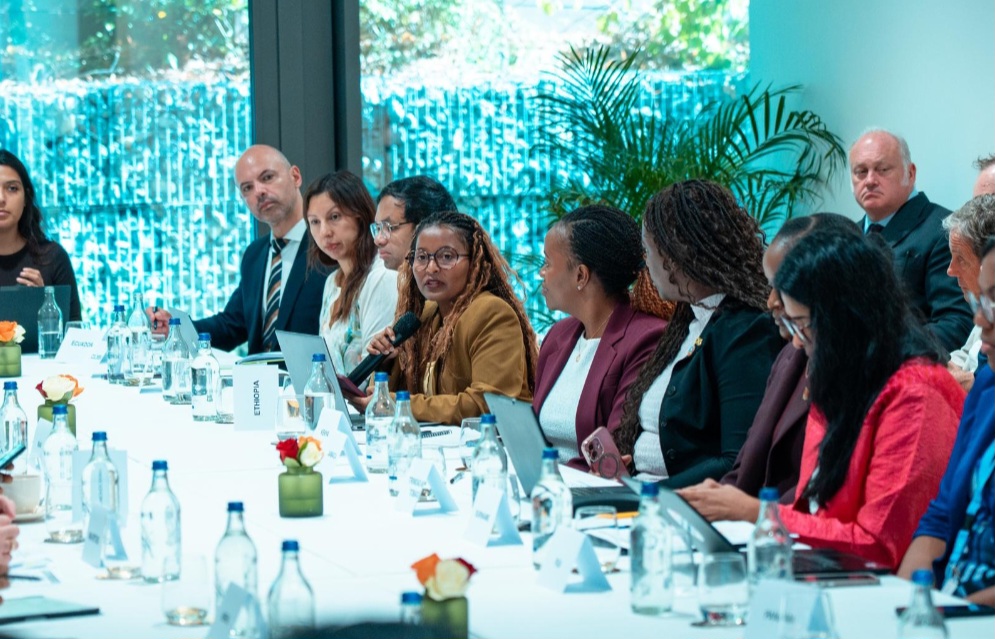
The Group of Friends of Traditional Medicine has grown to 36 Member States after welcoming Egypt, Kazakhstan, Nepal and Suriname at its 8th meeting in Geneva, where representatives discussed how to move from commitments to implementation of WHO’s global strategy on the subject.
The meeting took place at the Permanent Mission of India in Geneva on 23 September 2026, alongside Ayurveda Day 2026 events. It brought together WHO Member States, members of the traditional medicine community and international partners. Indian Ambassador Arindam Bagchi chaired the session.
Putting the Global Strategy to work
Participants focused on implementing the Global Strategy on Traditional Medicine 2025-2034, which the World Health Assembly adopted in 2025. Members shared national experience in several areas:
– Strengthening legal frameworks and reducing barriers to exporting traditional medicine products
– Protecting intellectual property rights and the sacred knowledge of Indigenous and local communities
– Supporting medical tourism and national centres of excellence through cross-ministerial collaboration
The group closed its meeting by voicing support for WHO’s continued focus on traditional medicine after a new WHO Director-General is elected in 2027.
Thailand to host third global summit
Thai Ambassador Usana Berananda outlined her country’s vision for the 3rd WHO Global Summit on Traditional Medicine, planned for November 2027. Thailand takes over from India, which hosted the 2nd Summit in 2025.
“We will host the next Summit in a spirit of continuity,” she said, summing up Thailand’s approach in three words: wisdom, well-being and wealth. She said the summit should help countries take “the next step from recognition and commitment to implementation.”
New “Living Well” initiative proposed
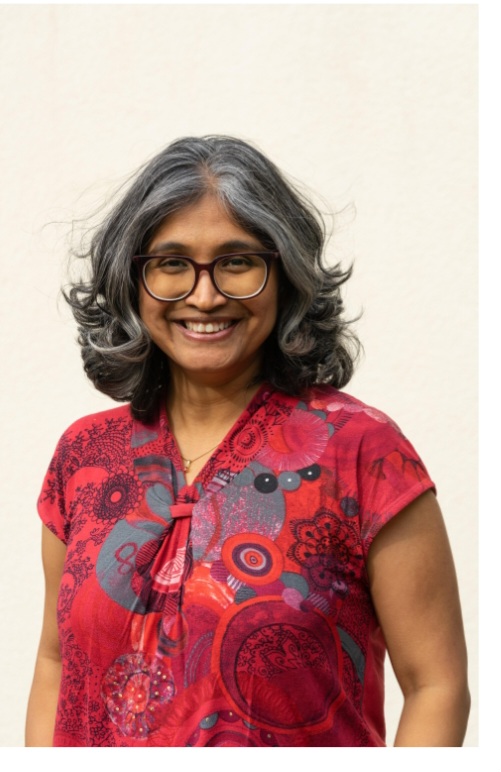
Dr Shyama Kuruvilla, Director a.i. of the WHO Global Traditional Medicine Centre, presented an emerging initiative called Living Well for discussion. It envisions a conceptual multisectoral action framework to support country-led efforts to promote health and well-being across sectors, including health, environment, agriculture, education, science, technology, trade, finance, tourism and Indigenous affairs.
A multistakeholder cooperation platform has also been proposed to turn the framework into action. One possible outcome is a global trust mark that would promote responsible sourcing, safety and sustainability in well-being products and services through independent verification.
Ayurveda in focus
The programme ended with a panel on Ayurveda’s contribution to the global traditional medicine agenda, moderated by Dr Pradeep Dua of the WHO Global Traditional Medicine Centre. Senior officials from India, Mauritius, Nepal and Suriname discussed advancing Ayurveda through research, evidence generation, innovation and integration into health systems, as well as promoting health and well-being. The session also considered how traditional medicine knowledge and practices can help strengthen health systems more broadly.