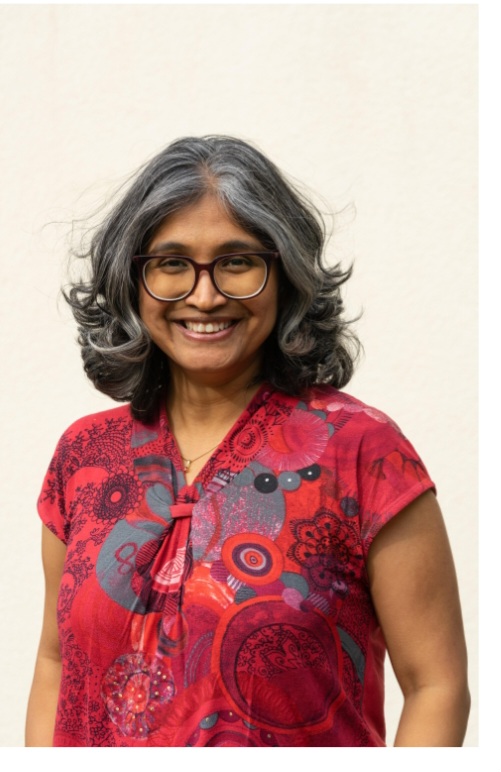

At 26, on a flight home from a work trip in India, physician and scientist Priya Satalkar-Götz had her first hot flush. It was intense enough that, as a doctor, she suspected what it might be. She dismissed the thought because she was far too young.
Over the next few years the flushes came more often, especially at night, and her menstrual cycle became erratic. Several doctors put it down to stress, lifestyle changes or weight loss. She was given oral contraceptives to regulate her cycle, but they did nothing for the night sweats or her disrupted sleep.
The answer came only after she moved to Switzerland for doctoral research. By then she had tracked her symptoms and cycles for years, and blood tests from a new gynaecologist showed that at 33 she was already at the far end of menopause. The appointment moved straight to the clinical consequences, including bone health and fertility. She understood the information but had little room to absorb what it meant for her. That evening, she asked her landlady for a hug. The landlady, who spoke little English, held her while she cried.
Living with the symptoms
Early menopause, Satalkar-Götz says, goes well beyond hot flushes. Her own experience included years of broken sleep, very dry and fragile skin, heightened emotional vulnerability, and moments when she lost her thread mid-sentence. Symptoms vary between women, she stresses, but they are real and deserve to be taken seriously.
Making treatment decisions was hard even for a trained physician. When she reviewed the literature between 2012 and 2015, she found little research on women who reach menopause young. Most studies involved women around the typical age of 51 in Europe.
What helped
Things improved when she found a reproductive endocrinologist who listened and involved her in planning her care. The specialist helped her step out of the role of medical expert, allow herself to be a patient and grieve. She began combined estrogen and progesterone therapy about 18 months after her diagnosis, which brought a significant improvement in her physical and emotional wellbeing.
Support beyond the clinic mattered just as much. Her partner reminded her that her worth did not hinge on having a child. Friends gave her space to grieve and included her in their children’s lives. Her brother educated himself about women’s health so he could support her and other women around him. Peer support, she adds, offers practical tips that rarely fit into a short appointment, and it eases isolation.
Why the gaps persist
Menopause rarely causes a sudden, visible crisis. Its toll tends to build gradually, as poorer health and lower quality of life, and is often written off as ordinary ageing. Satalkar-Götz calls for:
– Long-term research that follows women for years to learn what works, for whom, and with what consequences
– Evidence from diverse populations, including why some groups may face early menopause more often
– Study of positive outcomes, to understand protective factors
– Economic and social analysis of better menopause care, including savings for health systems
The case for a global guideline
An evidence-based guideline shows clinicians that research has been systematically reviewed, graded and turned into recommendations through a rigorous, consultative process. Without one, care can vary widely and leave patients uncertain. A global guideline could set out what strong evidence supports, where recommendations are conditional and where research is urgently needed. Research and guidelines, she says, must develop together, since the guideline process itself exposes the key evidence gaps.
Better evidence would help women prepare for consultations and ask informed questions. It would help clinicians recognise menopause even when it comes early. It could also support workplaces in offering flexibility for appointments, treatment and symptoms that affect sleep and concentration.
Her hope is that future generations will not have to struggle as she did: that care follows standardised protocols across countries, that every woman can choose among safe options, and that families and communities, including the men in their lives, stand alongside them.
Priya Satalkar-Götz leads HRP’s work on research governance, the UN’s Special Programme on Human Reproduction. She is a medical doctor with a background in public health, medical ethics and medical anthropology.