
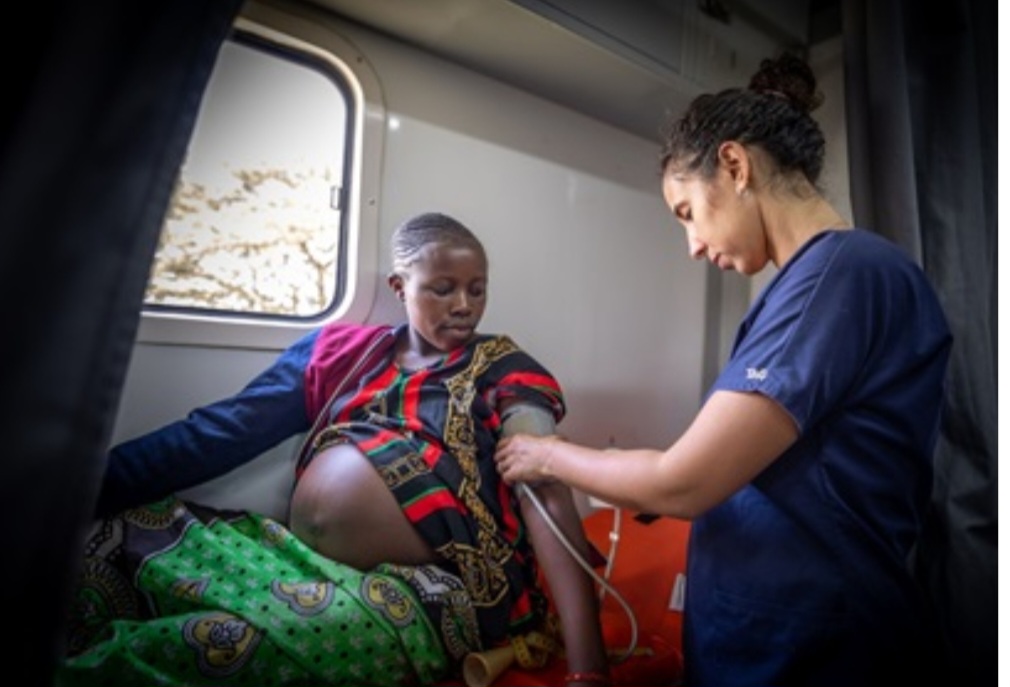
The World Health Organization says hypertensive disorders complicate up to 15 per cent of pregnancies globally, with gaps in antenatal screening, essential medicines and emergency obstetric care putting mothers and newborns at risk.
The World Health Organization (WHO) has launched a new global roadmap to reduce deaths and serious complications linked to high blood pressure during pregnancy, a condition that continues to claim thousands of women’s lives and contribute to hundreds of thousands of stillbirths and newborn deaths annually.
The roadmap, covering 2026 to 2035 and beyond, seeks to accelerate research, improve access to essential medicines and diagnostic services, strengthen clinical care and hold governments and health partners accountable for preventing avoidable maternal and newborn deaths.
According to WHO, hypertensive disorders complicate an estimated 10 to 15 per cent of pregnancies worldwide and account for approximately 16 per cent of maternal deaths, resulting in an estimated 42,000 deaths every year.
The conditions include pre-eclampsia, a pregnancy complication characterised by high blood pressure that can damage vital organs and progress rapidly to life-threatening complications if not detected and treated promptly.
The global health agency warns that many women still lack access to basic blood pressure checks, urine protein tests and essential medicines, while shortages of trained health workers and weak referral systems can delay emergency treatment.
“Pre-eclampsia can develop in any pregnancy,” said Dr Pascale Allotey, Director of WHO’s Department of Sexual, Reproductive, Maternal, Child, Adolescent Health and Ageing.
She noted that whether the condition becomes fatal often depends on whether a woman’s blood pressure is checked in time and whether quality emergency care is available when the condition becomes severe.
The roadmap was launched on October 8, 2026, during the Society for Maternal-Fetal Medicine Global Conference, bringing together research, clinical guidance, medicine access and health system strengthening under a coordinated international strategy.
WHO says a significant challenge remains the limited development of medicines specifically designed and approved to prevent or treat pre-eclampsia and eclampsia. While research investment has largely concentrated on diagnostics, the agency says preventive and treatment options have received insufficient attention.
In May 2026, WHO convened more than 140 partners at a global summit to identify 20 priority research questions intended to guide future investment in predicting, detecting and treating hypertensive disorders during pregnancy.
The agency is calling on governments, researchers, healthcare professionals, development partners, civil society and industry to coordinate their efforts to ensure that existing interventions and future innovations reach the women who need them most.
The challenge is particularly acute in low- and middle-income countries, where limited antenatal care, medicine shortages, inadequate diagnostic equipment and insufficient emergency obstetric services can increase the likelihood of severe complications.
Women living in poverty, humanitarian crises and geographically isolated communities face additional barriers to timely care, highlighting the importance of strengthening health systems beyond the introduction of new medical technologies.
Beyond childbirth, hypertensive disorders can also have lasting consequences. Women who experience these complications face increased risks of chronic hypertension, cardiovascular disease, stroke and kidney disease later in life. Children exposed to the conditions during pregnancy may also face increased risks associated with premature birth and longer-term cardiovascular and metabolic complications.
WHO says the new roadmap aims to close these gaps by aligning scientific research, clinical practice, investment and political action around a shared goal: ensuring that preventable complications do not determine whether a woman survives pregnancy or whether her baby has a healthy start to life.
For countries working to reduce maternal and newborn deaths, the roadmap places renewed emphasis on a fundamental requirement of safe motherhood: identifying complications early and ensuring that women can access appropriate treatment without delay.



