

Africa’s agricultural technology sector is facing growing pressure to move beyond donor-funded pilot projects towards commercially viable digital services that can improve productivity, strengthen smallholder farmers’ incomes and attract long-term investment.
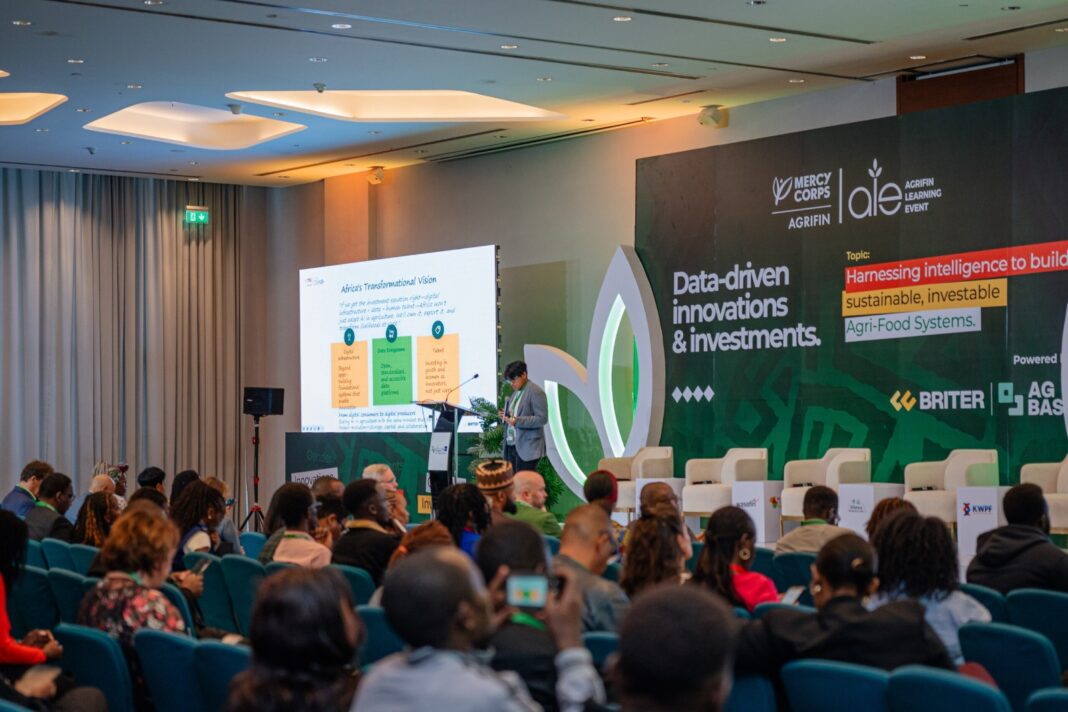
The shift will take centre stage at the 10th AgriFin Learning Event in Nairobi on October 27, where investors, financial institutions, technology companies and development partners will explore how digital finance, artificial intelligence, climate information and agricultural advisory services can be integrated to build sustainable agricultural markets.
Hosted by Prosper Global AgriFin, formerly Mercy Corps AgriFin, the event will run under the theme “Leveraging Evidence for Connected, Scalable and Inclusive Digital Agriculture.”
The discussions come amid mounting pressure on development funding, forcing agricultural technology businesses to demonstrate sustainable revenue models while ensuring that digital services remain affordable and accessible to smallholder farmers.
Since 2012, Prosper Global AgriFin has worked with financial institutions, agricultural technology companies, digital platforms and governments across Africa and Asia to expand access to digital financial and agricultural services. Its programmes and partnerships have reached more than 18 million smallholder farmers.
Under the AgriFin Digital Farmer II programme, 7.6 million farmers were registered, surpassing the initial target of five million. The next challenge is converting that reach into sustained service adoption, measurable improvements in farm productivity and commercially sustainable delivery systems.
Investors seek commercially viable agricultural technology
The search for sustainable financing is becoming increasingly important as agricultural technology companies compete for capital in emerging markets.
The Agtech Investment in Emerging Markets report, commissioned through Mercy Corps AgriFin’s AgBase programme and developed by Briter and ISF Advisors, tracks US$4.39 billion in agricultural technology funding across 17 emerging markets between 2023 and the third quarter of 2025.
The research covers more than 900 deals, 700 funded companies and 900 funders, offering insight into investment patterns and the commercial prospects of agricultural technology businesses.
Its findings indicate that the sector has stabilised following the investment correction after 2022, although the recovery remains uneven across markets.
For Africa, the priority is attracting capital into businesses that can demonstrate clear market demand, reliable revenue streams and tangible benefits for farmers.
The Nairobi meeting will examine how different financing mechanisms can support enterprises at various stages of development, with development funding potentially helping to reduce market barriers, establish evidence of impact and mobilise private investment.
For investors, sustainable business models will be essential to determining which technologies can expand beyond pilot programmes and serve larger farming populations.
Linking farmers to finance, markets and climate information
Beyond investment, integrating agricultural services is emerging as a key strategy for expanding access and improving the delivery of digital solutions.
Smallholder farmers often need several services at once, including affordable credit, quality seeds and fertilisers, access to buyers, agricultural advice, weather forecasts and insurance or other risk-management products.
When these services operate independently, farmers face fragmented information and higher barriers to obtaining the support required to make informed production and investment decisions.
Digital platforms that connect financial institutions, agricultural suppliers, markets and advisory providers could streamline service delivery while enabling businesses to reach more customers.
The event will explore how governments, private companies and development partners can collaborate to establish connected digital ecosystems, including sustainable financing models for weather and climate information.
Reliable climate services are particularly important as unpredictable weather increases agricultural risks and complicates decisions on planting, harvesting and farm investment.
For financial institutions, better agricultural data and climate information could also help improve lending decisions and develop financial products that respond more effectively to farmers’ needs.
Artificial intelligence expands opportunities
Artificial intelligence and agricultural data systems are expected to feature prominently in discussions about the sector’s future.
The programme will include masterclasses on trusted data ecosystems for agricultural finance, sustainable digital payment systems, and digital safety and security. An artificial intelligence showcase, a farmers’ experience centre and a marketplace exhibition featuring more than 15 exhibitors will also highlight emerging solutions.
AI-enabled tools could help farmers access tailored agricultural advice, interpret weather information and connect with relevant financial and commercial services. For lenders and technology providers, better data analysis could support risk assessment, service personalisation and operational efficiency.
However, the commercial value of these technologies will depend on responsible data management, cybersecurity, accessibility and their ability to solve practical farming challenges.
Digital services must also account for the realities facing smallholder farmers, including connectivity limitations, affordability constraints and varying levels of digital literacy.
The challenge for technology providers is therefore not simply to introduce new tools, but to develop solutions that farmers can use consistently and that businesses can sustain financially.
Building sustainable digital agriculture markets
As African governments seek to strengthen food security, agricultural productivity and rural livelihoods, the transition from donor-supported pilots to sustainable digital markets could reshape how farmers access finance, information and commercial opportunities.
Achieving that transition will require stronger partnerships between investors, financial institutions, governments, technology companies and agricultural organisations.
The 10th AgriFin Learning Event will provide a platform for stakeholders to assess lessons from a decade of digital agriculture initiatives and identify the financing strategies, partnerships and evidence needed to support the sector’s next phase of growth.
The broader test will be whether digital agriculture can combine commercial sustainability with measurable improvements in farmers’ incomes, resilience and access to markets.



