

A new World Health Organization (WHO) report has exposed significant weaknesses in Africa’s health information systems, warning that inadequate death registration, poor data quality and limited analytical capacity could undermine efforts to improve healthcare delivery and prevent avoidable deaths across the continent.
The findings, based on an assessment of 40 countries in the WHO African Region, highlight gaps in how governments collect, analyse and use health information to identify emerging health threats, monitor disease patterns and allocate resources to communities most in need.
The report warns that without reliable health data, governments risk delaying lifesaving interventions, overlooking preventable health risks and failing to identify populations with limited access to essential healthcare services.
One of the most concerning findings relates to death registration and the documentation of causes of death. Only 19 of the 40 countries assessed reported notifying authorities of at least 80 per cent of deaths, while just 21 recorded the causes of death for at least 80 per cent of registered deaths.
The gaps make it difficult for health authorities to establish why people are dying, identify recurring causes of preventable mortality and develop targeted interventions to address weaknesses in healthcare delivery.
The report, titled The Maturity and Functionality of Health Information Systems in the WHO African Region, also identifies significant weaknesses in data analysis and quality assurance at healthcare facilities.
Only 43 per cent of countries reported having sufficient capacity to analyse health data at facility level, while just 25 per cent had adequate capacity to assess the quality of the information collected.
This means health managers in many countries may struggle to identify service delivery gaps, monitor emerging health threats and determine where additional healthcare workers, medical equipment and financial resources are required.
“When we do not know why people are dying, which children are missing essential services or where communities face the greatest health risks, we may overlook the very people who need our attention most,” said Dr Mohamed Janabi, WHO Regional Director for Africa.
He noted that although countries had made progress in collecting health information, greater investment in skilled professionals, stronger systems and improved coordination was necessary to translate data into effective healthcare decisions.
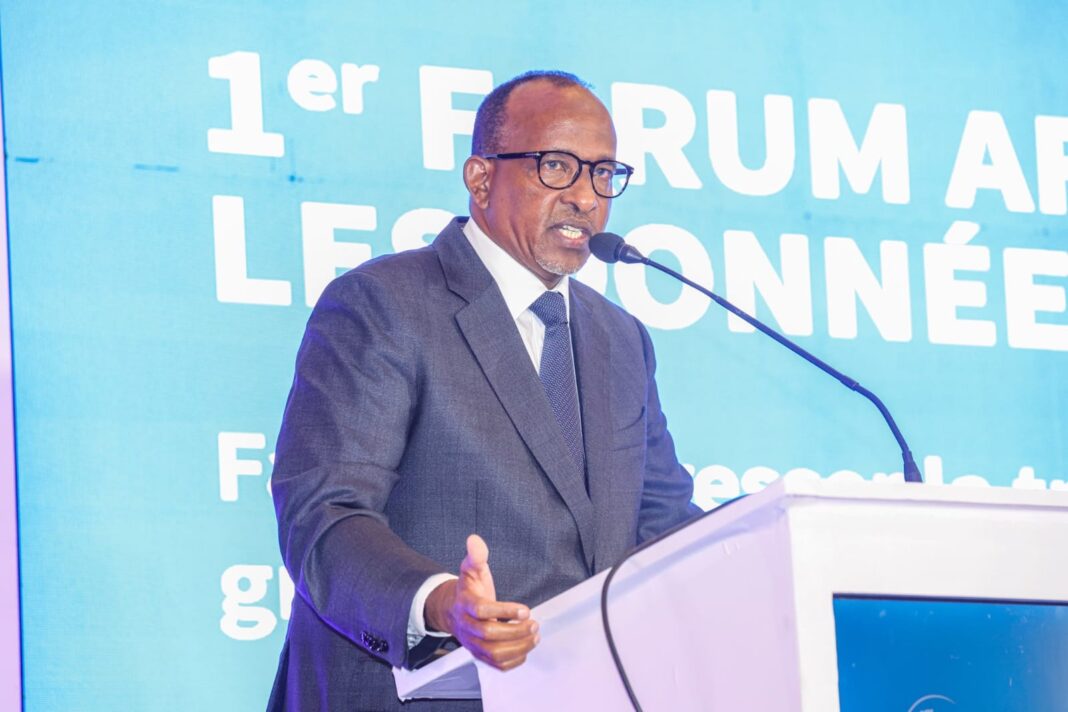
The report was launched on Tuesday during the opening of the First Africa Health Data Forum, taking place from November 10 to 12, 2026, in Nairobi, Kenya.
The forum brings together health ministers, senior government officials, WHO representatives and development partners to examine the findings and identify practical solutions for strengthening health information systems across the continent.
Conducted in 2024 across 40 of the WHO African Region’s 47 Member States, the assessment gave the region an overall health information system maturity score of 59 out of 100.
Individual country scores ranged from 26 to 93, reflecting significant differences in national capacity and progress towards establishing reliable systems for collecting and using health information.
Financing and governance emerged as major obstacles. Only 18 per cent of the countries assessed had a dedicated budget allocation for health information systems, while 35 per cent had an updated national policy guiding their development.
Despite these shortcomings, digital health reporting has expanded considerably, with 43 of the region’s 47 Member States adopting digital platforms for routine health information collection and reporting.
However, only 20 per cent of assessed countries had implemented digital patient medical records, while fewer than half had established frameworks allowing different health information systems to exchange data.
The lack of interoperability means information collected by hospitals, laboratories and other healthcare providers can remain fragmented, limiting the ability of governments to develop comprehensive national health profiles.
Country experiences demonstrate the potential benefits of stronger systems. In Zimbabwe, delays associated with paper-based maternal and perinatal death reporting previously meant that critical information could take weeks or months to reach decision-makers.
In Nigeria’s Bauchi State, authorities used vaccination data and community-level information to identify children missing routine immunisation and target underserved populations.
WHO is also supporting regional efforts through its Regional Health Data Hub, launched in August 2026, which seeks to integrate information from different health programmes and improve access to comparable health data.
The Nairobi forum is expected to explore how digital health technologies, artificial intelligence and coordinated investment can address existing weaknesses.
For African governments, strengthening health information systems will be critical to improving disease surveillance, expanding access to healthcare, reducing preventable deaths and ensuring that limited health resources reach the communities where they are needed most.



