
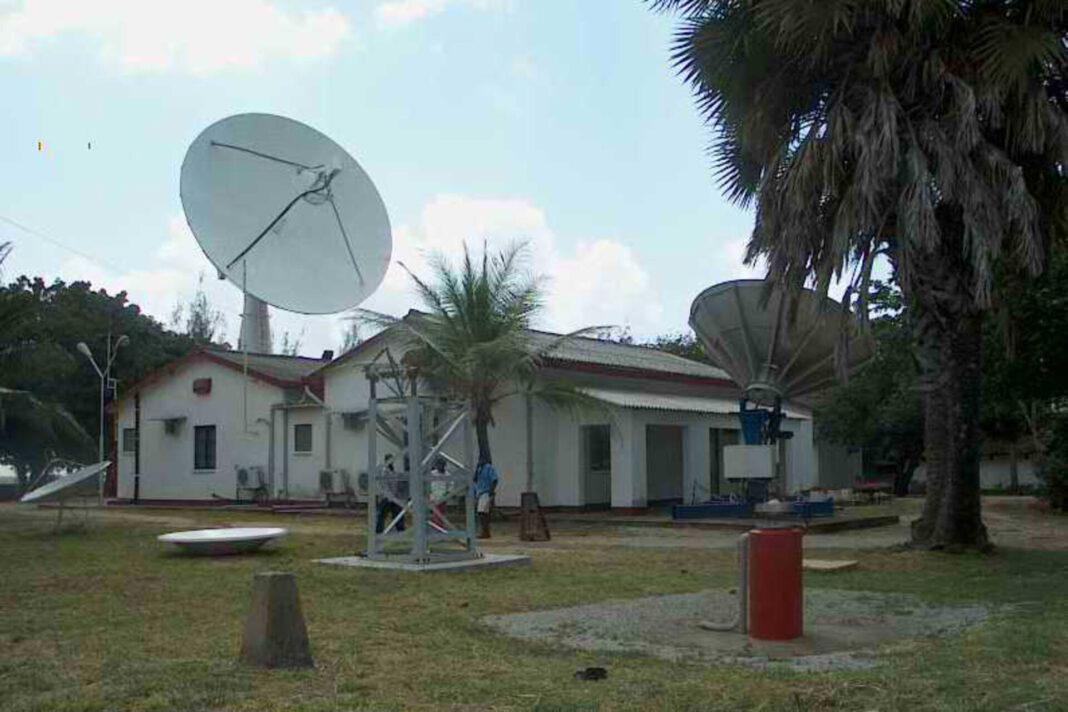

Kenya is hosting representatives from 16 African countries for a regional initiative aimed at strengthening the continent’s space technology capabilities, developing regulatory frameworks and expanding Africa’s participation in the rapidly growing global space industry.
The four-day Regional Space Law Technical Advisory Mission for Africa, which opened on Tuesday, November 10, at the Luigi Broglio Malindi Space Centre (LBMSC), brings together government officials, space experts and representatives of African space institutions to address the legal and institutional challenges accompanying the expansion of space activities across the continent.
The programme, running until November 13, is organised by the United Nations Office for Outer Space Affairs (UNOOSA) in collaboration with the Italian Space Agency (ASI) and the Kenya Space Agency (KSA).
Principal Secretary for Defence Dr Patrick Mariru officially opened the meeting, emphasising that effective space governance is essential to protecting national infrastructure, strengthening security and enabling African countries to benefit from emerging opportunities in satellite technology and space exploration.
“A robust legal framework is also a key pillar of national security. It provides safeguards for our space assets, helps prevent harmful interference, strengthens confidence and cooperation among States, and contributes to ensuring that outer space remains a domain for peaceful use, in accordance with international law and principles for long-term sustainability,” Mariru said.
Africa seeks a bigger role in the global space economy
The Malindi meeting comes as African countries increasingly recognise space technology as an important driver of economic transformation, scientific research, national security and sustainable development.
Satellite technology is becoming increasingly relevant to several sectors, including agriculture, telecommunications, transport, environmental monitoring, climate forecasting and disaster management.
Through satellite-based services, governments can improve agricultural productivity by monitoring crop conditions, assess the effects of climate change, track natural disasters and strengthen the management of natural resources.
The expansion of these applications is creating opportunities for African countries to develop domestic expertise, attract investment and build technology industries around satellite manufacturing, data processing, communications and geospatial services.
However, the continent’s growing involvement in the space sector also requires stronger institutions and regulatory systems to oversee satellite launches, licensing, operations and the management of space-related activities.
For many African countries, developing national space legislation is therefore becoming an important step towards building sustainable space programmes and creating an enabling environment for private-sector participation.
The frameworks will also help governments implement international space treaties, protect national interests and establish clear responsibilities for public institutions and commercial operators.
Building Africa’s space governance capacity
Ambassador Vincenzo del Monaco of Italy to Kenya and Kenya Space Agency Director General Major General Hillary Kipkosgey highlighted the importance of international partnerships and regional cooperation in strengthening Africa’s space sector.
A coordinated approach would enable African countries to share technical expertise, strengthen institutional capacity and develop common positions on international space governance.
The collaboration is particularly important as the number of countries and private companies investing in satellite systems and other space-related technologies continues to grow.
For African economies, stronger regulatory institutions could also improve investor confidence by providing predictable rules for businesses seeking to establish satellite services, develop space applications or invest in related infrastructure.
The four-day mission will therefore focus on helping participating countries translate international space law obligations into practical national policies and regulatory frameworks.
Strengthening national space programmes
Participants will engage in expert-led presentations, interactive discussions and practical tabletop exercises covering the development and implementation of national space legislation.
The programme will examine how governments can establish appropriate regulatory institutions, strengthen coordination among agencies responsible for space activities and develop policies that support the responsible growth of their national space sectors.
The practical sessions will also allow participants to assess regulatory challenges facing their respective countries and identify approaches to addressing gaps in existing legal and institutional frameworks.
The initiative is expected to benefit countries at different stages of space-sector development, including those establishing national space programmes and those seeking to modernise existing legislation.
By improving their understanding of international space law, African governments will be better positioned to protect their satellite infrastructure, regulate emerging commercial activities and participate in negotiations shaping the future of global space governance.
Kenya’s growing space technology ambitions
Kenya’s hosting of the mission at Malindi highlights its growing role in Africa’s space technology development and its longstanding partnership with Italy in satellite research and operations.
The Luigi Broglio Space Centre, established through Kenya-Italy cooperation, is an important facility for satellite tracking, telemetry and communications. Its operations have contributed to international space activities while providing Kenya with a platform for developing technical expertise.
The Kenya Space Agency has also been advancing the country’s space ambitions through partnerships aimed at strengthening satellite technology, research and the use of space-derived information in national development.
Applications of satellite data in agriculture, environmental monitoring, climate research and disaster management are among the areas offering opportunities to translate space technology investments into practical economic and social benefits.
The November mission was announced in June 2026, when UNOOSA and the Italian Space Agency outlined their partnership to support African countries in developing national space legislation and regulatory systems.
The programme forms part of UNOOSA’s Global Space Law Project, which assists countries in strengthening their capacity to participate in the governance and peaceful use of outer space.
Beyond legal cooperation, the Malindi initiative reflects a broader shift in Africa’s approach to space technology, from relying primarily on international satellite services towards building stronger domestic capabilities, regional partnerships and institutional frameworks.
As African economies increasingly depend on satellite-based services and digital infrastructure, developing the expertise and regulations to manage space activities will be critical to ensuring that the continent becomes not only a consumer of space technology but also a more active participant in the global space economy.



