Ebola survivors in the Democratic Republic of the Congo (DRC) are receiving continued medical and psychological care after leaving treatment centres, as health authorities strengthen efforts to prevent renewed transmission and address the long-term effects of the disease.
The World Health Organization (WHqO) said survivor clinics established in Bunia and Beni are providing follow-up services to people declared cured, highlighting the need to extend Ebola care beyond the point when patients test negative and leave treatment facilities.
In a feature published on October 27, 2026, WHO reported that more than 2,700 people had been declared cured since the beginning of the outbreak and required post-recovery medical follow-up.
The first survivor clinic, established in Bunia, the capital of Ituri Province and the outbreak’s epicentre, began operating on September 19, 2026, and had provided care to more than 400 survivors. A second clinic opened in Beni, North Kivu Province, receiving survivors from October 17.
The clinics were established by the Ministry of Health in collaboration with WHO, with support from the United Nations Central Emergency Fund and the United Kingdom government.
Beyond routine medical examinations, the facilities are addressing complications that can persist after recovery, including joint pain, chronic fatigue, memory difficulties, stress and irritability.
“We cannot have a successful response without a survivor clinic,” said Dr Huguette Mbuyi Musadi, a member of the Ministry of Health’s survivor identification and follow-up pillar.
She said survivors undergo comprehensive examinations to identify Ebola-related aftereffects and other conditions, including diabetes and hypertension.
For survivors, the consequences can extend beyond physical illness, affecting their mental wellbeing, relationships and ability to reintegrate into their communities.
Ganisikalé, an Ebola survivor receiving follow-up care, described persistent memory difficulties and psychological distress.
“As a survivor, I can say that forgetfulness is common,” Ganisikalé said, adding that stress and irritability were also among the challenges survivors experienced.
The clinics provide consultations in general medicine, psychology and nutrition, alongside laboratory testing and medication. Each visit takes an average of two hours.
According to Dr Roland Kasamaga, coordinator of the Bunia Survivor Clinic, continued care is necessary because complications can affect survivors long after they have been discharged from treatment centres.
“Without these clinics, the consequences could be severe,” he said, stressing the importance of restoring survivors’ health and wellbeing over the long term.
Mental health and stigma remain part of recovery
The establishment of survivor clinics also addresses the social and psychological challenges that can follow an Ebola infection.
Survivors may face stigma in their communities, making it difficult to discuss their experiences or seek help at ordinary health facilities.
The clinics offer a setting where survivors can speak openly about their concerns and receive professional support without fear of judgement.
Ganisikalé said the environment had made it easier to discuss personal challenges associated with surviving the disease.
“When you go to another hospital, you feel ashamed to say that you are an Ebola survivor. Here, we are free to talk about anything and everything,” Ganisikalé said.
The clinics’ approach recognises that recovery involves more than treating the infection. Psychological support and social reintegration are also important in helping survivors resume their daily lives.
Surveillance remains critical after recovery
Follow-up care also serves a public health function, as the Ebola virus can persist in certain bodily fluids, including semen, for months after clinical recovery.
WHO said biological surveillance is therefore an important component of the clinics’ work, helping health workers monitor survivors and reduce the risk of renewed transmission.
At the facilities, survivors receive laboratory tests and guidance on preventive measures. Health workers also provide condoms and counselling on safer sexual practices to reduce potential transmission risks to partners.
Dr Brys Busanga, WHO focal person for survivor follow-up, said the clinics had two central objectives: preventing renewed transmission linked to recovered patients and addressing the physical, psychological and nutritional conditions they may experience.
“Without survivor follow-up, the response is incomplete,” Busanga said.
The services complement the immediate treatment provided at Ebola treatment centres by extending monitoring and care into the recovery period.
Community engagement improves follow-up attendance
Reaching survivors and encouraging them to return for regular consultations remains central to the programme.
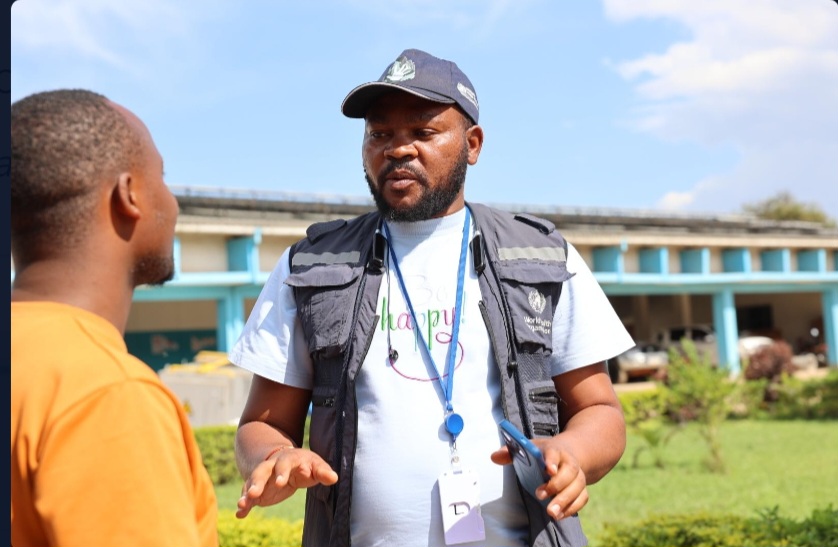
Aimée, an Ebola survivor who now works as a community mobilizer, helps health workers contact survivors and encourage them to attend follow-up appointments.
She said survivors are informed about clinic services and told that their transport costs will be reimbursed.
The strategy is yielding results, with more than 90 per cent of contacted survivors attending their follow-up appointments, according to WHO.
Christian Buna, another survivor, returned to the clinic two days after being contacted by Aimée.
Although health workers found his condition satisfactory, he was advised to continue attending follow-up consultations.
“I was listened to and reassured. I am truly satisfied with the work of the health workers,” Buna said.
He has since committed himself to encouraging other survivors to seek regular medical reviews, highlighting how recovered patients can contribute to the broader response.
Completing the Ebola response
The experience in Bunia and Beni highlights the importance of integrating long-term medical monitoring, mental health support and community engagement into Ebola response programmes.
While treatment centres focus on managing the acute infection, survivor clinics address the needs that remain after patients are declared cured.
The model also places survivors at the centre of public health efforts, enabling them to share their experiences, support others and help build trust in health services.
For WHO and the DRC Ministry of Health, continued follow-up is essential not only for individual recovery but also for broader disease surveillance and community protection.
The clinics demonstrate that declaring a patient cured is an important milestone, but not necessarily the end of their care. Sustained support can help survivors manage lasting complications, overcome stigma and rebuild their lives while contributing to efforts to prevent further Ebola transmission.
Publication note: The story is based on the WHO African Region feature supplied.