
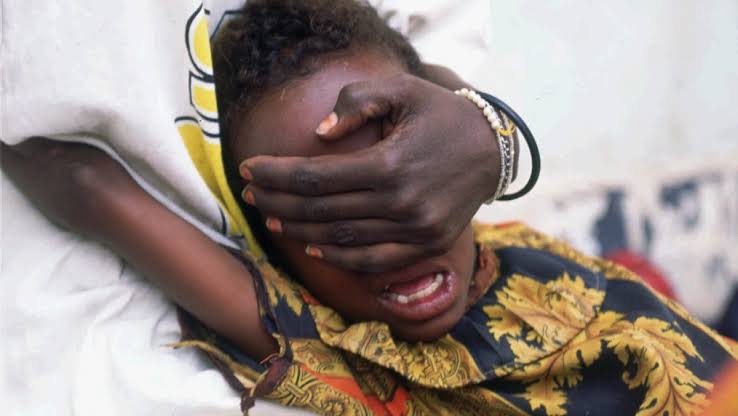

Kenya must strengthen efforts to end female genital mutilation (FGM), with campaigners warning that thousands of girls and women remain at risk despite years of legislation, awareness campaigns and government interventions.
The call for renewed action took centre stage at a major anti-FGM gathering held at the Kenyatta International Convention Centre (KICC) in Nairobi, where survivors, government officials, county leaders and civil society organizations came together to confront a practice that continues to deny girls their health, dignity and rights.
The event, organised by the Ifrah Foundation, brought together about 3,000 participants, the majority of them women, and provided a powerful platform for survivors of FGM to share the lifelong consequences of the practice.
Girls and women who have undergone FGM spoke of the physical and emotional pain they have carried for years, highlighting the urgent need to ensure that no other generation of girls is subjected to the harmful practice.
Their testimonies served as a reminder that ending FGM is not simply about changing laws or holding public campaigns. It requires changing attitudes, confronting deeply rooted social norms and ensuring that communities are empowered to protect girls.
Ifrah Ahmed, founder of the Ifrah Foundation, said FGM remains widespread in parts of the Horn of Africa, noting that Somalia continues to record extremely high prevalence rates.
She called for stronger and sustained action to protect girls and end the practice, saying governments, communities, religious leaders and international partners must work together to confront FGM.
The situation in neighbouring countries also makes Kenya’s fight against FGM particularly important. Communities living along borders often share cultural and family ties, making cross-border cooperation essential in preventing girls from being taken across national boundaries to undergo the procedure.
The First Ladies of Wajir and Marsabit counties also called for intensified action, saying the fight against FGM must reach communities where the practice remains deeply embedded in cultural traditions.
Their message underscored the important role of county governments, community leaders, women leaders and grassroots organisations in protecting girls.
While Kenya has made significant progress through legislation and public awareness campaigns, the persistence of FGM in some communities shows that laws alone are not enough.
The country must invest more in community-led solutions that involve parents, elders, religious leaders, young people and survivors. Efforts to end FGM must also address the social pressure that forces families to continue the practice for fear that their daughters will be rejected or considered unsuitable for marriage.
Survivors must also be placed at the centre of the campaign. Their experiences provide some of the strongest evidence of the physical and psychological consequences of FGM and can help communities understand that the practice is not a harmless cultural tradition but a violation that can have lifelong consequences.
There is also a need for greater investment in organisations working directly with vulnerable communities.
The First Ladies of Wajir and Marsabit called on the international community to increase support for organisations leading anti-FGM campaigns, including the Ifrah Foundation.
The foundation has been working since 2017 to prevent FGM and raise awareness about its consequences in Somalia, Kenya and Ireland.
However, ending FGM requires more than short-term projects. It demands sustained funding, stronger enforcement of existing laws, protection and support for girls at risk, and education programmes that offer communities alternative ways of preserving cultural identity without harming children.
The gathering at KICC sent a clear message: Kenya cannot afford to slow down in the fight against FGM.
Every girl deserves the right to grow up free from violence and harmful practices. Ending FGM must therefore remain a national priority, supported by government action, community leadership and international partnerships.
The voices of survivors at the Nairobi event made one thing clear — the time has come to move beyond promises and ensure that future generations of Kenyan girls never have to experience the pain and trauma of FGM.



