

East Africa is positioning tourism as a regional economic growth engine, with the East African Community (EAC) adopting a 10-year marketing strategy and turning to the 2027 Africa Cup of Nations (AFCON) to attract international visitors, unlock investment and expand cross-border travel.
The strategy, covering 2027–2036, seeks to market the region as a single, competitive destination under the brand “Visit East Africa: Feel the Vibe.” It will combine digital marketing, strategic partnerships and multi-country tourism packages to showcase the region’s natural attractions, wildlife and cultural heritage.
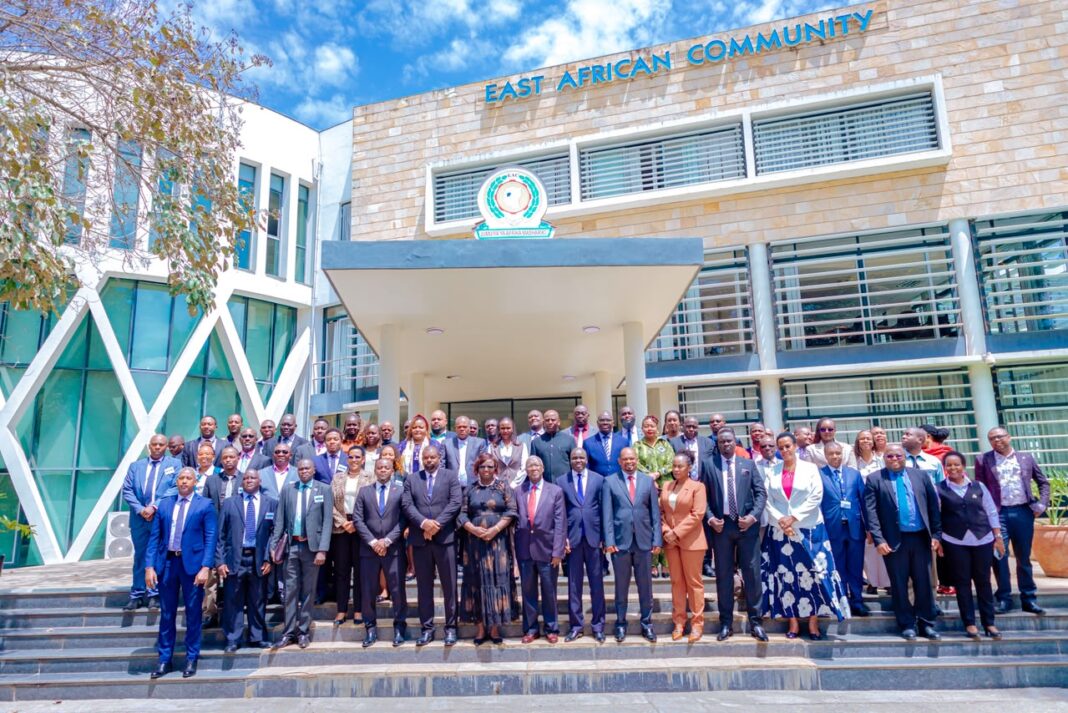
The decisions were adopted during the 13th Meeting of the Sectoral Council on Tourism and Wildlife Management, held at the EAC headquarters in Arusha, Tanzania, on October 15, 2026.
For the regional tourism industry, the plan offers an opportunity to move beyond country-by-country promotion towards integrated travel experiences that encourage visitors to explore several East African destinations during one trip. Such packages could expand business for hotels, tour operators, airlines, transport providers and cultural enterprises across the bloc.
AFCON 2027 offers tourism investment opportunity
Ministers have committed to leverage AFCON 2027 to showcase East Africa to a global audience, attract more visitors and distribute tourism opportunities beyond the three host countries to the wider Community.
The tournament presents an opportunity to connect sports tourism with wildlife safaris, cultural experiences, coastal holidays and heritage attractions, potentially encouraging football fans to extend their stays and travel across borders.
However, converting international attention into lasting economic benefits will depend on the region’s readiness to accommodate visitors, facilitate movement and deliver consistent service standards.
EAC Deputy Secretary General responsible for Infrastructure, Productive, Social and Political Sectors, Andrea Aguer Ariik Malueth, urged Partner States to accelerate the classification of tourism establishments ahead of the tournament.
“The world will judge East Africa by the quality of the rooms, the meals and the service that our visitors receive,” he said, calling for faster implementation of tourism quality standards and progress towards a regional Single Tourist Visa.
The Sectoral Council adopted common designs for tourism classification plaques and certificates, directed that classified establishments be published in the EAC Gazette and adopted examination results for newly trained assessors from Kenya and Tanzania.
These measures are intended to strengthen confidence in accommodation standards and service delivery as the region prepares for increased visitor traffic.
Single Tourist Visa and cross-border travel
Reducing barriers to cross-border movement remains central to the EAC’s ambitions.
The ministers directed the Secretariat to circulate an updated study on the Single Tourist Visa by October 20, 2026, with Partner States expected to submit comments by November 30.
A more integrated visa framework could make it easier for eligible international visitors to combine destinations in different Partner States, supporting longer itineraries and a broader distribution of tourism spending.
The Council also prioritised harmonising tourism grading standards, improving regional tourism statistics through the EAC Tourism Barometer and strengthening joint marketing.
These initiatives could help governments and private investors identify market opportunities, measure visitor trends and plan infrastructure around evidence rather than fragmented national data.
Regional tourism expo to support the campaign
Uganda has offered to host the fourth EAC Regional Tourism Expo alongside the Pearl of Africa Tourism Expo in May 2027.
The combined event will incorporate AFCON promotional activities and multi-country tourism packages, giving tourism businesses a platform to market regional experiences to international buyers and visitors.
The ministers also called for stronger private-sector participation, bankable regional tourism projects, resource mobilisation and effective monitoring of the strategy’s implementation.
Beyond marketing, the Council directed the Secretariat to coordinate a memorandum of understanding among Kenya, South Sudan and Uganda for the Kidepo–Karamoja–Turkana Transboundary Conservation Area, reinforcing cooperation around shared ecosystems.
The initiative highlights the link between tourism growth and conservation, particularly where wildlife landscapes and natural attractions cross national borders.
Execution will determine economic returns
The 10-year strategy signals a shift towards treating East African tourism as a shared economic asset rather than a collection of separate national destinations.
Yet the success of the plan will depend on how quickly governments implement visa facilitation, harmonise standards, improve visitor services and mobilise private investment.
AFCON 2027 provides an immediate opportunity to test this regional approach. If the tournament generates coordinated travel packages and encourages visitors to explore destinations beyond the stadiums, the benefits could extend to small tourism enterprises and communities across the region.
The longer-term challenge will be to sustain that international interest after the final whistle, turning a major sporting event into lasting investment, employment and tourism growth across East Africa.