

By Abdirizak Maalim Mohamed
For thousands of refugees who have spent years — and in some cases decades — rebuilding their lives in Kenya’s refugee camps, an emptying food basket is becoming a symbol of a growing humanitarian crisis.
As international funding for refugee programmes declines, families in Dadaab are being forced to make painful choices that no parent should have to make: skip meals so their children can eat, sell household belongings to buy food, borrow money or search desperately for alternative sources of income.
The message emerging from the crisis is clear: humanitarian assistance is not simply a lifeline for refugees. When that support is reduced, the consequences extend beyond individual households, threatening children’s health and education while weakening the fragile economies that sustain entire refugee and host communities.
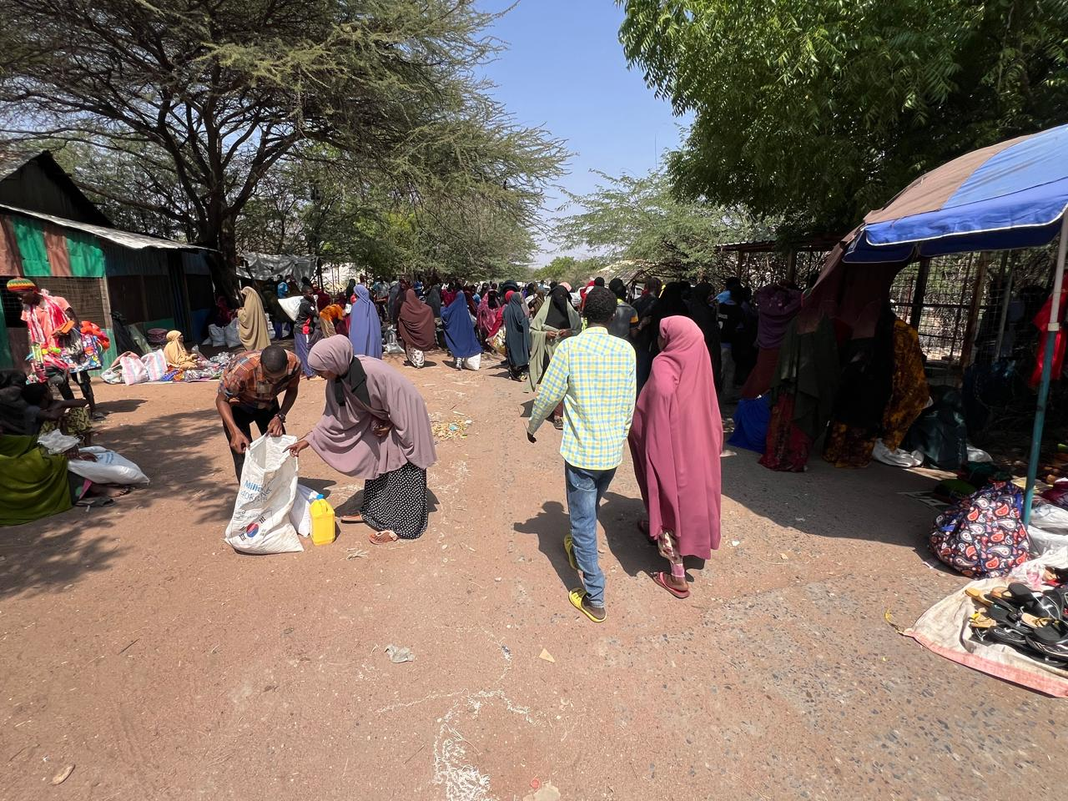
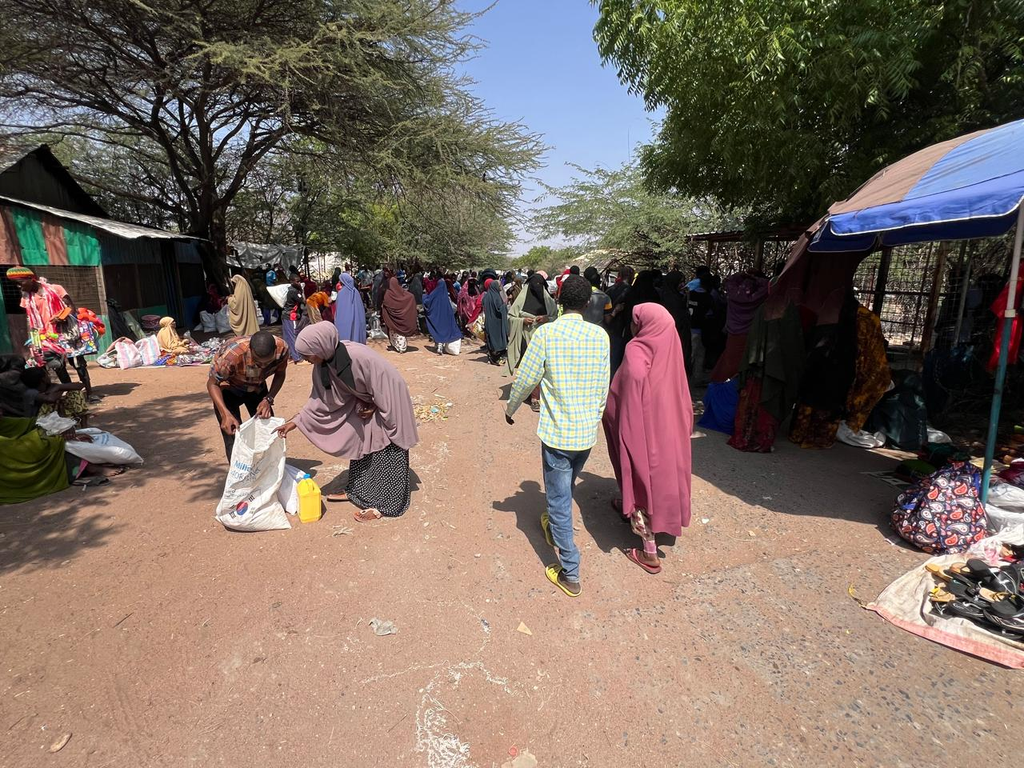
In Dadaab, northeastern Kenya, the effects are increasingly visible in homes and marketplaces. Parents are cutting back on their own meals to protect their children from hunger, while families with little or no stable income struggle to stretch the limited resources available to them.
For many refugees, who have lived in displacement for decades, the current situation represents another painful chapter in a life already marked by uncertainty and hardship.
Families Facing Impossible Choices
The reduction in food assistance has forced families to make difficult decisions about their survival.
Some parents have stopped eating breakfast, while others have significantly reduced their portions to ensure their children have something on the table. For households without regular employment, the pressure is even greater.
Many refugees survive through a combination of humanitarian support, casual work and small businesses. But as assistance declines and families’ purchasing power weakens, even these limited sources of income are coming under pressure.
Small shops, food stalls, tailoring businesses and other informal enterprises are losing customers as refugees are forced to focus what little money they have on the most essential items.
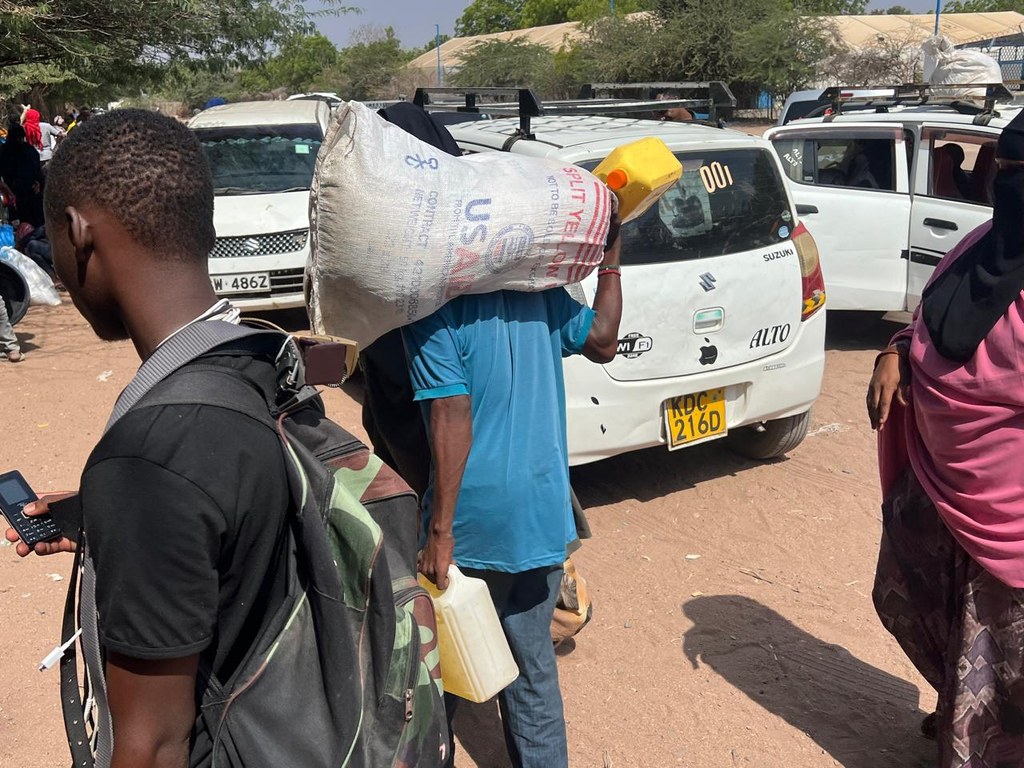
This reveals an often-overlooked reality of humanitarian assistance: the money and support received by refugees also circulate through local economies. When assistance is cut, the impact is felt far beyond the homes of those receiving aid.
Hunger Is Also a Health Crisis
The growing food insecurity is particularly worrying for children, pregnant women, older persons and people living with disabilities.
Medical teams at MSF Dagahaley and other health facilities continue to provide vital healthcare to refugees and vulnerable communities. However, healthcare alone cannot protect families from the consequences of inadequate nutrition.
When children do not receive enough nutritious food, they become more vulnerable to illness and malnutrition. The effects can also be long-lasting, affecting their growth, development and ability to learn.
Food insecurity can also place children’s education at risk. Families struggling to survive may be forced to prioritise immediate needs over school attendance, potentially creating a cycle of poverty and vulnerability that continues long after the immediate crisis has passed.
This is why the decline in food assistance should not be viewed only as a humanitarian funding problem. It is also a threat to children’s health, education and future opportunities.
A Crisis That Reaches Beyond the Refugee Household
Dadaab’s economy has, for years, depended partly on the circulation of humanitarian assistance. Refugees use the support they receive to buy food, clothing, transport and other essential services.
When that assistance declines, shopkeepers lose customers, food vendors make fewer sales and transport operators carry fewer passengers. Small businesses that depend on daily trade are left struggling alongside the refugee families they serve.
Dadaab’s markets may remain busy, but the reality behind the activity is changing. Families are increasingly buying smaller quantities and carrying home only what they can afford.
The crisis, therefore, is not confined to an empty food basket. It is slowly spreading through the wider economic system that supports both refugees and surrounding communities.
A Warning That Should Not Be Ignored
The situation in Dadaab reflects a broader global humanitarian funding challenge, with declining contributions forcing aid agencies to reduce or prioritise assistance.
But for refugees with limited access to formal employment and few alternative sources of income, even small reductions can have immediate and devastating consequences.
Families may sell their belongings, accumulate debt, reduce meals or withdraw children from school. These coping mechanisms may help households survive today, but they can deepen poverty and vulnerability tomorrow.
For people who have already spent decades living in displacement, the current funding crisis raises a fundamental question: how long can communities be expected to survive on shrinking support without creating a far more serious humanitarian emergency?
The message from Dadaab is urgent. Protecting refugees from hunger is not simply about providing the next meal. It is about protecting children from malnutrition, keeping them in school, preserving dignity and preventing the collapse of the fragile local economies on which thousands of people depend.
In Dadaab, the emptying food basket is becoming more than a household concern. It is a warning that the world cannot afford to ignore.
Article by Abdirizak Maalim Mohamed



