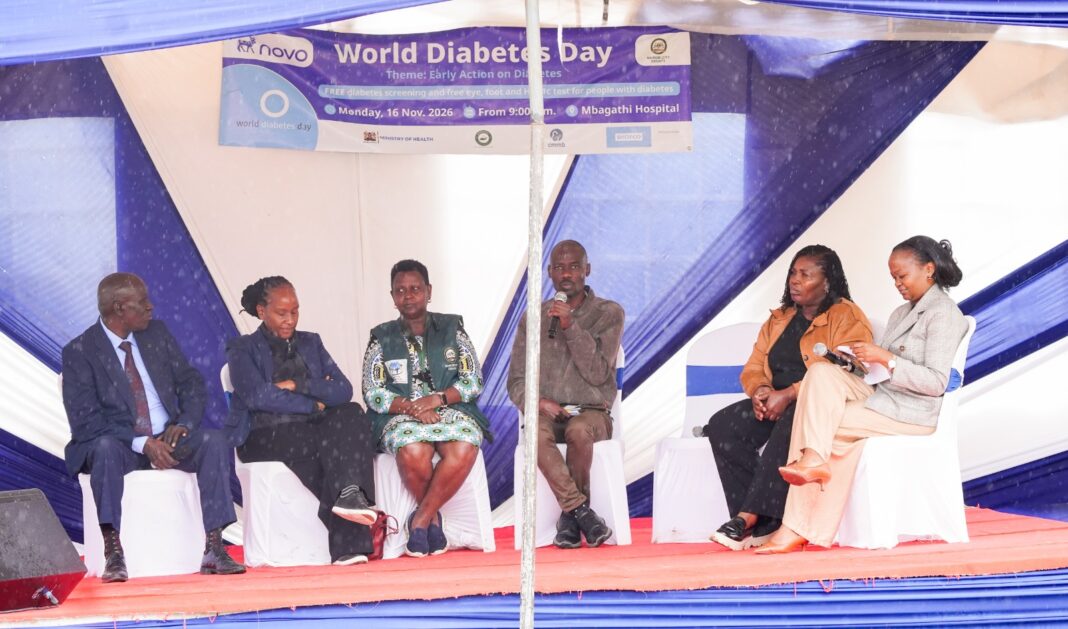

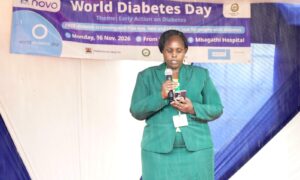
- Panel discussion during World Diabetes Day held in Nairobi, Kenya. Photo: Lily Ronoh. Source: Original.
NAIROBI, Kenya – On Monday, November 16, 2026, Mbagathi County Referral Hospital provided free diabetes screening and other health services to community members as Nairobi City County, Mbagathi Hospital, and Novo commemorated World Diabetes Day with a call for early diagnosis and ongoing access to care.
The services offered on that day were anticipated to benefit up to 400 members of the community. Under the theme “Early Action on Diabetes,” the Novo-sponsored event brought together medical professionals, government officials, diabetes advocates, individuals with diabetes, and members of the community.
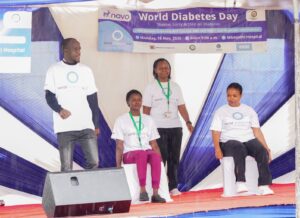
Free services included diabetes and hypertension screening, eye and foot checks, HbA1c testing, HIV testing and TB screening. Activities included a physiotherapist-led physical activity demonstration, nutrition education and a panel discussion on prevention, diagnosis and management.
Screening services continued throughout the day, giving community members an opportunity to check their health and receive information on the next steps if further assessment was needed.
The event also highlighted the expansion of Mbagathi’s diabetes clinic from two days a week to five. The clinic operates through the hospital’s Centre for Driving Change in Diabetes, established with support from Novo through its iCARE programme, and attends to approximately 250 to 300 patients each month.
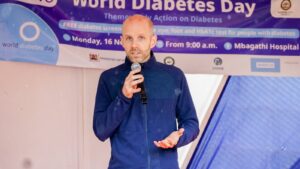
“More than 800,000 people in Kenya are living with diabetes, and more than half of them do not know it because they have not been diagnosed,” said Jakob Mollerup, General Manager, Novo, Middle Africa.
Why people should be reached earlier
“Early action speaks directly to the need for early diagnosis, early treatment and good-quality care. It is important that people are reached earlier, that they understand their condition and that they can access the support they need to manage it.”
Mollerup said strengthening diabetes care requires more than awareness campaigns, pointing to the need for trained healthcare professionals, accessible services and partnerships that support patients throughout their care journey.
Through its iCARE programme, Novo has established more than 92 Centres for Driving Change across Kenya, including the centre at Mbagathi. The programme has also supported the training of more than 3,500 healthcare professionals and helped more than 6,100 people with diabetes access affordable insulin.
“None of this would have been achieved by Novo alone,” Mollerup said. “It requires collaboration between county governments, the Ministry of Health, healthcare facilities, professional associations and communities.
Each has a role to play in making sure that people are diagnosed early and can continue receiving appropriate care.” Dr Erica Koima, Medical Superintendent at Mbagathi Hospital, speaking on behalf of CEO Dr Alexander Irungu, said the dedicated diabetes clinic had significantly improved the availability of services at the facility.
Expanded clinic hours
Diabetes services previously ran through a mixed clinic for only two days a week; they are now available from Monday to Friday. The clinic accepts walk-in patients without appointments and provides insulin support for eligible patients with Type 1 diabetes who are under 25.
“Behind every patient attended to is a life being supported, a family being given hope and a complication potentially being prevented,” Dr Koima said.
The expanded clinic hours are intended to make it easier for patients to access care and receive support without having to wait for the limited clinic days previously available.
Dr Moses Owino, County Director of Medical Services, said collaboration between county government, health facilities and partners was important in strengthening early diagnosis and access to quality treatment.
He emphasised that efforts must continue beyond World Diabetes Day through regular screening, healthier lifestyles and continuous, patient-centred care.
“Action must continue beyond a single event. We must encourage regular screening, promote healthier lifestyles and ensure patients receive continuous, patient-centred care,” Dr Owino said.
A diagnosis is not the end of the journey
People living with diabetes also shared their experiences to encourage others to seek screening and remain engaged in care. Eric Omondi, who has lived with Type 1 diabetes for 23 years, said a diagnosis should not be seen as the end of the journey.
“With the right information, treatment and support, people living with diabetes can lead fulfilling and productive lives,” he said. Fred Momanyi, who has lived with Type 2 diabetes for 13 years, urged people to know their status through regular screening.
He noted that many people live with diabetes without knowing it, potentially missing the opportunity to receive early support and reduce the risk of complications.
Dr Florence Keli of the Kenya Diabetes Study Group said awareness and timely action remained essential.
She encouraged people, particularly as they grow older, to have their blood sugar checked and advised those diagnosed with diabetes not to stop their prescribed treatment.
Helping blood sugar management
Participants also received practical guidance on prevention and day-to-day management, including maintaining a healthy weight, staying physically active and hydrated, wearing comfortable footwear during exercise and checking their feet regularly for wounds.
Health professionals noted that everyday activities, including household tasks such as mopping, can contribute to physical activity and help support blood sugar management.
The partners said the focus must now be on sustaining these efforts through stronger screening, accessible treatment and follow-up care.
For people at risk of diabetes, knowing their status is an important first step; for those already diagnosed, continuity of treatment, patient education and regular engagement with healthcare providers remain central to managing the condition.
Novo, Nairobi City County and Mbagathi County Referral Hospital reaffirmed their commitment to working together to strengthen diabetes awareness, screening and care, and to help more people receive timely diagnosis and ongoing support.