

Nearly 70,000 women died from cervical cancer across the World Health Organization (WHO) African Region in 2024, highlighting persistent gaps in vaccination, early detection and access to treatment for a disease that is largely preventable.
An estimated 117,493 women developed cervical cancer during the year, making it the second most common cancer among women in the region and accounting for approximately one in every five female cancer cases.
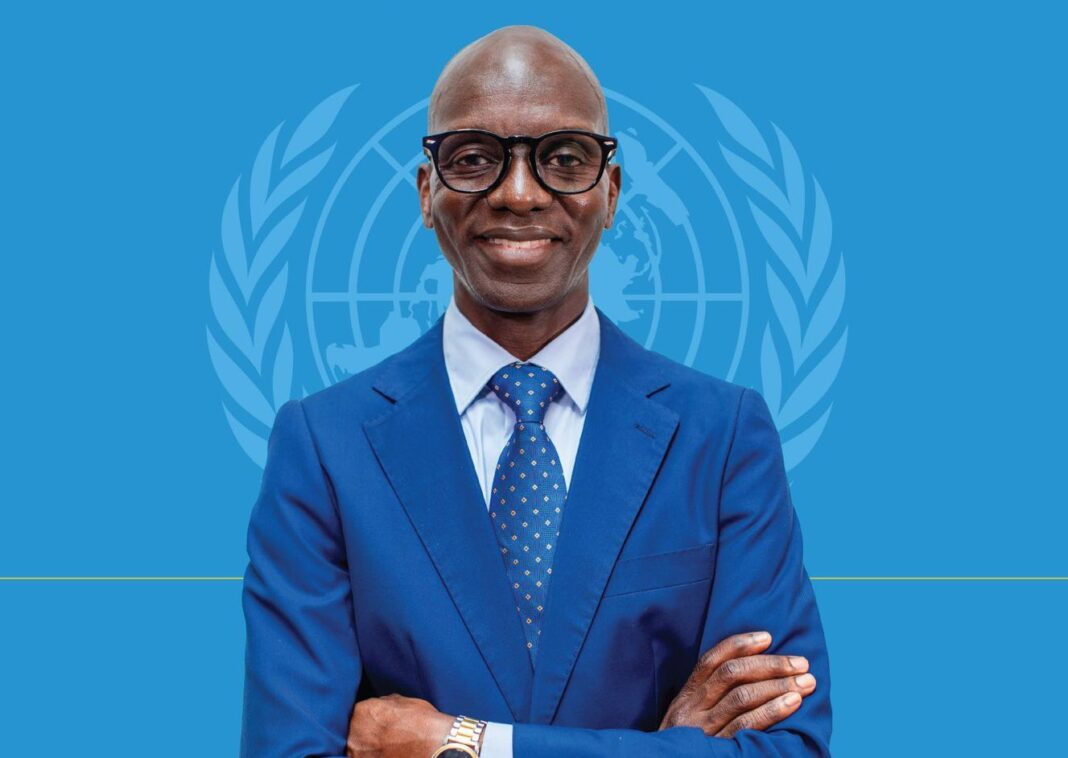
As Africa marks World Cervical Cancer Elimination Day 2026, WHO Regional Director for Africa Dr Mohamed Janabi is calling on governments, healthcare providers, communities and development partners to accelerate efforts to prevent new infections, expand screening and ensure women diagnosed with cervical disease receive timely treatment.
In his message issued on 17 November, under the theme “Together We Can Eliminate Cervical Cancer,”Janabi warned that the disease continues to claim women’s lives despite the availability of effective prevention and treatment interventions.
He emphasised that eliminating cervical cancer requires more than making vaccines and screening services available. Countries must also establish reliable pathways connecting women to diagnosis, treatment and continued care.
The global cervical cancer elimination strategy identifies three targets that countries must achieve by 2030.
These include ensuring that 90 per cent of girls receive the human papillomavirus (HPV) vaccine by the age of 15, screening 70 per cent of women using high-performance tests by ages 35 and 45, and providing appropriate treatment and care to 90 per cent of women identified with cervical disease.
Achieving these milestones would place countries on the path towards reducing cervical cancer incidence to fewer than four cases per 100,000 women, the threshold for eliminating the disease as a public health problem.
Prevention must begin before disease develops
HPV vaccination remains central to preventing cervical cancer, particularly when girls receive the vaccine before exposure to the virus.
However, WHO says communities must also address misinformation, fear and stigma that discourage families from accepting vaccination and women from seeking screening.
Janabi urged families, community leaders and health workers to strengthen public awareness and encourage girls to receive HPV vaccination while supporting eligible women to access regular screening.
He also highlighted the importance of providing clear information and emotional support to women who receive abnormal screening results, ensuring they understand the next steps and are not lost between diagnosis and treatment.
For healthcare workers, he called for every interaction with patients to become an opportunity to recommend vaccination, provide screening information, explain results and facilitate referrals.
He noted that respectful, compassionate and patient-centred healthcare is essential in building confidence and encouraging women to complete recommended treatment and follow-up.
Kenya’s elimination plan offers a pathway
Across the African Region, countries are strengthening HPV vaccination programmes, expanding screening services and integrating cervical cancer prevention and treatment into primary healthcare.
Kenya’s National Cervical Cancer Elimination Action Plan for 2026–2030 is among the initiatives highlighted by WHO as an example of national efforts to translate global elimination commitments into country-level action.
Other countries are also expanding community engagement and improving access to HPV testing and treatment.
Despite this progress, significant barriers remain. Many girls are still missing HPV vaccination, while women in several settings lack access to high-performance screening tests.
Even where screening services exist, women with suspected or confirmed cervical disease can experience delays in receiving further investigations and treatment.
WHO warns that screening programmes cannot achieve their intended impact without functioning referral systems and accessible treatment services.
Janabi is therefore urging governments to prioritise cervical cancer elimination through sustained domestic financing for vaccines, screening, diagnostic services, treatment and palliative care.
He also called for investment in adequately trained health workers, stronger health information systems and effective referral networks to ensure women can access care without unnecessary delays.
Integrating cervical cancer services into primary healthcare and universal health coverage, he said, would help reduce the financial and geographical barriers that prevent women from receiving essential services.
Women must shape the elimination agenda
Beyond government investment and healthcare infrastructure, WHO is emphasising the need to place women, survivors and affected communities at the centre of cervical cancer elimination efforts.
Janabi called on development partners, civil society organisations, professional associations, research institutions and the private sector to align their contributions with national priorities and strengthen existing healthcare systems.
He stressed that the experiences of women and cervical cancer survivors should inform policies, public communication and service delivery, particularly in addressing barriers related to affordability, confidentiality and access to care.
WHO says it will continue supporting African countries through evidence-based technical guidance, stronger primary healthcare systems, partnerships and accountability mechanisms to accelerate progress towards the 2030 targets.
As the region observes this year’s elimination day, the message from WHO is that preventing cervical cancer requires a continuous chain of interventions, from protecting girls through vaccination to ensuring women receive timely screening, diagnosis, treatment and follow-up.
For Africa, the challenge is to turn existing scientific knowledge and global commitments into accessible services that reach every girl and woman, regardless of where she lives or her ability to pay.



