
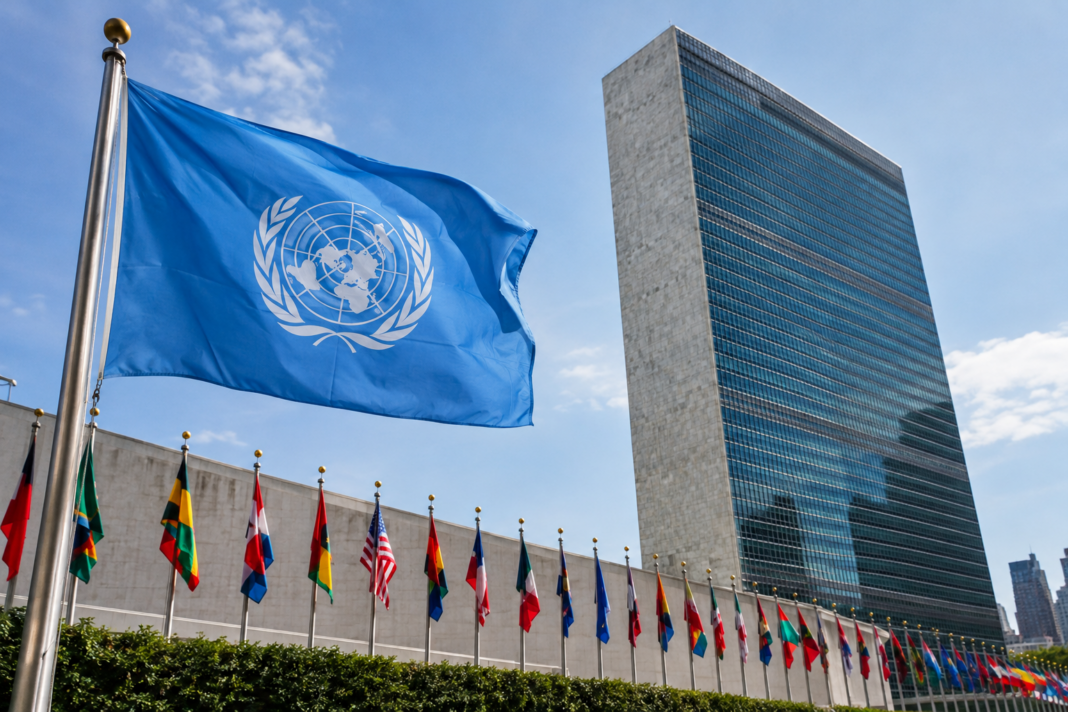

The United Nations marked its 81st anniversary on October 24, renewing its call for international cooperation as conflicts, climate change, widening inequalities and rapid technological advances continue to challenge global peace, human rights and development.
Established in 1945 in the aftermath of the Second World War, the United Nations was founded on the principle that countries could work together to prevent conflict, resolve disputes through diplomacy and build a more peaceful and equitable world.
However, more than eight decades later, the organisation faces a world where the challenges confronting humanity increasingly cross national borders, requiring coordinated responses from governments and international institutions.
In a message marking United Nations Day, Secretary-General António Guterres emphasised the importance of collective action in addressing these challenges, warning that humanity’s future depends on countries’ ability to advance peace, development and human rights together.
“The United Nations is an essential part of the fabric of our world,” Guterres said, adding that the organisation was needed more than ever.
United Nations Day is observed annually on October 24 to commemorate the entry into force of the UN Charter in 1945, following its ratification by a majority of the signatories, including the five permanent members of the Security Council.
The day has been celebrated since 1948, providing an opportunity to reflect on the organisation’s achievements, its continuing responsibilities and the obstacles facing international cooperation.
Its mandate spans conflict prevention, poverty reduction, hunger eradication, human rights protection and the delivery of humanitarian assistance to people affected by wars, disasters and displacement.
From the ruins of war to international cooperation
The United Nations emerged from an international effort to prevent another global war and establish mechanisms through which countries could address shared challenges peacefully.
Even before the organisation was formally established, countries were already experimenting with international cooperation to respond to the humanitarian consequences of the Second World War.
In November 1943, the United Nations Relief and Rehabilitation Administration (UNRRA) was established to assist populations devastated by the conflict.
Confronted with widespread hunger, disease, displacement and destruction, the agency helped provide essential supplies and rehabilitation assistance to millions of people struggling to rebuild their lives.
Its work extended beyond emergency relief, demonstrating how countries could pool resources and coordinate responses to humanitarian crises.
UNRRA became an important early example of multilateral cooperation, helping lay the groundwork for the international humanitarian and development efforts that followed.
The experience also reinforced a central principle that would underpin the United Nations: crises affecting populations across borders often require solutions that individual countries cannot deliver alone.
Peace, human rights and development remain central
Today, the United Nations continues to pursue its founding objectives through diplomacy, humanitarian operations, development programmes and initiatives aimed at protecting fundamental rights.
Its work includes supporting vulnerable populations, responding to emergencies, addressing poverty and hunger, and encouraging countries to resolve disagreements through dialogue rather than violence.
Yet the global challenges identified by Guterres demonstrate the scale of the task facing the international community.
Armed conflicts continue to threaten civilian lives and displace communities, while climate change increases pressure on livelihoods, food systems and essential services.
Rising inequalities also raise questions about whether the benefits of development are reaching populations equitably, particularly those already facing economic and social disadvantages.
Meanwhile, technological advances are creating new opportunities while raising governance challenges that require international cooperation.
These pressures underline the continuing relevance of the UN’s mandate, but they also highlight the need for effective action to translate international commitments into improvements in people’s lives.
For communities affected by conflict, poverty, disasters and displacement, the significance of international cooperation is measured not only through declarations and diplomatic agreements but also through access to safety, food, healthcare, education and other essential services.
Looking ahead
As the United Nations enters its 82nd year, its anniversary offers an opportunity to consider whether the international community can strengthen cooperation in the face of increasingly interconnected crises.
The organisation’s founding vision was shaped by the devastation of war and the recognition that lasting peace requires countries to work together.
More than eight decades later, that principle remains relevant as governments confront challenges that extend beyond national boundaries.
The UN’s future effectiveness will depend on the willingness of member states to sustain cooperation, uphold human rights and pursue development while responding to emerging global threats.
For Guterres, the message remains clear: the future of humanity is closely tied to the ability of nations to act collectively.
As the world marks 81 years of the United Nations, the anniversary serves as both a reflection on the institution’s historic role and a reminder that the pursuit of peace, equality and human dignity remains unfinished.



