

The African Union has been urged to convene an emergency session of its Peace and Security Council (PSC) over renewed fighting in northern Ethiopia, amid reports of civilian casualties, damage to civilian infrastructure and growing fears that the conflict could spread beyond the affected regions.
The call was made by Amnesty International following the outbreak of fresh hostilities in Tigray and parts of Afar and Amhara regions on September 21. The organisation said it had received credible reports of shelling and air strikes damaging civilian property, intensified forced conscription and other acts that could violate international humanitarian and human rights law.
Amnesty’s Regional Director for East and Southern Africa, Tigere Chagutah, said the AU Peace and Security Council should not wait for large-scale atrocities or a sharp increase in civilian deaths before acting.
The organisation said the renewed fighting involves Tigrayan forces and their allies, including Amhara Fano forces, against the Ethiopian National Defence Force and allied forces. The conflict has intensified across southern Tigray, northern Amhara and western Afar, with heavy weapons and aerial attacks reported in areas including Axum and Mekelle.
Reports cited by Amnesty indicate that civilian infrastructure, including schools, has been damaged or targeted during air attacks. Fighting around Maychew and Alamata has also reportedly caused civilian casualties and placed essential infrastructure at further risk.
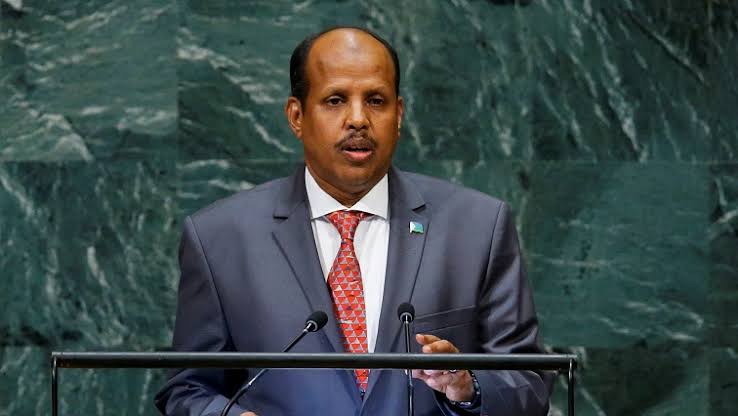
The renewed violence comes despite the November 2022 Pretoria Agreement, which ended the major phase of the previous Tigray conflict. The African Union has continued to describe the agreement as the foundation for peace and reconciliation in Ethiopia. On September 23, AU Commission Chairperson Mahmoud Ali Youssouf called for restraint, an immediate reduction in tensions and the resumption of direct talks under the Pretoria framework.
Communication disruptions in Tigray and parts of Afar and Amhara have added to concerns about civilian protection and independent monitoring. Amnesty warned that communication restrictions could prevent information about abuses from reaching the outside world while also limiting civilians’ access to humanitarian assistance.
The organisation called for communications services to be restored and for journalists, humanitarian organisations and human rights monitors to be given unhindered access to conflict-affected areas.
Amnesty also linked the latest escalation to Ethiopia’s broader security crisis, noting that the country has experienced persistent armed conflicts in regions including Oromia, Amhara and Tigray. It said serious allegations of violations by different armed actors have continued while independent accountability mechanisms remain limited.
The organisation urged the AU, the Intergovernmental Authority on Development (IGAD) and the United Nations to strengthen efforts to protect civilians, support independent investigations into alleged violations and address the wider accountability crisis.
The previous Tigray conflict, which lasted from 2020 to 2022, resulted in mass displacement and widespread allegations of serious violations, including conflict-related sexual violence. The conflict also produced an extended communications blackout in Tigray, leaving much of the population isolated from outside information.
Although the 2022 cessation of hostilities ended large-scale fighting, its humanitarian consequences remain. Amnesty says many displaced people have yet to return home and victims of serious violations continue to seek justice and reparations.
The latest escalation is also unfolding against wider regional tensions. On October 1, the AU Commission expressed concern over heightened tensions involving Ethiopia, Eritrea and Egypt and called on the three countries to exercise restraint and resolve their differences through diplomatic channels.
For the AU, the renewed fighting presents a test of its peace and conflict-prevention mechanisms and its role in implementing the Pretoria peace process. Amnesty is calling for an urgent PSC session, while the AU has already signalled its intention to support renewed dialogue and de-escalation.



