
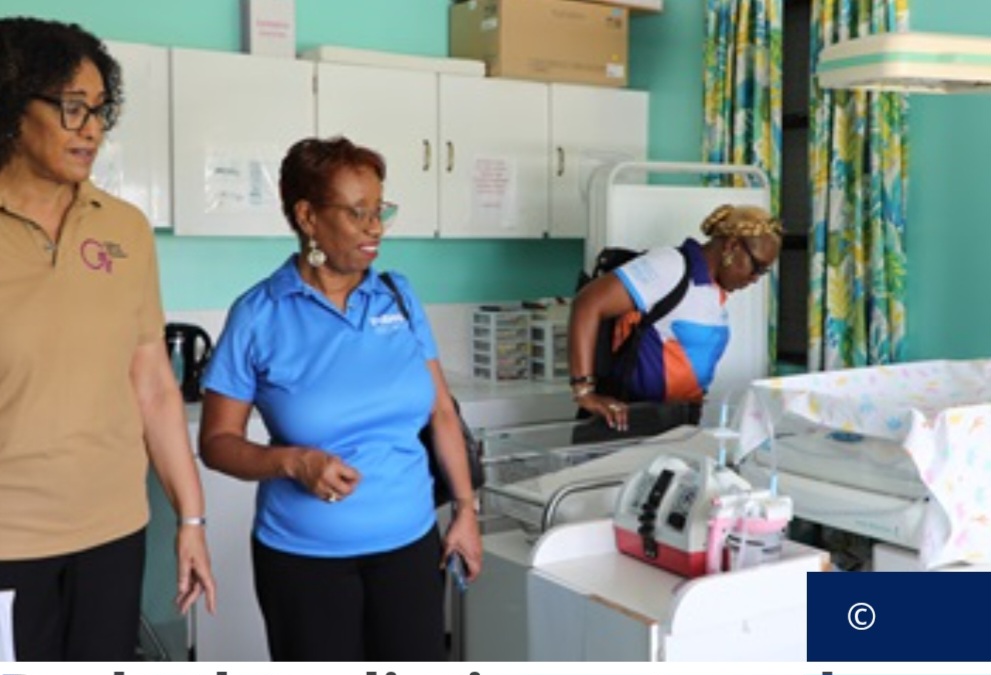

Barbados has eliminated mother-to-child transmission of HIV as a public health problem, becoming the latest country to demonstrate that sustained investment in maternal healthcare, universal testing and access to treatment can prevent babies from acquiring the virus.
The World Health Organization (WHO) announced the achievement on October 30, 2026, following an independent assessment that confirmed the Caribbean nation had met international targets for eliminating mother-to-child transmission of HIV.
Between 2022 and 2024, Barbados recorded no new HIV infections resulting from mother-to-child transmission among infants born in the country.
The milestone highlights the role of accessible antenatal care, early HIV diagnosis and antiretroviral treatment in preventing transmission from mothers living with HIV to their children.
According to WHO, 98 per cent of pregnant women in Barbados received antenatal care during the three-year assessment period. The same proportion underwent HIV testing, while 98 per cent of pregnant women living with HIV received antiretroviral treatment.
The achievement places Barbados among 26 countries and territories worldwide recognised by WHO for eliminating mother-to-child transmission of HIV, syphilis or hepatitis B, or for being on track to achieve elimination.
Fifteen of these countries and territories are in the Americas, making the region a global leader in progress towards preventing mother-to-child transmission.
WHO Director-General Dr Tedros Adhanom Ghebreyesus congratulated Barbados, describing its achievement as evidence of universal health coverage in practice.
He highlighted the country’s provision of free services to every pregnant woman, regardless of nationality, alongside healthcare that respects women’s rights and privacy.
Barbados has built its elimination programme around accessible public healthcare services, with HIV testing and treatment provided free of charge to pregnant women.
The country’s Queen Elizabeth Hospital accounts for approximately 93 per cent of births, while public clinics and hospitals provide antenatal services, testing and follow-up care.
Babies exposed to HIV receive early testing and continued monitoring, helping healthcare providers identify and respond to possible infections.
The programme also incorporates voluntary and confidential HIV testing, with the WHO assessment finding no evidence of coercive reproductive health practices involving women living with HIV.
Dr Jarbas Barbosa, Director of the Pan American Health Organization (PAHO) and WHO Regional Director for the Americas, said the achievement demonstrated that eliminating mother-to-child transmission was possible when women and children could access quality healthcare without barriers.
He noted that the milestone meant children could be born free of HIV while women living with the virus received the treatment and support necessary for their health.
Barbados Health and Wellness Minister Lisa Cummins said the achievement would allow children to live healthier lives while giving mothers access to treatment throughout pregnancy.
The country’s progress has been supported by years of collaboration between the government, PAHO, WHO, civil society organisations and other health partners to strengthen HIV services, disease surveillance and quality of care.
However, WHO cautioned that maintaining elimination status will require continued investment, updated treatment guidelines, stronger health information systems and improved follow-up for women and children.
The agency also identified the need to expand integrated testing for HIV and syphilis to sustain progress towards eliminating mother-to-child transmission of multiple infections.
The achievement adds to a growing list of countries making progress against vertical transmission. The Bahamas and Turks and Caicos received recognition in 2026, Brazil in 2025, while Jamaica and Saint Vincent and the Grenadines achieved certification in 2024.
For the global effort to end AIDS among children, Barbados’ recognition demonstrates how universal access to maternal healthcare, human rights-based services and consistent treatment can help prevent new childhood HIV infections.



