

Africa is facing a growing dementia challenge, but health systems across the continent remain poorly prepared to diagnose, treat and support people living with the condition, health experts have warned.
An estimated 1.9 million people are currently living with dementia in the WHO African Region, with the number expected to increase as populations grow and life expectancy rises. The condition is also imposing a significant economic burden, estimated at US$15.6 billion annually, much of it borne by families and unpaid caregivers.
Women and family members provide most of the unpaid care, spending an average of 12.9 hours a day caring for people with dementia, compared with a global average of 7.8 hours.
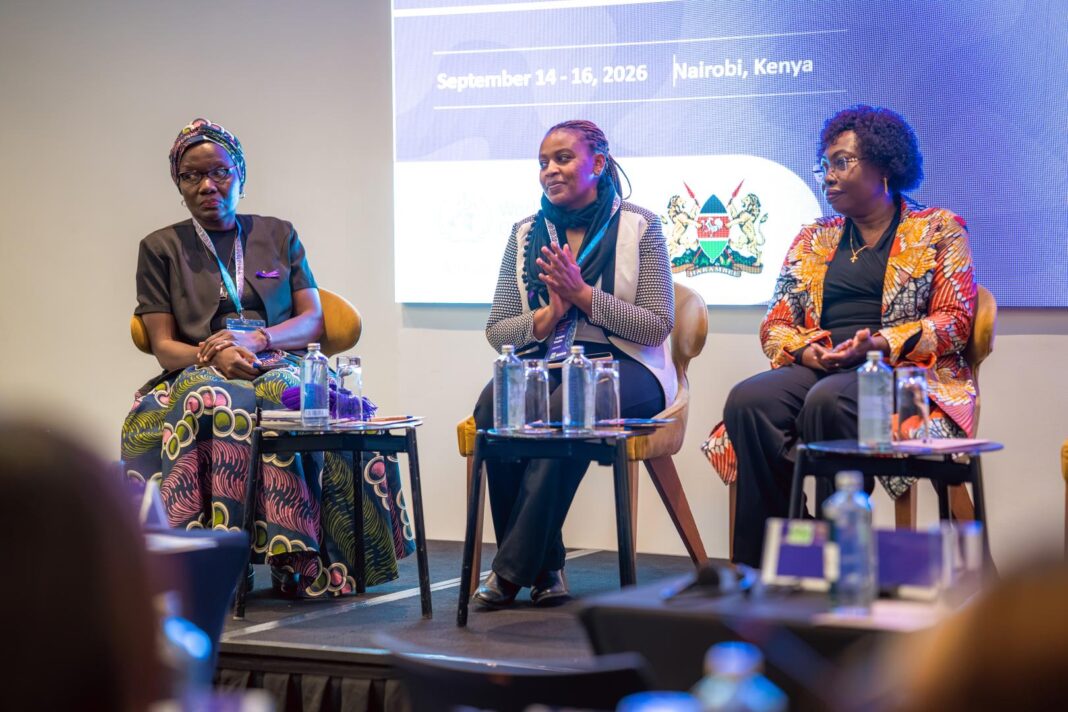
The growing burden and gaps in national preparedness were at the centre of discussions when health leaders from 10 African countries met in Nairobi to identify priorities for strengthening dementia prevention, diagnosis, treatment and care.
The three-day 2026 Regional Intercountry Workshop on Dementia, held from September 14 to 16 and convened by the World Health Organization (WHO) Regional Office for Africa, brought together experts from Cabo Verde, Comoros, Gabon, The Gambia, Ghana, Kenya, Malawi, Tanzania, Zambia and Zimbabwe.
Participants discussed practical measures to strengthen national dementia responses, including tackling stigma and discrimination, reducing risk factors, improving early diagnosis, expanding health-worker training and integrating dementia services into primary healthcare.
The meeting comes against a backdrop of limited national planning across the Region. As of 2024, none of the 47 countries in the WHO African Region had a national dementia plan, either as a standalone framework or integrated into broader health strategies.
Only five countries had conducted public awareness campaigns on dementia, while seven were implementing activities aimed at reducing dementia risk.
“Dementia is a public health priority for Africa. As the number of people affected continues to grow, countries need guidance, tools and data to act,” said Dr Benido Impouma, Director of the Health Promotion, Disease Prevention and Control Cluster at the WHO Regional Office for Africa.
He said the workshop was an important step towards strengthening capacity for dementia prevention, care and support while reinforcing collective action across the Region.
The Nairobi meeting brought together health professionals, people with lived experience of dementia, caregivers, civil society organisations, development partners and academic institutions.
Their discussions examined gaps in existing national responses and explored ways of developing policies and services that better address the needs of people living with dementia and their families.
A key area of focus was improving pathways for early detection, diagnosis and referral. Participants also discussed integrating dementia care into essential health service packages and expanding training for health and social care workers.
Experts emphasized the need for coordinated, person-centred services that provide continued support as the condition progresses, rather than relying primarily on families to shoulder the responsibility of care.
Public awareness and community engagement were also identified as critical to reducing stigma and discrimination surrounding dementia.
People living with dementia and caregivers shared their experiences during the workshop, providing perspectives intended to ensure that proposed policies and interventions respond to the realities faced by affected families.
Participants also highlighted major gaps in dementia data across Africa. As of 2024, only 10 countries in the Region were reporting dementia data to WHO.
Delegates called for stronger surveillance systems, improved collection and use of disaggregated data and greater investment in research that reflects African populations and local social and health-system contexts.
National assessments conducted before the workshop, together with the priorities identified during the meeting, will be used by participating countries to refine roadmaps for developing or revising dementia policies and plans.
The workshop also established a regional community of practice on dementia to maintain collaboration after the meeting. The platform will provide an avenue for countries to exchange experiences, share good practices, strengthen peer learning and work together on common challenges.
For Kenya, the focus is on translating the discussions into practical measures that can improve early recognition and access to care.
“This workshop must translate into concrete action at country level. Our priority is to ensure that dementia is recognized early, that people can access quality care and support, and that families are not left to face it alone,” said Dr Catherine Wanjiku Waweru, Focal Person for the Intersectoral Global Action Plan on Epilepsy and Other Neurological Disorders at Kenya’s Ministry of Health.
The Nairobi discussions underline the need for African countries to move dementia higher on national health agendas as demographic changes increase the number of people requiring long-term care and support.



