
Africa seeks to attract more investment into carbon markets while strengthening local participation, project credibility, and community benefits, as governments and investors explore ways to turn the continent’s natural resources into a source of climate finance and sustainable economic growth.
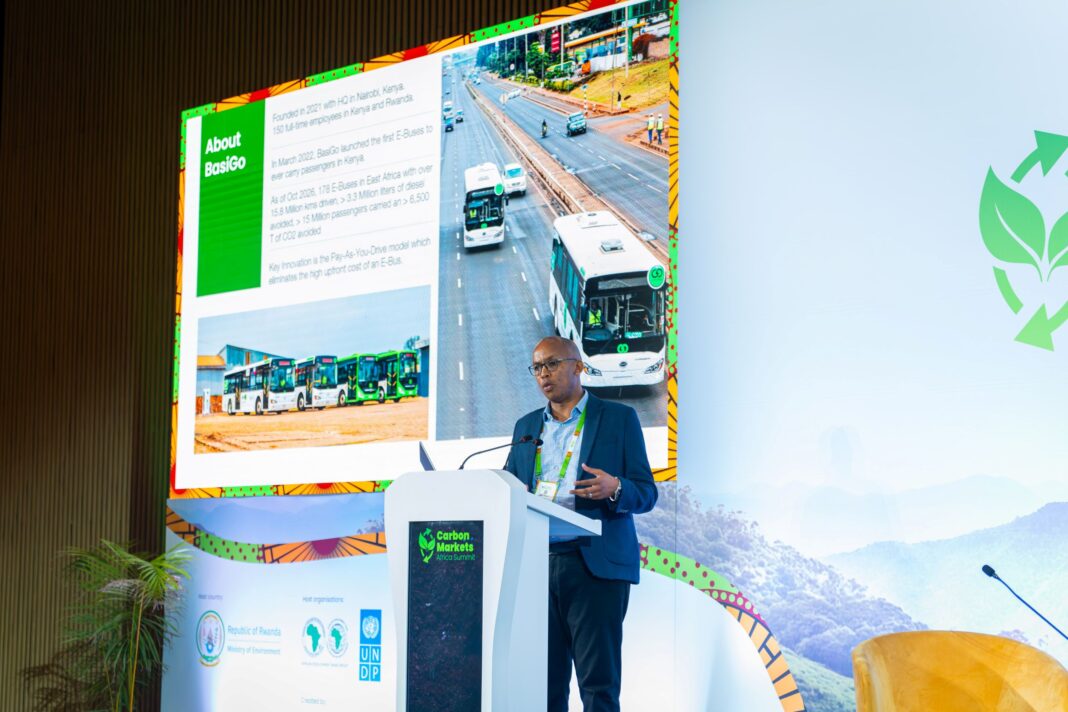
The Carbon Markets Africa Summit (CMAS) 2026, held October 13 to 15 at the Kigali Convention Centre in Rwanda, brought together policymakers, investors, project developers, carbon credit buyers, and technical experts to address barriers that prevent African projects from accessing international carbon finance.
The discussions focused on mobilising capital for nature-based solutions, improving regulatory frameworks and ensuring African countries capture greater economic value from carbon transactions.
For a continent with significant potential in forestry, agriculture, renewable energy, ecosystem restoration and waste management, carbon markets are emerging as a possible source of financing for climate action, conservation and rural development.
However, unlocking this potential will depend on access to development capital, transparent market rules, credible emissions measurements and fair distribution of revenues among governments, investors and local communities.
New fund targets Africa’s carbon project financing gap
One of the key developments at the summit was the announcement of the Africa Nature Impact Fund by Finance Earth, FSD Africa and FSD Africa Investments.
The fund is targeting US$100 million to support early-stage nature and nature-based carbon projects, addressing a financing gap that has limited the development of commercially viable initiatives across the continent.
FSD Africa Investments has made a £5 million cornerstone commitment, while the platform is seeking a first close of US$20 million in 2027.
The initiative is intended to help projects secure financing for preparation and development before they generate revenue from carbon credit sales.
This early-stage funding is particularly important because carbon projects often require substantial upfront investment in feasibility studies, land assessments, community consultations, monitoring systems and independent verification.
Without suitable financing, projects with significant environmental and economic potential can struggle to reach the stage where they can attract institutional investors or secure long-term credit purchase agreements.
Nature-based projects offer opportunities for African economies
The summit examined investment opportunities across blue carbon, reforestation, sustainable agriculture, rangeland restoration and waste management.
These sectors could enable African countries to attract climate finance while supporting ecosystem protection, agricultural productivity and employment.
Forestry and landscape restoration projects can generate carbon credits by removing or storing greenhouse gases, while agricultural initiatives can reduce emissions through improved farming practices and soil management.
Blue carbon projects, which protect or restore coastal ecosystems such as mangroves and seagrass beds, offer additional opportunities for countries with extensive coastlines.
Waste management projects can also contribute through methane reduction, improved waste treatment and the recovery of materials.
Investor roundtables, project showcases and deal rooms at CMAS 2026 brought developers into discussions with prospective financiers and buyers, with attention to carbon credit pricing, purchase agreements and the commercial requirements for taking projects to market.
For African countries, the challenge is to ensure that these investments generate measurable climate benefits alongside economic returns, rather than concentrating the value of carbon transactions among project developers and international intermediaries.
Rwanda strengthens its carbon finance ambitions
Rwanda used the summit to advance discussions on how carbon revenues could support the development of future climate projects.
Environment Minister Dr Bernadette Arakwiye outlined an approach the country is exploring to channel a share of carbon transaction proceeds through the Rwanda Green Fund to help prepare and pre-finance new projects.
Such mechanisms could help address the shortage of early-stage capital while strengthening the pipeline of projects capable of attracting private investment.
On October 15, the Kigali International Financial Centre (KIFC), the summit’s platinum sponsor, launched Rwanda’s Sustainable Finance Roadmap 2.0.
The framework establishes priorities through 2030, including improving project readiness, strengthening carbon finance and expanding the availability of sustainability data.
KIFC Chief Executive Officer Hortense Mudenge highlighted the potential of sustainable finance to support business growth, create jobs and strengthen Rwanda’s economic resilience.
She also outlined ambitions to develop Kigali into a centre for carbon aggregation and investment structuring, potentially positioning the city as a hub connecting African carbon projects with international capital.
Credibility and community benefits remain critical
Despite the opportunities, African carbon markets face challenges related to project integrity, measurement, verification, regulatory uncertainty and access to international buyers.
Investors increasingly require evidence that carbon credits represent genuine, measurable emissions reductions or removals. Projects must also address risks such as reversal of stored carbon, double counting and uncertainty over the ownership of environmental benefits.
“For SGS, environmental integrity, credible projects and meaningful benefits for local communities are essential,” said Shikha Sharma, Global Technical Lead, Climate Solutions at SGS, the summit’s gold sponsor.
She added that independent validation and verification are important for ensuring carbon credits represent measurable climate action and building confidence in the market.
Community participation is equally important, particularly where projects involve forests, agricultural land, rangelands and coastal ecosystems.
Clear land rights, informed community consent and transparent benefit-sharing arrangements can help ensure that people living in project areas receive tangible economic benefits from carbon revenues.
Maxwell Gomera, UNDP Resident Representative in South Africa and Director of the UNDP Africa Sustainable Finance Hub, delivered closing remarks emphasising the need to translate summit discussions into investable projects and transactions.
He highlighted the importance of incorporating community rights and fair benefit-sharing into project design from the outset.
Turning Africa’s carbon potential into investment
The summit was hosted by Rwanda’s Ministry of Environment, with the United Nations Development Programme (UNDP) and the African Development Bank as host organisations. The Development Bank of Southern Africa was the host partner, alongside AUDA-NEPAD.
Emmanuelle Nicholls, Portfolio Director at VUKA Group, said the ambition was for Africa to shape carbon markets that finance the continent’s priorities and create lasting value for its people.
The discussions in Kigali highlighted a broader question for African governments: how to use carbon finance to support domestic development priorities while maintaining environmental integrity and attracting long-term investors.
As international carbon trading frameworks evolve, African countries will need stronger regulatory institutions, reliable project data, skilled local verification professionals and financing structures that enable projects to move from concept to implementation.
The long-term opportunity lies not only in exporting carbon credits, but also in building local expertise, developing African-led project companies and directing a fair share of revenues towards communities and climate-resilient economies.
For Africa, the next phase of carbon markets will depend on whether commitments announced at industry gatherings translate into funded projects, credible emissions reductions and measurable benefits for the people and ecosystems on which these markets depend.