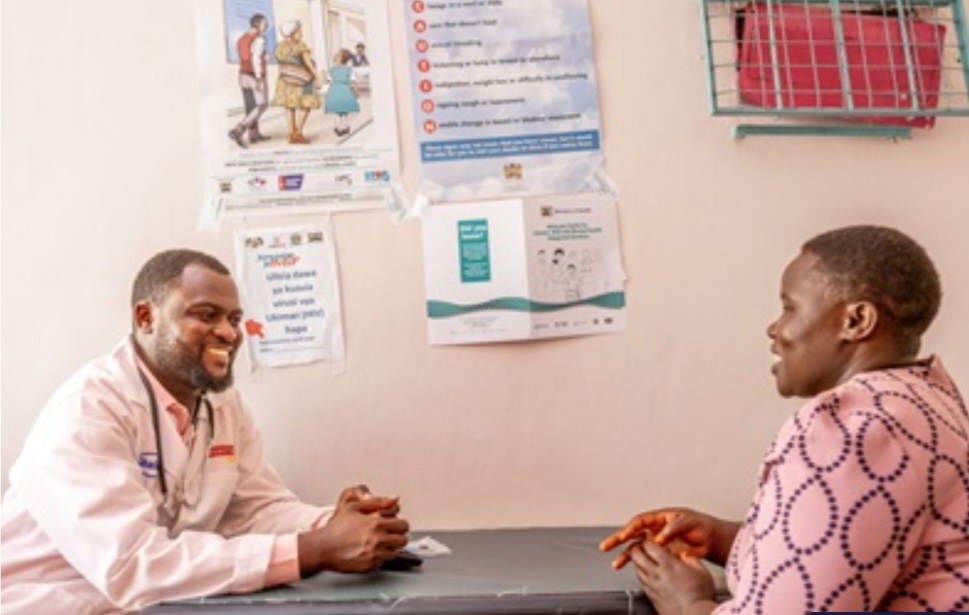

Limited access to cervical cancer screening continues to undermine global efforts to eliminate the disease, with new estimates showing that most women in the 30–49 age group have never been screened.
The World Health Organization (WHO) estimates that three out of every five women in this age bracket have not undergone cervical cancer screening, raising concerns about missed opportunities to detect precancerous changes before they develop into cancer.
The disparity is even greater when access to human papillomavirus (HPV) testing is considered. Only 2 per cent of women in low- and middle-income countries received HPV-based screening during the previous five years, compared with 32 per cent in high-income countries.
The figures come as countries mark World Cervical Cancer Elimination Day on November 17, with WHO urging governments to prioritise women who remain outside existing screening programmes and strengthen access to treatment for those who test positive.
WHO Director of Noncommunicable Diseases and Mental Health Søren Brostrøm said cervical cancer prevention efforts must also reach women who missed opportunities for HPV vaccination.
He stressed that early detection and treatment of precancerous changes can prevent the development of cervical cancer, but screening programmes must be supported by reliable follow-up services.
National programmes gather momentum
Several countries are introducing new interventions to close screening gaps and improve access to preventive healthcare.
In Brazil, the public health system has expanded HPV DNA testing to 26 of its 27 federal units, increasing the availability of high-performance screening.
Cabo Verde is preparing to introduce organised HPV-based screening on Boa Vista Island through collaboration between its Ministry of Health, WHO and the Spanish Agency for International Development Cooperation.
El Salvador is pursuing regional partnerships supported by the Pan American Health Organization and Unitaid to make HPV-based screening more affordable.
New Zealand has also announced a long-term cervical cancer elimination plan covering 2026–2040. From March 2027, the government intends to provide free cervical screening for all eligible women.
In Sierra Leone, efforts are focusing on improving the ability of health facilities to screen, diagnose and treat cervical precancerous lesions through HPV testing and new medical equipment.
Building capacity to detect disease earlier
Beyond expanding screening programmes, WHO is supporting countries with technical guidance and training to improve the quality of cervical cancer prevention services.
In 2026, the organisation released guidance on HPV DNA genotyping to help healthcare providers identify women at higher risk of cervical precancer and determine appropriate clinical management.
Additional implementation guidance provides practical recommendations for countries introducing or expanding HPV-based screening according to their healthcare infrastructure and available resources.
The organisation is also investing in healthcare worker training through its Academy learning programme, which covers cervical cancer screening, diagnosis and management of precancerous conditions.
In Liberia, training resources were used to support health workers from 12 facilities in Nimba and Grand Bassa counties in July 2026.
Zambia is expected to pilot the programme in December, with technical support from WHO.
The road to 2030
The global campaign, running under the theme “Together We Can Eliminate Cervical Cancer”, is bringing together governments, survivors, health professionals, civil society and international partners to accelerate prevention efforts.
Among the initiatives marking the day are HPV vaccination activities in Benin, a diplomatic dialogue in Geneva involving Guyana, the launch of a national elimination roadmap in Morocco and community screening campaigns in Senegal and Malaysia.
These interventions support WHO’s global elimination strategy, which sets three targets to be achieved by 2030.
The strategy aims to ensure that 90 per cent of girls receive full HPV vaccination by age 15, 70 per cent of women undergo high-performance screening by ages 35 and 45, and 90 per cent of women diagnosed with cervical precancer or invasive cancer receive appropriate treatment.
The latest screening estimates demonstrate that achieving these targets will require countries to address persistent inequalities in healthcare access.
For women in underserved communities, the challenge is not simply whether screening technology exists, but whether services are affordable, accessible and connected to treatment.
WHO’s call therefore places emphasis on ensuring that screening becomes part of accessible routine healthcare, rather than a service available only to women who can overcome geographical, financial and health-system barriers.