

For Africa, the pursuit of lasting peace will remain incomplete as long as women and young women continue to be excluded from the spaces where peace is negotiated, communities are rebuilt and decisions about the future are made.
This was the central message from a high-level dialogue held in Bujumbura, Burundi, on August 11, bringing together political leaders, women mediators, young leaders, women’s rights defenders and peacebuilding actors from across the continent.
The session, held alongside the 5th Continental Dialogue on Youth, Peace and Security in Africa and the Women, Peace and Security Forum, focused on the theme: “From Promise to Practice: Intergenerational Voices on Peace Negotiations and Access to Justice for All Women and Girls.”
The discussions highlighted both the progress made in advancing women’s participation in peacebuilding and the persistent barriers that continue to keep many women, particularly young women, away from formal peace negotiations and decision-making processes.
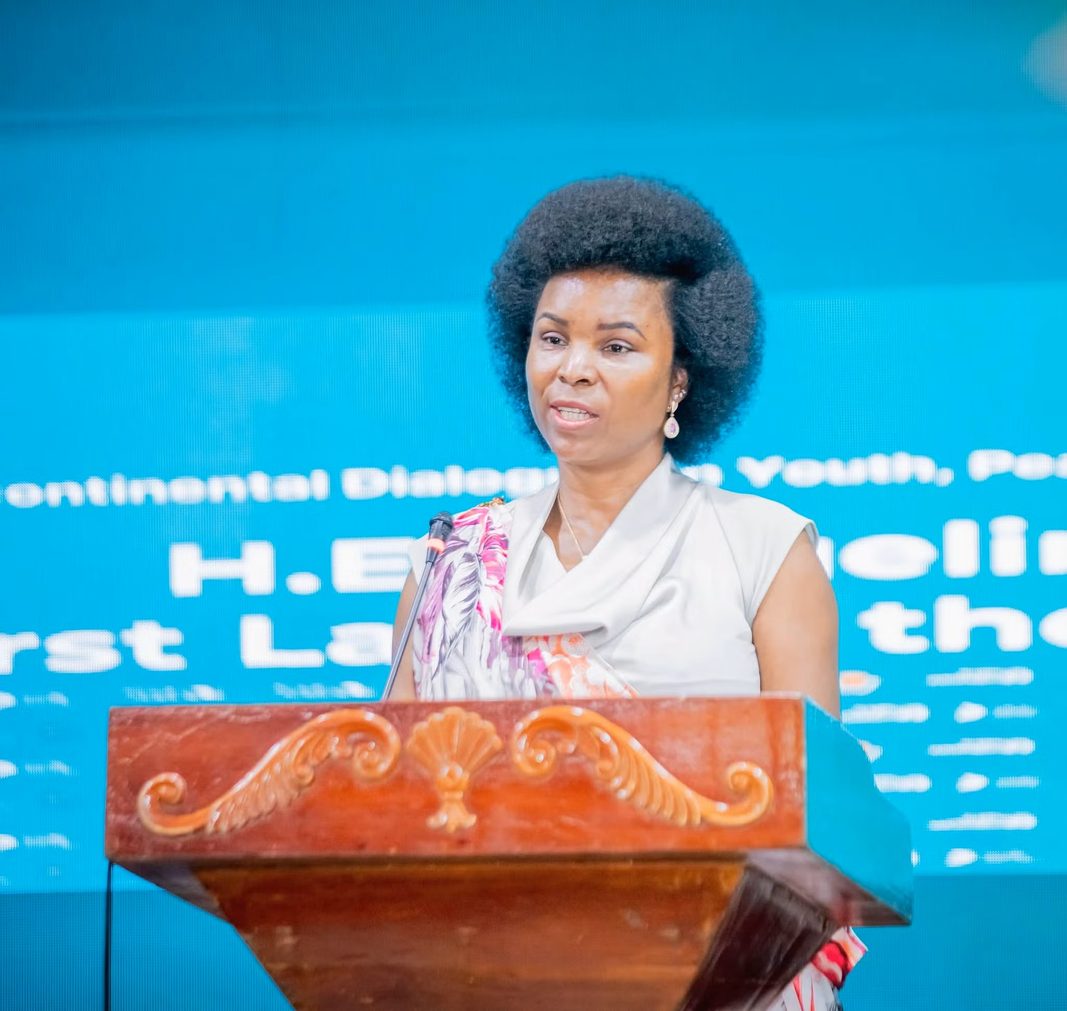
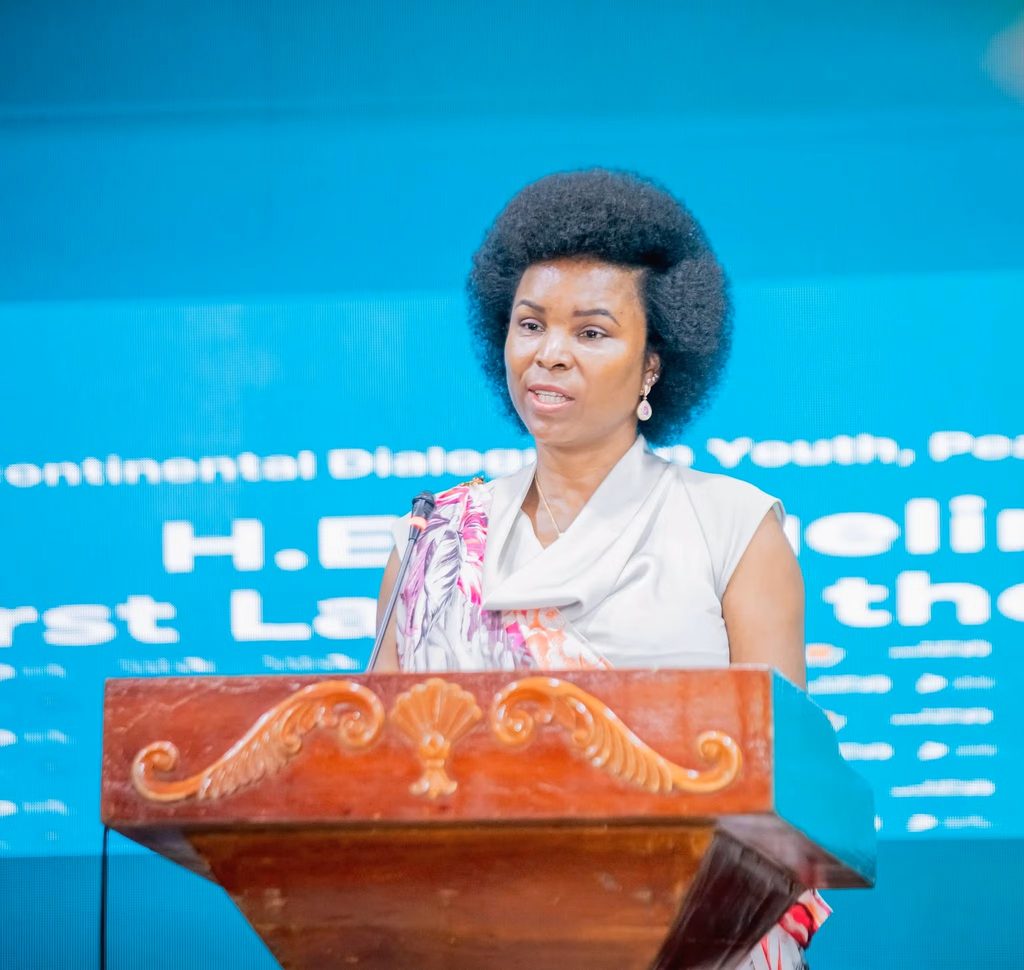
Opening the session, Burundi’s First Lady, H.E. Angeline Ndayishimiye, underscored the central role women play in preventing conflict, promoting reconciliation, supporting survivors and rebuilding communities affected by violence.
Drawing from Burundi’s own peacebuilding experience, she said sustainable peace could not simply be proclaimed by political leaders or secured through agreements alone.
“Sustainable peace cannot simply be declared; it is built every day and passed from one generation to another,” she said.
The First Lady called for stronger intergenerational cooperation among African women, urging experienced women leaders and peacebuilders to share their knowledge, mentor younger women and open doors that would allow the next generation to participate meaningfully in leadership and peace processes.
Young women, she said, must also be encouraged to take their place in decision-making spaces and confidently contribute to mediation, negotiation and community peacebuilding efforts.
Her message reflected one of the strongest themes emerging from the Bujumbura dialogue: that Africa must bridge the gap between generations if it is to strengthen women’s leadership in peace and security.
The discussions came at an important moment for the global Women, Peace and Security agenda. Twenty-five years after the adoption of United Nations Security Council Resolution 1325, attention is increasingly shifting from commitments and declarations to implementation.
Speaking on behalf of UN Women Executive Director Dr Sima Bahous, Ms Jennet Kem, the UN Women Country Representative to Ethiopia, recognised the commitment of the Government of Burundi, the African Union, FemWise-Africa and other partners working to advance women’s participation in peace and security.
She noted that Resolution 1325, adopted in 2000, was shaped significantly by the experiences and advocacy of women, including African women peacebuilders who had long demonstrated their ability to prevent violence, mediate conflicts and rebuild communities.
Today, she said, the question is no longer whether women should participate in peace and security processes. The challenge is how to ensure that participation becomes meaningful, sustained and capable of influencing decisions.
Africa has made notable progress. Thirty-six African Union member states have adopted National Action Plans on Women, Peace and Security. Continental and regional networks, including FemWise-Africa and the African Women Leaders Network, have also helped strengthen women’s mediation skills, leadership and collective action.
Yet significant gaps remain.
Women are still underrepresented in formal peace negotiations, political decision-making and post-conflict recovery structures. For young women, the barriers are often even greater, with limited access to leadership opportunities, mediation platforms, negotiation training and decision-making institutions.
Participants in Bujumbura argued that one way of addressing these challenges is through stronger intergenerational leadership.
Experienced women peacebuilders bring institutional knowledge, resilience and lessons drawn from years of engagement in conflict prevention and mediation. Young women, meanwhile, bring new perspectives, energy, innovation and an understanding of emerging social and political realities.
Connecting these generations, participants said, can create practical pathways for young women to move beyond being viewed merely as beneficiaries of peacebuilding programmes and become mediators, negotiators, leaders and decision-makers in their own right.
The dialogue also emphasised the importance of strengthening links between the Women, Peace and Security agenda and the Youth, Peace and Security agenda.
Women and young people experience conflict differently, but their perspectives are often complementary. Bringing them together can help produce more inclusive responses to conflict, displacement, injustice and post-conflict recovery.
Several priorities emerged from the discussions. These included strengthening women’s meaningful participation in peace negotiations, creating clearer pathways for young women to enter mediation and peacebuilding, improving protection and access to justice for women and girls, and investing in women’s economic empowerment as a foundation for sustainable peace and recovery.
Participants also called for greater investment in conflict prevention and community-based peacebuilding, as well as stronger coordination between Women, Peace and Security and Youth, Peace and Security initiatives at national, regional and continental levels.
The message from Bujumbura was clear: commitments alone will not transform peace processes.
Declarations must be matched with resources, political will, opportunities and accountability. Women must not simply be invited to peace tables as symbolic participants; they must have the space, influence and support necessary to shape the outcomes.
As Africa continues to confront conflicts, political instability and complex security challenges, ensuring that women and young women participate meaningfully in peace processes is not only a question of equality.
It is a requirement for building peace that is inclusive, resilient and sustainable.For Africa, moving from promise to practice means creating real opportunities for women to lead, negotiate, mediate and influence decisions that determine the future of their communities.
The Bujumbura dialogue reinforced a simple but powerful reality: the future of peace in Africa will depend on whose voices are heard today.
Women and young women must not remain at the margins of peace processes. They must be at the heart of them.



