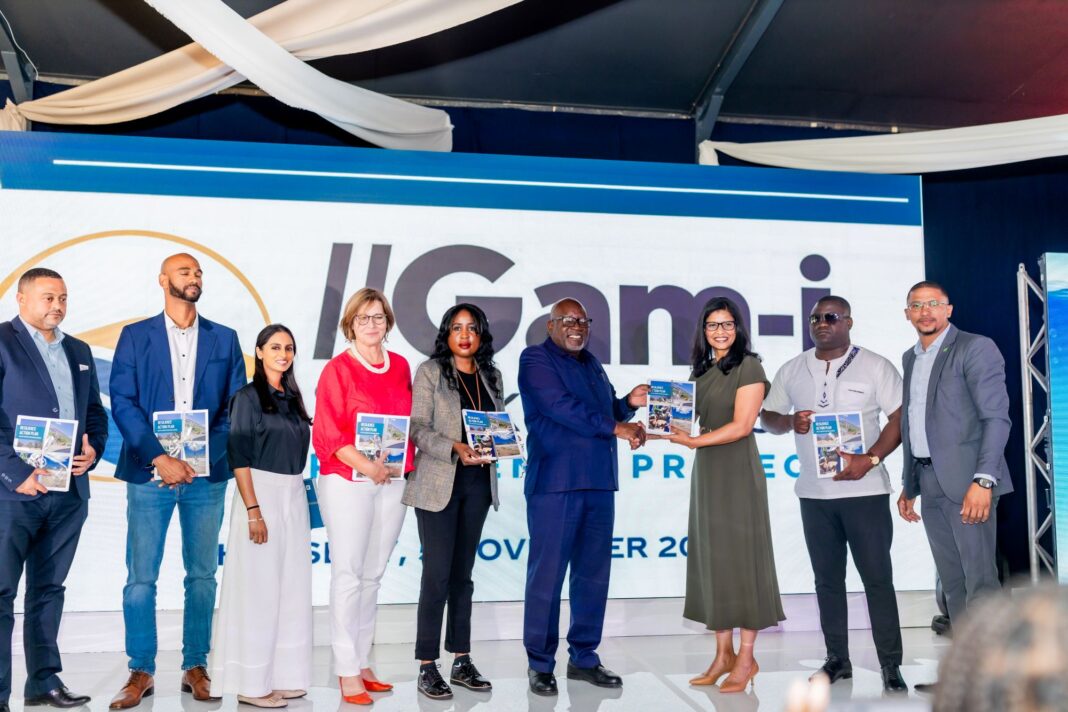

The Coca-Cola system is investing $1.22 million in a water conservation and ecosystem restoration project in Namibia, strengthening its sustainability commitments while supporting efforts to address growing water scarcity in the drought-prone country.
The Gam-i Swakop Basin Resilience Project will focus on improving water security in the Swakop River Basin, a critical water source for Windhoek and surrounding communities, where declining water availability, unpredictable rainfall and high evaporation rates are putting pressure on existing resources.
The investment comes as businesses and communities across Africa face increasing climate-related water risks, raising the importance of sustainable water management and private-sector participation in protecting essential natural resources.
Implemented in partnership with Global Water Challenge (GWC) and WWF Namibia, the project will deploy nature-based solutions to restore degraded ecosystems, improve groundwater recharge and strengthen the resilience of the basin.
Key interventions include the construction of two sand storage dams, restoration of 235 hectares of land through the removal of invasive alien plants, and the planting of 750 trees in river buffer zones and environmentally degraded areas within Windhoek’s informal settlements.
The initiative will also support the drilling of two boreholes to facilitate groundwater recharge in the Windhoek aquifer, alongside the implementation of a water resilience action plan to guide long-term conservation efforts.
For Coca-Cola, the project represents both a corporate social responsibility intervention and part of a broader business sustainability strategy aimed at protecting water resources in markets where the company and its bottling partners operate.
Through its Africa Water Stewardship Initiative, launched in 2024, the Coca-Cola system has committed nearly $25 million towards addressing critical water challenges across 20 African countries by 2030.
The programme focuses on protecting important watersheds, improving access to safe water and sanitation, promoting efficient water use and supporting communities facing water-related vulnerabilities.
“Because water challenges are local, our approach to water security is focused on local action and collaboration,” said Alfred Olajide, Vice President of East and Central Africa Operations at Coca-Cola.
“The Coca-Cola system remains focused on helping to promote water stewardship, increasing water-use efficiency, and treating and returning safe water to communities.”
Henry Friedrich, General Manager of Coca-Cola Namibia Bottling Company (CCNBC), said the investment reflects the company’s responsibility to contribute to the protection of natural resources in the communities where it operates.
“As part of the Coca-Cola Beverages Africa group, we have a responsibility to assist those who face water scarcity and to help protect local water resources where we operate, especially in places with the biggest challenges,” Friedrich said.
He added that the Africa Water Stewardship Initiative seeks to protect critical watersheds while improving access to water and sanitation in local communities.
WWF Namibia Country Director Dr Juliane Zeidler said the initiative demonstrates how investment in ecosystem restoration can generate environmental and economic benefits while helping communities adapt to climate change.
“Water is one of Namibia’s most precious and increasingly vulnerable resources. This project is an opportunity to demonstrate how investing in healthy ecosystems can deliver tangible benefits for people, while also helping communities become more resilient to future climate pressures,” she said.
Zeidler said the partnerships and lessons emerging from the project could inform similar water conservation initiatives elsewhere in Namibia.
The investment highlights the growing role of private-sector companies in addressing Africa’s environmental challenges, particularly water scarcity, which poses risks to agriculture, industrial production, urban development and community livelihoods.
For beverage manufacturers, reliable and sustainable water resources are also essential to maintaining production, supporting supply chains and securing long-term business operations.
Olajide said collaboration between businesses, governments and civil society organisations would remain critical in delivering sustainable solutions to shared water challenges.
“Coca-Cola and its authorised bottlers continue to work with governments, businesses, and civil society organisations to design and implement strategic interventions,” he said.
The Namibia project adds to wider efforts by the Coca-Cola system to link environmental conservation with community development, positioning water stewardship as an important component of its long-term sustainability and business resilience strategy.