

The quality of medicines patients receive depends not only on how they are procured and delivered, but also on how they are stored before reaching hospital shelves.
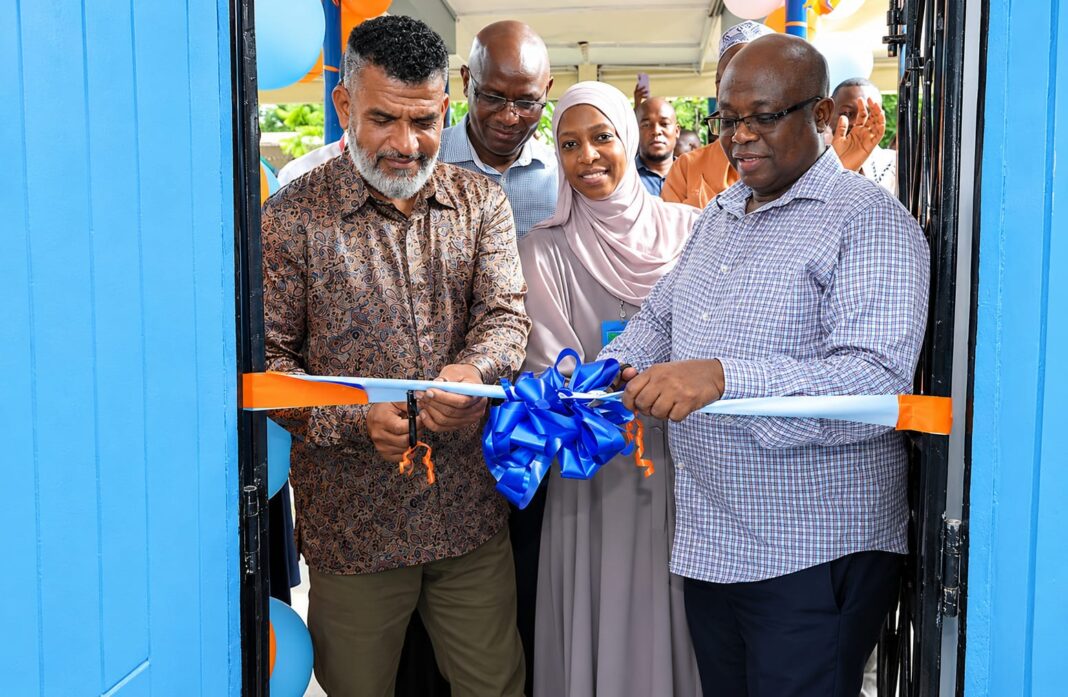
This is the concern behind the refurbishment of a medicine store at Port Reitz Sub-County Hospital in Mombasa, where the Kenya Medical Supplies Authority (KEMSA) has upgraded storage infrastructure in a move aimed at strengthening medicine quality, inventory management and patient safety.
The facility was officially handed over on October 26, 2026, in a ceremony presided over by Mombasa Governor Abdulswamad Sheriff Nassir.
The refurbished store is expected to improve the handling and storage of essential medicines and other health products for a catchment population of more than 300,000 people served by the hospital and surrounding communities in Changamwe and Jomvu constituencies.
The intervention addresses infrastructure shortcomings identified during a needs assessment conducted by KEMSA, Mombasa County officials and hospital management in April 2025.
According to KEMSA Chief Executive Officer Dr Waqo Ejersa, the assessment identified inadequate storage capacity, deteriorating infrastructure and other deficiencies that limited the hospital’s ability to manage medical commodities effectively.

“Protecting the quality of medicines does not end with procurement or delivery. Appropriate storage conditions are equally important in preserving product integrity before medicines reach patients,” Ejersa said.
The refurbishment was undertaken under KEMSA’s Corporate Social Responsibility programme for the 2025/2026 financial year.
The works included installing a ceiling and air-conditioning system to support temperature control, improving floors, reinforcing cracked walls and fitting additional windows with security grills. The project also involved repairing storage racks, installing appropriate doors, constructing office and washroom spaces, and improving drainage through gutters and perimeter pavement.
These changes are intended to create a more secure and organised environment for receiving, storing and issuing medical supplies while reducing exposure to moisture, pests and other conditions that could compromise product quality.
Medicines and other health products require storage conditions suited to their specific requirements. Exposure to inappropriate temperatures, excessive moisture or poor handling can affect product integrity, potentially leading to avoidable losses and undermining the resources invested in healthcare supplies.
However, KEMSA noted that improved infrastructure alone would not guarantee proper storage. Facilities must also maintain temperature-monitoring systems, accurate inventory records, routine equipment maintenance and procedures that comply with applicable storage requirements.
The intervention therefore highlights a critical stage of the health supply chain that begins after medical commodities arrive at a facility but before they are dispensed to patients.
For county health systems, effective storage and stock management are essential to ensuring that supplies remain usable and that available commodities can be accounted for throughout the distribution process.
Governor Nassir welcomed the investment, describing it as an example of how collaboration between national institutions and county governments can address gaps in healthcare infrastructure.
He said the county remained committed to working with KEMSA to improve access to quality and affordable medicines and other essential medical supplies.
Ejersa also linked the partnership to the financial sustainability of the national medical supply chain, citing Mombasa County’s ordering practices, allocation of resources for health products and timely settlement of payments to KEMSA.
He said predictable financing and timely payments support KEMSA’s revolving fund model, which enables the authority to continue procuring and distributing medical commodities to public health facilities.
The Port Reitz project is part of a broader KEMSA initiative to support county health systems through targeted infrastructure investments. Similar interventions have included medicine-store improvements at Mtwapa Sub-County Hospital in Kilifi County and Msambweni County Referral Hospital in Kwale County.
 KEMSA is also finalising a laboratory project at Dakabaricha Dispensary in Marsabit County, following an earlier laboratory project at Nyonjoro Health Centre in Nakuru County.
While the refurbished store provides an improved foundation for protecting medical supplies, its long-term impact will depend on consistent maintenance, appropriate storage practices, reliable monitoring and effective stock management.
For the more than 300,000 people within Port Reitz Hospital’s catchment area, the investment is intended to strengthen the systems that help safeguard medicines before they reach patients.
Ultimately, ensuring access to quality healthcare requires more than getting medicines into hospitals. It also requires maintaining their quality, managing stocks responsibly and ensuring that the supplies purchased with public resources remain fit for their intended use.



