

Kenya and Uganda Explore New Opportunities to Grow Regional Tourism
Kenya’s beaches and wildlife reserves have long attracted international visitors, while Uganda is known for its national parks, mountain gorillas, lakes and cultural attractions. Connecting these destinations through better regional cooperation could create new opportunities for tourism businesses and give travellers more reasons to explore East Africa.
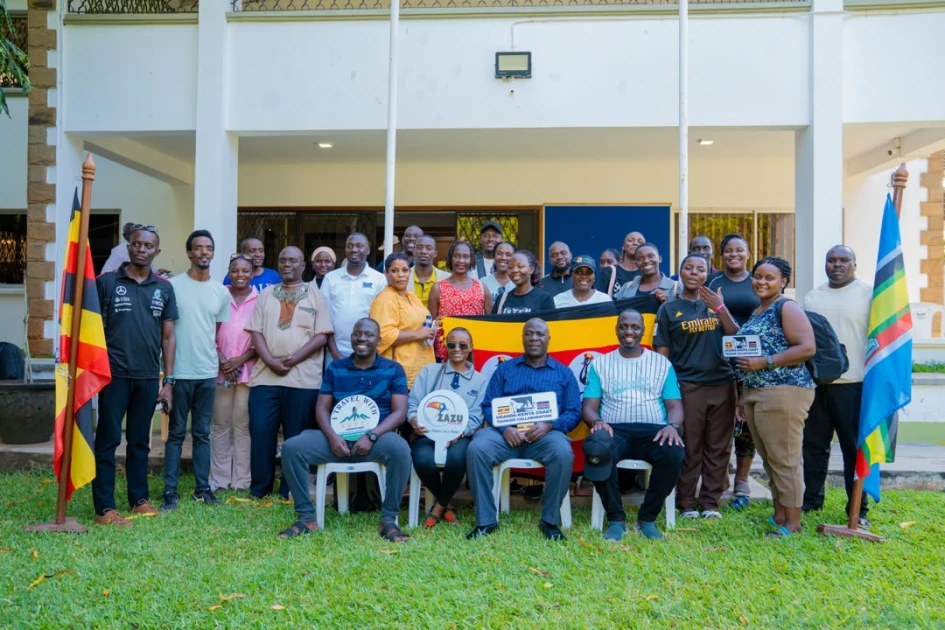
The fifth Uganda–Kenya Coast Tourism and Innovation Summit, held on October 26–27, 2026, at Sarova Whitesands Beach Resort and Spa in Mombasa, put that possibility at the centre. Organisers described the meeting as a move towards practical cooperation, with attention to technology, youth participation, investment and the removal of policy barriers affecting regional tourism.
The summit brought together tourism stakeholders from Kenya and Uganda to discuss ways of strengthening connections between destinations and businesses. Its focus extended beyond destination promotion to questions about how travellers, operators and investors could work together more effectively. The initiative matters because tourism does not operate in isolation within national borders. Travellers may want to combine several destinations during one holiday, while tour operators, hotels and transport companies need efficient ways to coordinate services across countries.
For Kenya, stronger links with Uganda could help coastal tourism businesses explore new regional markets. For Uganda, cooperation with Kenya’s coast could create opportunities to connect inland wildlife and cultural experiences with beach holidays. However, a summit and a shared ambition do not automatically translate into increased visitor numbers. The longer-term results will depend on whether stakeholders can address practical barriers, develop attractive products and convert discussions into services that travellers can easily book and use.
What Happened at the Uganda–Kenya Coast Tourism Summit?
The summit was presented as the fifth edition of a collaboration involving the Consulate General of Uganda in Mombasa and tourism stakeholders from Uganda and Kenya’s coast.
According to the event’s official website, the initiative has developed a network of tour operators, travel agents, hoteliers and tourism organisations through previous editions. The 2026 meeting was elevated to a summit, with an emphasis on practical action rather than promotion and networking alone.
The event’s theme, Unlocking Tourism Opportunities: Resolving Policy Bottlenecks through Technology, Youth and Seamless Mobility across East Africa, reflected the issues organisers wanted participants to address.
These priorities are relevant to businesses that want to sell cross-border travel packages. A company may have a strong itinerary and suitable accommodation partners, but the experience can become difficult to coordinate if transport arrangements, visitor information, booking systems or applicable entry requirements are unclear. Technology could help address some of these problems. Shared booking tools, digital destination information and better communication between operators may make it easier to coordinate a trip that includes several locations.
Youth participation is another important issue. Young people already work in areas such as tour guiding, hospitality, digital marketing, transport and travel technology. Better regional connections could create opportunities for entrepreneurs who understand both the tourism sector and the digital tools used to reach modern travellers. Nevertheless, the practical outcomes of the summit should be judged by the agreements implemented, services launched and barriers addressed after the event. Discussions and proposed partnerships are useful starting points, but they should not be presented as completed reforms without evidence.
Why Kenya’s Coast Could Benefit From Stronger Regional Travel Links
Kenya’s coast offers a combination of beaches, marine activities, Swahili heritage, historic towns and hospitality businesses. Mombasa, Diani, Watamu and other coastal destinations serve different types of visitors, from holidaymakers seeking relaxation to travellers interested in culture, history and nature.
For tourism businesses, the challenge is to attract visitors beyond traditional markets and encourage travellers to explore more than one destination during their stay. A stronger Kenya–Uganda tourism partnership could create opportunities for coastal operators to work with Ugandan tour companies and travel agents. Instead of marketing a beach holiday as a standalone product, businesses could develop packages that connect coastal experiences with wildlife, cultural and nature-based activities elsewhere in the region.
Such packages could appeal to travellers who want variety without organising every part of the trip independently. They might also create opportunities for hotels, transport companies, restaurants, guides and activity providers to cooperate across destinations. However, the appeal of a combined itinerary depends on the travel experience. Connections must be practical, costs transparent and arrangements reliable. If a package requires difficult transfers or poorly coordinated bookings, travellers may prefer a simpler holiday.
Coastal businesses should therefore consider not only how to attract new visitors but also how to improve the products they offer. Clear information, dependable transport, accessible booking systems and consistent service quality can influence whether a traveller chooses a destination and recommends it to others. Regional cooperation offers a possible route to a broader market, but the quality of the visitor experience will remain central to its success.
How Uganda Could Complement Kenya’s Tourism Products
Uganda has tourism attractions that differ from those most commonly associated with Kenya’s coast. These include gorilla trekking in suitable protected areas, wildlife viewing, birdwatching, lake experiences and cultural activities. Combining destinations with different attractions can give travellers a more varied holiday. A visitor interested in wildlife and nature, for example, might consider an itinerary that includes a safari experience and time on the coast, provided the transport connections, budget and available travel days make the combination practical.
For tour operators, this creates opportunities to build partnerships rather than attempting to provide every service independently. A Kenyan company could cooperate with a reliable Ugandan operator that has local expertise, guides and established relationships with accommodation providers. These arrangements can help each business concentrate on its strengths while offering clients a broader itinerary. They can also create opportunities for joint marketing, shared destination information and referrals between operators.
Yet cross-border packages require careful planning. Wildlife activities may involve different permits, conservation rules, schedules and costs. Transport arrangements must account for actual journey times, border procedures and the needs of travellers. Operators must also explain the requirements that apply to their clients’ nationalities. Entry permissions, identification documents, visa arrangements and other travel conditions can change, so businesses should direct travellers to current official guidance rather than rely on assumptions. The opportunity is to make regional travel more attractive without hiding the practical details that determine whether a holiday will run smoothly.
Can Technology Make East African Tourism Easier to Book?
Digital technology has changed how travellers discover destinations, compare prices and arrange holidays. Many visitors now research accommodation, read reviews, watch travel videos and contact operators before deciding where to go.
For regional tourism, technology could help businesses present combined itineraries more clearly. A traveller interested in both Uganda and Kenya’s coast could benefit from a single itinerary page explaining the destinations, transport arrangements, accommodation options, inclusions and total estimated costs. Digital systems can also help operators coordinate bookings and communicate changes. Where several companies are involved, reliable information-sharing can reduce confusion about schedules, room availability and transfers.
Small businesses could benefit from relatively straightforward tools such as online enquiry forms, booking management systems, digital payments and customer relationship platforms. Search engine optimisation can help potential visitors discover relevant packages when researching regional holidays. However, technology alone will not solve every barrier. Businesses need accurate information, dependable service partners and staff who can manage bookings effectively. An attractive website cannot compensate for unreliable transport or unclear cancellation terms.
Digital access and payment options also matter. Travellers should understand the currency, accepted payment methods, deposit requirements and refund conditions before committing to a package. Tourism operators should protect customer information and use secure booking and payment systems. As more travel arrangements move online, safeguarding personal and financial information becomes part of maintaining customer trust. If regional cooperation leads to practical improvements in these areas, technology could make it easier for travellers to compare options and for smaller tourism businesses to reach new markets.
What Could the Partnership Mean for Jobs and Young Entrepreneurs?
Tourism supports employment across a wide range of activities, including accommodation, transport, guiding, food services, conservation, entertainment and marketing. Stronger regional links could create additional business opportunities if they lead to more bookings and longer or more varied itineraries.
Young entrepreneurs may be well placed to participate in these changes. Some could develop specialised travel packages, while others might provide digital marketing, photography, translation, booking support or transport coordination services. Tour guides and local experience providers could also benefit when tour operators include community-based attractions in their itineraries. However, the benefits will depend on how packages are designed and whether local businesses receive fair opportunities to participate.
Tourism training institutions could support the sector by strengthening skills in customer service, digital marketing, sustainable tourism and business management. Knowledge of regional destinations and travel requirements would also be useful for workers coordinating cross-border itineraries. It is important, however, not to assume that a tourism summit immediately creates jobs. Employment gains depend on actual business activity, visitor demand and the ability of companies to operate profitably.
Small operators may also face barriers such as limited marketing budgets, difficulties obtaining financing and the cost of meeting quality standards. Partnerships can help businesses share expertise and reach new customers, but they must be commercially viable. The real measure of success will be whether regional cooperation leads to new contracts, stronger local businesses, improved services and sustainable employment rather than remaining a discussion among industry stakeholders.
The Challenges That Could Slow Cross-Border Tourism
Even when neighbouring countries have complementary attractions, visitors may encounter practical barriers when arranging a combined holiday. These can include transport costs, scheduling difficulties, unclear information, inconsistent booking arrangements and uncertainty about entry requirements.
Tourism operators must ensure that customers understand what is included in a package and which services are supplied by partner companies. They should also explain cancellation conditions, travel insurance considerations, transfers and any additional fees that may apply. Transport connections are particularly important. An itinerary that appears attractive on paper may be less appealing if it involves lengthy or poorly coordinated journeys. Operators should use verified schedules and realistic travel times when designing packages.
Businesses must also maintain consistent service standards. Accommodation quality, guide expertise, customer communication and safety procedures can vary between providers. Partnerships should therefore be based on due diligence and clear agreements. Conservation is another consideration. Tourism growth should not undermine the natural and cultural attractions that visitors come to experience. Wildlife activities must follow applicable conservation rules, while coastal businesses need to consider waste management, water use and the protection of marine environments.
Regional tourism should also provide benefits to local communities. Where possible, operators can work with local guides, restaurants, cultural practitioners and community-based enterprises in ways that respect local customs and provide fair compensation. Addressing these issues requires coordination among businesses, public agencies and tourism organisations. It is a longer process than announcing a partnership, but it is essential if regional tourism is to grow responsibly.
What Travellers Should Know Before Booking a Combined East African Holiday
Travellers considering a holiday that combines Kenya and Uganda should begin by deciding what they want from the trip. Some may prioritise wildlife and nature, while others may prefer beaches, cultural attractions or a combination of different experiences. The itinerary should reflect the available time and budget. Travellers should account for transport between destinations, accommodation, activities, meals and other expenses rather than comparing packages only by their advertised starting prices.
It is also important to confirm current entry requirements through official government sources. The relevant documents and permissions may depend on nationality, the purpose of travel and the countries included in the itinerary. Before making a payment, travellers should verify the tour operator’s identity, check the services being offered and obtain written confirmation of the itinerary. They should understand the cancellation policy and know whom to contact if transport or accommodation arrangements change.
Travel insurance may also be worth considering, depending on the activities planned and the traveller’s circumstances. Wildlife excursions, adventure activities and international travel can involve risks that should be understood before departure. Finally, travellers should ask how the itinerary supports local communities and protects natural attractions. Choosing responsible operators can help ensure that tourism benefits extend beyond the businesses directly selling the holiday.
What Comes Next for Kenya–Uganda Tourism Cooperation?
The Mombasa summit provides a timely opportunity to examine how Kenya and Uganda could make regional tourism more connected and commercially effective. Both countries have attractions that can complement one another, while operators have incentives to reach new customers and develop differentiated travel products. The immediate task is turning discussions about technology, mobility and investment into practical improvements. That may involve stronger relationships between tour operators, more reliable travel information, better booking coordination and clearer communication about travel requirements.
For Kenya’s coast, the opportunity lies in connecting its beach and cultural experiences with a wider regional offering. For Ugandan businesses, cooperation could create new ways to reach travellers interested in combining nature and wildlife experiences with coastal holidays. The benefits are possible, but they are not automatic. They will depend on demand, service quality, effective partnerships and the removal of real barriers faced by travellers and businesses. For visitors, stronger regional cooperation could eventually make it easier to plan a varied East African holiday. For businesses, it could open new markets and encourage collaboration. For communities, responsible growth could create opportunities in hospitality, guiding, transport and related services. The success of the initiative will ultimately be determined not by the number of meetings held, but by the quality of the travel experiences and business opportunities that follow.



