

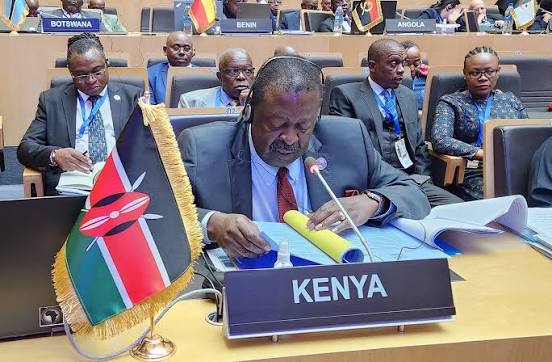
Kenya is set to take a more prominent role in Africa’s efforts to prevent and resolve conflicts as the African Union convenes an Extraordinary Summit in Luanda, Angola, on August 30,2026.
Prime Cabinet Secretary and Cabinet Secretary for Foreign and Diaspora Affairs Musalia Mudavadi will represent President William Ruto at the 21st Extraordinary Session of the Assembly of the African Union, which will focus on strengthening mechanisms for conflict prevention and resolution across the continent.
The summit comes at a critical time for Africa, with several countries facing armed conflicts, political instability, terrorism and tensions that threaten regional peace and economic development. The meeting is expected to consider practical measures to improve the continent’s ability to anticipate crises, manage conflicts and support lasting political settlements.
Beyond addressing individual conflicts, the summit will test the AU’s capacity to provide effective African-led responses to the continent’s security challenges.
For Kenya, the meeting provides an important diplomatic platform to advance its longstanding position that African conflicts should be resolved through dialogue, mediation and political negotiations.
Kenya has traditionally played an active role in regional peace and security efforts, particularly within East Africa. Nairobi has also sought to strengthen its contribution to continental diplomacy by participating in peace initiatives and advocating for multilateral approaches to Africa’s challenges.
Mudavadi is also expected to use the meeting to advance Kenya’s interests in regional integration and Africa’s wider development agenda.
The link between peace and development is increasingly important as conflicts disrupt trade, investment, infrastructure development and regional economic integration. Persistent instability can also worsen humanitarian crises and undermine efforts to achieve the continent’s development goals.
Kenya’s participation comes shortly after the country attained Tier One status within the African Union, an important milestone that is expected to give Nairobi greater influence in continental decision-making.
The elevation provides Kenya with a stronger platform to shape discussions on issues affecting Africa and contribute more prominently to the formulation of AU policies and priorities.
It also comes as President Ruto’s administration seeks to position Kenya as a stronger voice in continental and international affairs, with diplomacy increasingly focused on peace and security, regional integration, economic development, climate action and multilateral cooperation.
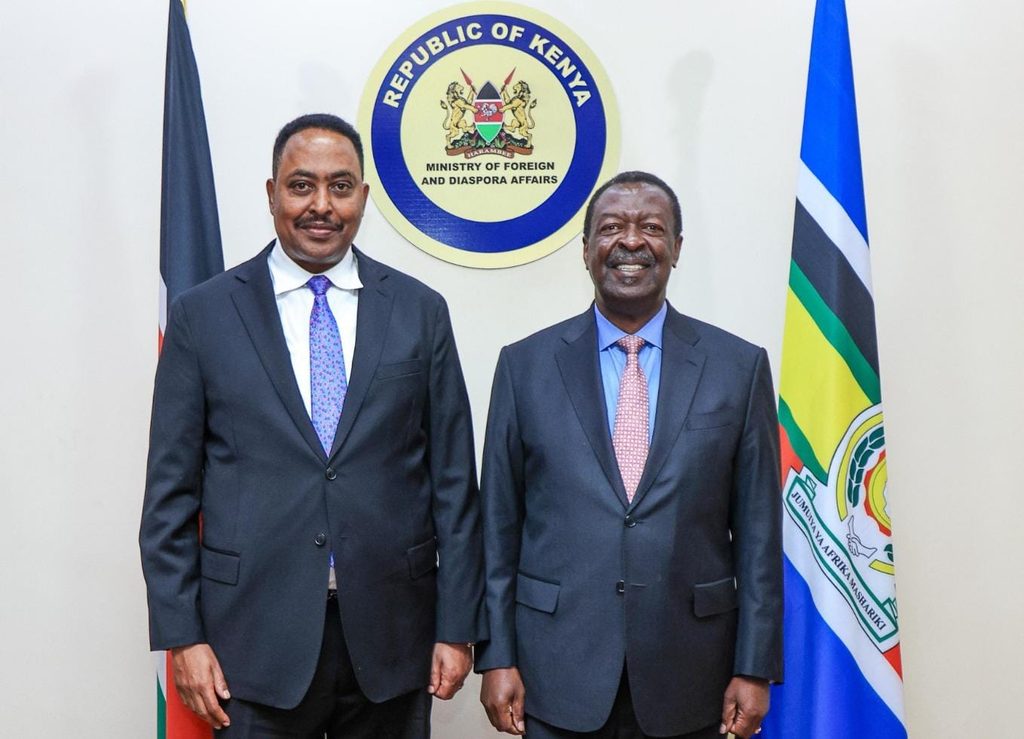
The Luanda summit will therefore provide an opportunity for Nairobi to demonstrate how it intends to use its enhanced standing within the AU.
For Kenya, greater influence at the continental level also comes with increased expectations. The country will be under pressure to translate its diplomatic engagement into practical initiatives that support regional stability and advance its economic and strategic interests.
The summit is equally significant for the AU as the continent seeks to strengthen its own institutions for managing crises.
Africa’s ability to prevent conflicts before they escalate remains a major test for the continental body. Effective early-warning systems, mediation, political dialogue and stronger cooperation among member states will be critical to addressing emerging threats.
Kenya’s engagement in Luanda could therefore help shape the debate on how the AU can make its peace and security architecture more effective.
The Extraordinary Summit offers Nairobi an opportunity to consolidate its growing continental influence while working with other African countries to strengthen collective responses to the challenges facing the continent.
At stake is not only the management of existing conflicts but the AU’s broader ambition to build a more peaceful, stable, and integrated Africa.



