
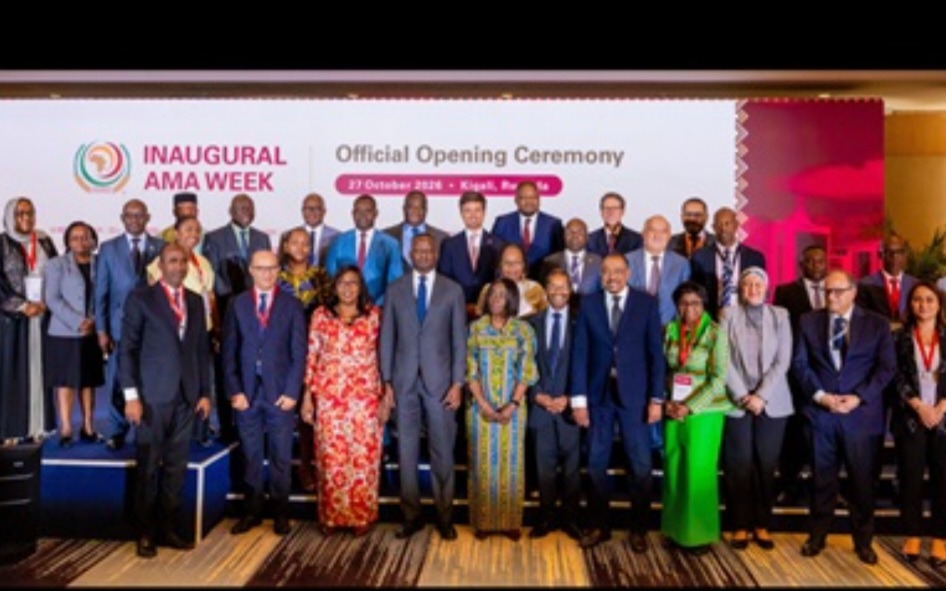

Africa is taking steps towards strengthening its pharmaceutical regulatory systems through greater cooperation among national medicines regulators, as the World Health Organization (WHO) and the African Medicines Agency (AMA) push for harmonised standards to improve access to safe, effective and quality-assured medical products across the continent.
The move follows the inaugural African Medicines Agency (AMA) Week and the 11th African Medicines Regulators Conference (AMRC), held in Kigali, Rwanda, from October 25 to 30, 2026. The gathering brought together regulators, policymakers, pharmaceutical industry representatives and international partners to advance continental efforts towards more coordinated medicines regulation.
A key development was the inauguration of seven technical committees within the African Medicines Agency, marking progress towards establishing a more coordinated regulatory framework for medicines, vaccines, medical devices and other health products.
The committees will provide independent scientific expertise across critical regulatory functions, including the evaluation of medicines and vaccines, clinical trial oversight, pharmaceutical inspections, safety monitoring and medical device regulation.
The development comes as African countries seek to address fragmented regulatory processes that can affect the availability and timely approval of essential medical products across national borders.
Speaking through a video message, WHO Director-General Dr Tedros Adhanom Ghebreyesus highlighted progress in strengthening national regulatory authorities, noting that 10 African countries have attained Maturity Level 3 under WHO’s Global Benchmarking Tool.
The designation indicates that these national regulatory authorities have established stable, well-functioning and integrated regulatory systems capable of performing essential regulatory functions.
Dr Tedros reaffirmed WHO’s commitment to supporting the African Medicines Agency and national regulatory authorities, while calling for sustained political and financial investment and broader ratification of the AMA Treaty to accelerate the agency’s operationalisation.
Beyond institutional cooperation, the Kigali meeting also saw the introduction of two initiatives aimed at strengthening Africa’s pharmaceutical manufacturing capacity and technical expertise.
These include the Regulatory Innovation and Manufacturing Readiness Hub and the Capacity Strengthening Hub. The initiatives are intended to support local pharmaceutical production, facilitate early scientific advice and build regulatory skills across African countries.
The emphasis on local manufacturing comes amid growing attention to Africa’s ability to develop, produce and regulate essential medical products within the continent, reducing dependence on external supply chains.
WHO also co-convened the 11th African Medicines Regulators Conference with AMA, providing a platform for countries to advance regulatory harmonisation, convergence and reliance.
Regulatory reliance allows national authorities to draw on assessments and decisions made by other trusted regulatory bodies while retaining responsibility for their own regulatory decisions. Such cooperation can help reduce duplication of regulatory work and strengthen the efficient use of limited technical resources.
Representing WHO at the meeting, Hiiti Sillo, Head of the Regulation and Safety Unit and Acting Director of the Regulation and Prequalification Department, stressed that strong national regulatory authorities remain fundamental to the success of the continental agency.
He highlighted the need to invest in African regulatory expertise, strengthen trust among national authorities and ensure that regulatory cooperation translates into measurable public health benefits.
The latest developments build on a Framework Agreement for Collaboration signed between WHO and AMA in May 2026, followed by a five-year joint operational plan outlining areas for coordinated action.
The partnership focuses on strengthening regulatory capacity, improving safety surveillance, tackling substandard and falsified medical products and supporting pharmaceutical innovation and local manufacturing.
Substandard and falsified medical products remain a public health concern because they can expose patients to ineffective or unsafe treatments, undermine confidence in health systems and complicate efforts to control diseases.
Through stronger regulatory oversight and information-sharing, the two institutions aim to improve the ability of African countries to identify, assess and respond to risks associated with medical products.
As the African Medicines Agency advances its operationalisation, WHO says it will continue providing technical expertise, internationally recognised standards and capacity development to support African-led regulatory solutions.
The broader objective is to establish a more coordinated continental regulatory ecosystem in which national authorities work together to improve the quality, safety and availability of medical products.
For African health systems, the success of this cooperation will ultimately depend on whether institutional commitments translate into stronger national regulatory institutions, more efficient approval processes and improved access to quality-assured medicines and vaccines for populations across the continent.
.



