As cities expand and millions more people move into urban areas, the World Health Organization (WHO) is strengthening the capacity of local authorities and health professionals to address the growing health risks associated with urban development.
The organisation has trained 73 participants from 27 countries across all six WHO regions through a four-week programme designed to help cities identify gaps in their health systems and develop practical responses to improve health and equity.
The training, jointly delivered by the WHO Academy and WHO Urban Health Unit for the second consecutive year, comes as urbanisation accelerates globally, placing growing pressure on housing, sanitation, transport systems and environmental infrastructure.
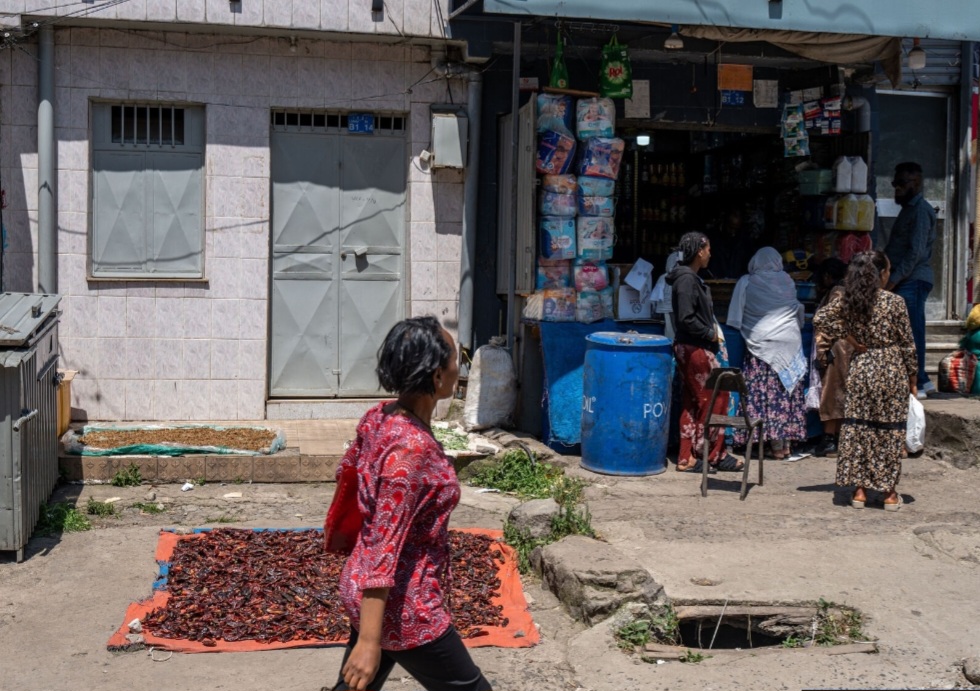
More than half of the world’s population currently lives in urban areas, a figure projected to reach 68 per cent by 2050. While cities offer opportunities for economic growth, better healthcare access and social development, poorly managed urban expansion can expose communities to air pollution, extreme heat, inadequate sanitation, unsafe transport and living conditions that increase the risk of noncommunicable diseases and injuries.
WHO says addressing these challenges requires cities to look beyond traditional healthcare delivery and recognise how decisions in other sectors influence people’s health.
The programme was based on the organisation’s Urban Health Capacity Assessment and Response Resource Kit, which provides guidance for assessing the ability of cities to identify and respond to health challenges linked to urban environments.
Participants were selected from more than 120 applications and included representatives from city health departments, national ministries, civil society organisations, academic institutions and WHO country offices.
Through four online sessions, each lasting two hours, participants worked in groups to apply the resource kit to urban health priorities within their respective contexts. They also examined experiences from cities including Greater Accra, Enugu State, Gwangju Dong-gu, Kwekwe, Lira, London, Suva and Utrecht.
The practical sessions enabled participants to move beyond theoretical discussions and develop draft plans for initiating urban health capacity assessments in their own settings. Participants also made written commitments that the cohort will monitor as they work towards implementing their proposed assessments.
WHO Technical Lead for Urban Health, Dr Nathalie Roebbel, said building healthier cities requires institutions and professionals capable of working across sectors to address the factors shaping people’s health.
“Creating healthier cities requires more than technical solutions. It requires people and institutions that can work across sectors, understand where capacity is strongest and where gaps remain, and turn that knowledge into coordinated action,” she said.
She added that the training is helping establish a global community of practitioners equipped to integrate health and equity into urban development.
The initiative comes at a critical time as countries prepare for COP31 in Türkiye and the next World Urban Forum in Mexico City, with growing attention on translating international climate and development commitments into practical action within communities.
With the 2030 deadline for the Sustainable Development Goals approaching, WHO is emphasising the importance of strengthening local institutions to deliver healthier and more equitable urban environments.
The second cohort builds on the first year’s programme by expanding the number of professionals able to use and adapt the assessment resource kit at local and national levels. It is also developing a new generation of trainers who can extend the approach to additional cities and institutions.
The next training programme is scheduled for 2027, as WHO continues efforts to ensure that urban development places people’s health, safety and well-being at the centre of decision-making.