

Egypt has pledged support for Saudi Arabia amid escalating Houthi attacks, raising the prospect of a wider regional confrontation as the Iran war intensifies pressure on Middle Eastern security, energy infrastructure and international shipping routes.
The decision by Egypt’s National Defence Council signals growing coordination among Arab states seeking to contain the conflict and protect strategic economic interests. However, Cairo has not clarified whether its assistance will involve military equipment, intelligence sharing, logistical support or the possible deployment of troops.
The announcement comes as Saudi Arabia faces renewed missile and drone attacks attributed to Yemen’s Iran-backed Houthi movement, while fighting has intensified across Yemen, threatening to open another front in an already volatile regional conflict.
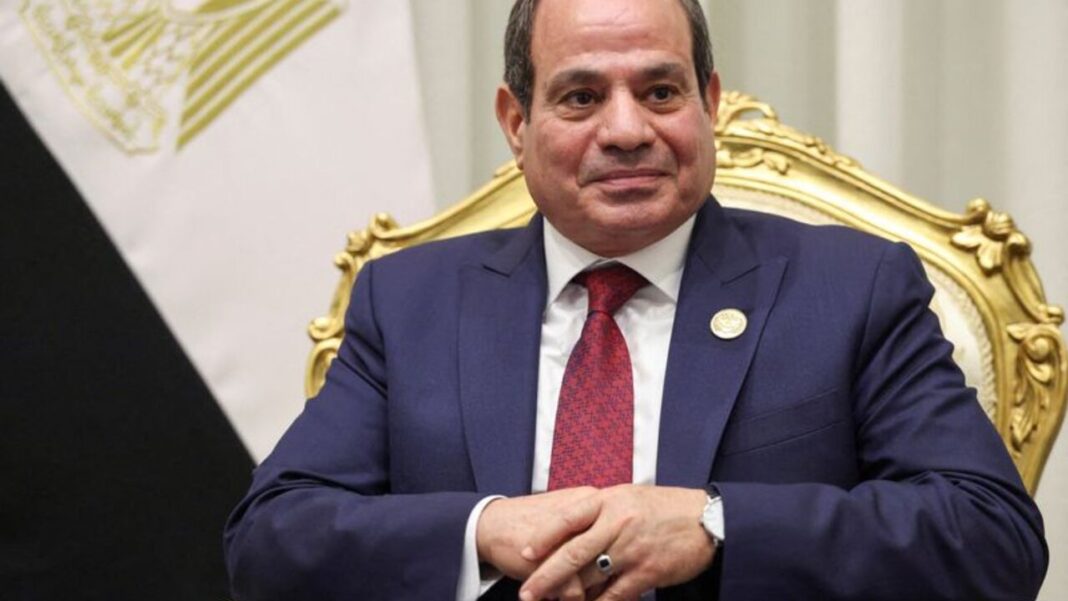
Egyptian President Abdel-Fattah el-Sissi chaired the National Defence Council, which agreed to provide “all possible forms of support” to help Saudi Arabia safeguard its security, according to a presidential statement.
The move followed a visit by Saudi Crown Prince Mohammed bin Salman to Egypt last month. On Saturday, el-Sissi also asked parliament to authorise the deployment of Egyptian troops and military equipment abroad, although it remains unclear whether the request is directly linked to the latest commitment to Riyadh.
The development underscores the strategic importance of the Egypt-Saudi relationship as regional governments confront the security and economic consequences of the war involving Iran and its allies.
Arab security alliances under pressure
Saudi Arabia has been seeking assistance from regional partners as Houthi attacks threaten airports, oil installations and residential areas across the kingdom.
The attacks have reportedly killed at least 19 people, disrupted thousands of flights and unsettled global markets, increasing concerns over the vulnerability of energy infrastructure and transport networks in the Gulf.
For Riyadh, the challenge extends beyond intercepting incoming missiles and drones. The escalation threatens to undermine regional stability at a time when Saudi Arabia is pursuing economic diversification, infrastructure investment and plans to reduce its dependence on oil revenues.
Egypt’s involvement could strengthen Saudi Arabia’s diplomatic and security position, although the extent of Cairo’s contribution remains uncertain.
The two countries also share an interest in protecting maritime trade. Yemen’s location near the Bab el-Mandeb Strait, which connects the Red Sea to the Gulf of Aden, gives the conflict implications far beyond the Arabian Peninsula.
Disruption around the strait could affect shipping between Europe and Asia, increasing freight costs and insurance premiums while placing additional pressure on global supply chains.
Egypt has particular economic stakes in the security of Red Sea shipping because traffic through the Suez Canal generates vital foreign exchange. Prolonged instability along the route could therefore compound the country’s existing economic pressures.
Saudi Arabia and the UAE seek closer coordination
Saudi Arabia’s diplomatic engagement with regional partners is also taking place against the backdrop of strained relations with the United Arab Emirates.
On October 18, Saudi Arabia’s defence minister met UAE President Mohamed bin Zayed Al Nahyan to discuss strengthening cooperation, according to the UAE’s state news agency, WAM.
The meeting is significant because Riyadh and Abu Dhabi have supported different factions within the Yemeni coalition opposing the Houthis, reflecting competing priorities over Yemen’s political future and regional influence.
Greater coordination between the Gulf powers could strengthen efforts to contain the Houthi threat. However, differences over Yemen’s political settlement and competing strategic interests could complicate a unified response.
The conflict has also exposed the limits of military pressure in resolving Yemen’s prolonged civil war, which has fragmented the country and left millions of people dependent on humanitarian assistance.
Civilian casualties deepen the crisis
Fighting has intensified in several parts of Yemen, including Aden, the interim capital of the internationally recognised government, where the airport and a palace used by government officials have reportedly come under attack.
In northern Yemen, a strike on Sunday killed at least nine people, including five children and two women, in the Houthi-controlled province of Saada, according to the rebels’ Health Ministry.
The ministry’s spokesperson, Anees al-Asbahi, said the attack hit a house in Sahar district, wounding 19 people, including 11 children. Some of the injured were reportedly in critical condition.
Al-Asbahi blamed Saudi Arabia for the strike, but the kingdom had not immediately commented on the allegation.
Houthi authorities also claimed that Saudi-led attacks had killed or wounded more than 30 people over the preceding 24 hours. Their military spokesperson, Brigadier General Yahya Saree, alleged that 110 missiles or airstrikes had targeted civilian sites in Sanaa and other cities. The claims could not be independently verified.
In Saudi Arabia, a projectile fired by the Houthis landed in a residential area of Najran province, injuring six people, according to the kingdom’s Civil Defence authorities.
A Saudi military spokesperson separately reported that a helicopter gunship had crashed near Najran, killing its two crew members. The spokesperson attributed the incident to a technical malfunction, while the Houthis claimed they had shot it down.



