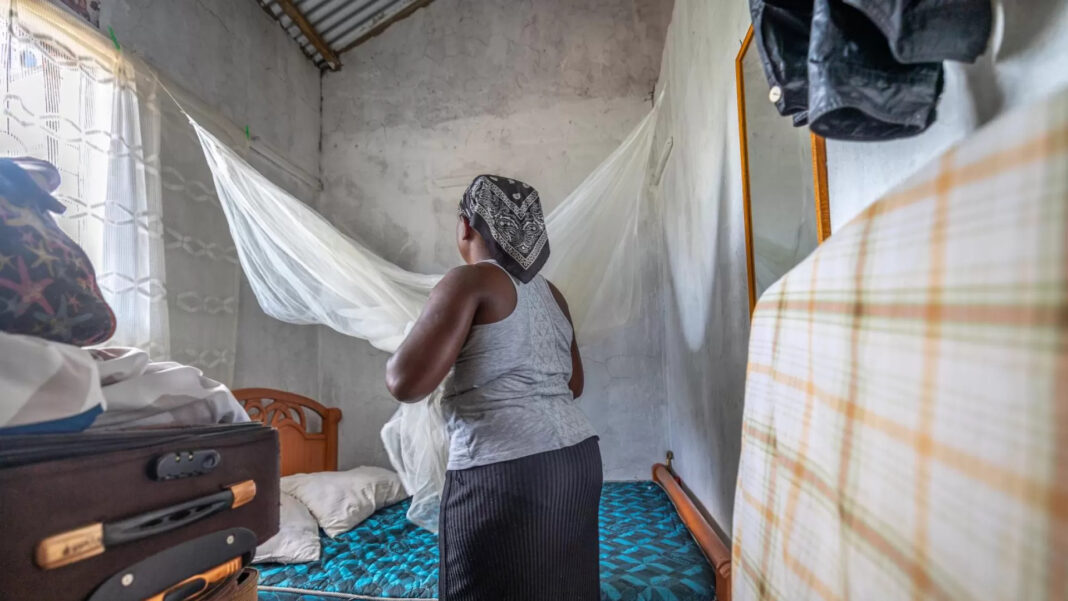

Kenya has launched a nationwide campaign to distribute nearly 10.8 million insecticide-treated mosquito nets across 18 malaria-endemic counties in an intensified effort to reduce infections and protect vulnerable households.
The 2026-2027 campaign, launched on November 19 at Bayula Stadium in Sirisia Sub-County, Bungoma County, will cover 99 sub-counties, targeting communities facing a high burden of malaria.
The distribution comes amid declining household access to mosquito nets, raising concerns about the country’s malaria prevention efforts.
Findings from the 2025-2026 Kenya Mini Demographic and Health Survey show that only 41 per cent of households own at least one insecticide-treated net, down from 54 per cent in 2022.
The survey also found that just 42 per cent of children under five and 39 per cent of pregnant women slept under a mosquito net the night before the survey, highlighting gaps in protection among populations most vulnerable to severe malaria.
The new distribution programme is expected to improve access to preventive tools, particularly in counties with high malaria transmission rates.
A key feature of the campaign is the introduction of dual active ingredient mosquito nets in areas where mosquitoes have developed resistance to conventional insecticides.
Unlike traditional nets, the newer products contain two insecticides with different modes of action, improving their effectiveness against mosquitoes that have developed resistance to commonly used chemicals.
The World Health Organisation (WHO) issued recommendations on the use of these nets in March 2023, as malaria-endemic countries increasingly adopt alternative insecticide technologies to strengthen vector control.
The Ministry of Health is implementing the exercise in partnership with county governments and development agencies. Distribution allocations are based on population requirements, malaria transmission patterns and insecticide resistance levels to ensure that communities receive nets appropriate to their risk.
The government will also use the Digimal KE digital platform to verify households, track net distribution and monitor implementation in real time.
Principal Secretary for Public Health and Professional Standards Mary Muthoni Muriuki urged households to collect their allocated nets and use them consistently.
“Communities are urged to participate in the exercise, collect their allocated nets, and sleep under them every night, throughout the year,” she said.
WHO Representative in Kenya Dr Neema Rusibamayila Kimambo said consistent use of mosquito nets remains essential in preventing malaria infections, particularly among children and pregnant women.
She welcomed the introduction of dual active ingredient nets, saying the technology would help address insecticide resistance and strengthen malaria prevention in affected communities.
Kenya’s latest intervention builds on progress under the 2023-2027 Kenya Malaria Strategy, which targets an 80 per cent reduction in malaria incidence and a 90 per cent reduction in malaria deaths from 2023 levels by 2027/2028.
Confirmed malaria cases declined by 34 per cent, from 5.54 million in 2023 to 3.64 million in the latest reported year.
Malaria incidence among children under five also fell from 194 to 119 cases per 1,000 population, while testing coverage through microscopy and rapid diagnostic tests has expanded to nearly 90 per cent of suspected cases.
Despite the progress, malaria remains a major public health challenge, particularly in western Kenya and other regions with sustained transmission.
The country’s campaign comes against a backdrop of a growing malaria burden across Africa. WHO estimates that the world recorded 282 million malaria cases and 610,000 deaths in 2024.
The WHO African Region accounted for 94 per cent of global cases and 95 per cent of deaths, with children under five representing approximately three-quarters of malaria fatalities in the region.
The figures underscore the importance of sustained investment in prevention, early diagnosis, effective treatment and improved access to mosquito nets.
Muriuki said eliminating malaria would require stronger collaboration between national and county governments, development partners and communities.
“The fight against malaria requires collective responsibility, sustained investment, and strong partnerships. Together we can protect households, save lives, and accelerate Kenya’s journey towards a malaria-free future,” she said.