

The United Arab Emirates is stepping up diplomatic engagement with African leaders to secure support for its candidate, Lana Zaki Nusseibeh, in the race to become the next Secretary-General of the United Nations, highlighting the strategic importance of African votes in determining the leadership of the world body.
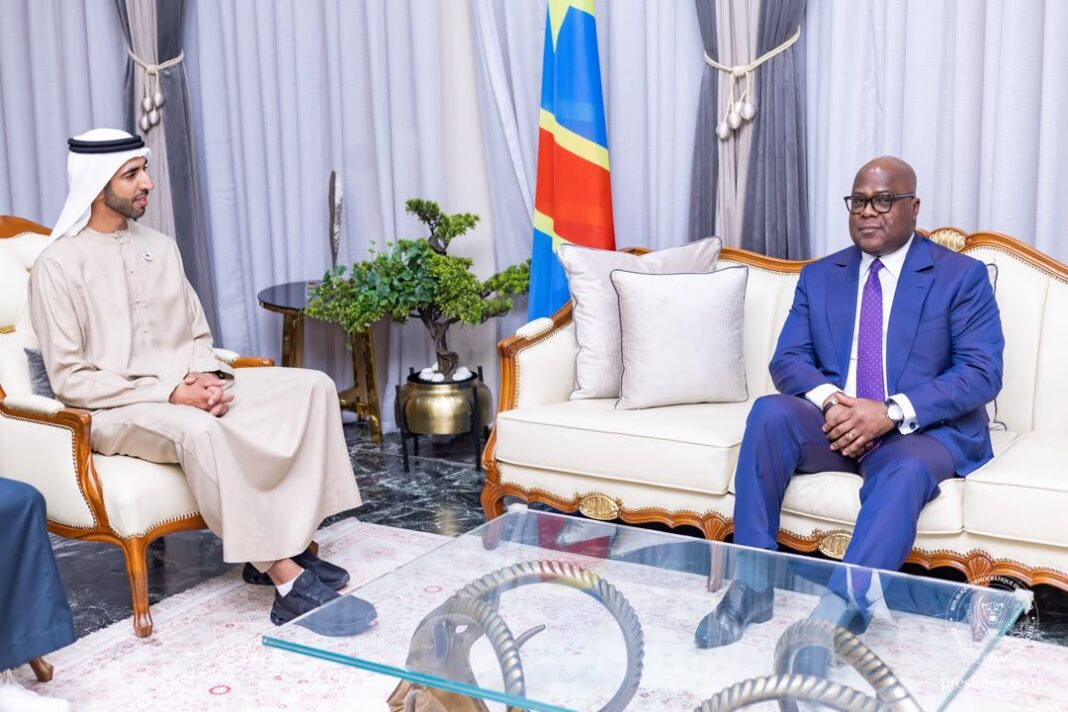
The latest engagement involved Democratic Republic of Congo President Félix-Antoine Tshisekedi, who received Sheikh Shakhbout Bin Nahyan Al Nahyan, the UAE Minister of State at the Ministry of Foreign Affairs, at the African Union headquarters. Sheikh Shakhbout carried a message from UAE President Sheikh Mohamed Bin Zayed Al Nahyan.
The meeting focused on Nusseibeh’s candidacy for the UN’s top diplomatic position, with Tshisekedi welcoming her bid and citing her extensive diplomatic experience, particularly more than a decade serving as the UAE’s ambassador and permanent representative to the United Nations.
The encounter underscores Abu Dhabi’s efforts to build political support across Africa as competition for the next UN chief gathers momentum. African governments are a critical constituency in the selection process, given the continent’s representation among UN member states and its growing demands for a stronger voice in international decision-making.
Nusseibeh, a senior UAE diplomat and Minister of State, brings experience in multilateral diplomacy and negotiations at the United Nations. Her supporters can be expected to present that background as an advantage in navigating an increasingly divided international system marked by conflicts, competing geopolitical interests and disputes over the effectiveness of global institutions.
For the UAE, securing African backing would strengthen its campaign beyond its established diplomatic and economic relationships on the continent. The country has expanded its engagement with African governments through investment, trade, ports, logistics, energy and development partnerships, giving its diplomatic outreach a wider economic and strategic context.
However, support from individual African leaders does not automatically translate into a unified continental position. African governments have differing foreign-policy priorities, security partnerships and economic interests, while the African Union has its own processes for developing common positions on international affairs.
The Democratic Republic of Congo’s positive reception of Nusseibeh’s candidacy is therefore an important diplomatic signal, but it does not establish that the UAE has secured collective African Union endorsement or the backing of all African states.
The campaign also raises questions about how African governments will balance bilateral partnerships with broader continental priorities. These include demands for reform of the UN Security Council, greater African representation in global governance, stronger action on conflicts and more equitable access to international financing.
Africa has long argued that the structure of the UN Security Council does not adequately reflect contemporary geopolitical realities. The continent has no permanent seat on the 15-member council, despite its central role in the organisation’s peacekeeping, conflict-resolution and development agendas.
The next Secretary-General will face pressure to address conflicts, humanitarian emergencies, climate-related challenges and declining confidence in multilateral institutions. African countries are likely to assess candidates not only on diplomatic experience but also on their positions regarding international law, conflict prevention, development financing and reform of the United Nations.
The Secretary-General is appointed by the UN General Assembly upon the recommendation of the Security Council. Consequently, endorsements from African capitals can contribute to a candidate’s diplomatic momentum, but they cannot independently determine the outcome. The five permanent members of the Security Council retain veto powers over the recommendation.
For Abu Dhabi, the outreach to Tshisekedi illustrates the importance it attaches to African diplomatic support as it advances Nusseibeh’s candidacy. Whether that engagement develops into broader continental backing will depend on further consultations and how African governments weigh the UAE’s proposal against their own priorities for the future of the United Nations.



