
As COP31 opens with a dedicated Health Day, WHO warns that billions of people remain exposed to climate-related health risks despite evidence that targeted interventions could save 1.6 million lives annually.
A child growing up in a community struggling with extreme heat, a pregnant woman travelling long distances to reach a health facility during floods, or an older person breathing polluted air in a crowded city may appear to be experiencing different health challenges.
But increasingly, these experiences are connected by one crisis: climate change.
Beyond rising temperatures, unpredictable rainfall and environmental destruction, the climate crisis is placing growing pressure on the health systems expected to protect people from its consequences.
For vulnerable communities, the consequences are already being felt through exposure to extreme heat, deteriorating air quality, climate-sensitive diseases, food insecurity and disruptions to essential healthcare services.
Yet, as world leaders gather for the 31st Conference of the Parties to the United Nations Framework Convention on Climate Change (COP31), the World Health Organization (WHO) says the challenge is no longer simply understanding the relationship between climate change and health. It is acting on the evidence.
On Monday, 9 November, health takes centre stage as COP31 opens with a dedicated Health Day, bringing together government ministers, country delegations, technical experts and civil society representatives to examine how climate policies can better protect human health.
The gathering comes against a troubling global picture. Approximately 3.5 billion people live in areas highly vulnerable to climate change, while more than 90 per cent of deaths from climate-related disasters over the past two decades have occurred in developing countries.
Air pollution, much of it linked to fossil fuel combustion, is responsible for approximately seven million deaths globally each year.
These figures reveal an unequal crisis. People living in small island developing states, coastal settlements, water-scarce regions, agricultural communities and conflict-affected areas face heightened exposure to climate-related threats.
Pregnant and breastfeeding women, newborns, children, older people, Indigenous communities and outdoor workers are among those facing particular risks.
For health facilities, the challenge extends beyond treating patients. Extreme weather can disrupt electricity and water supplies, damage infrastructure, interrupt medical supply chains and make it difficult for communities to access essential services.
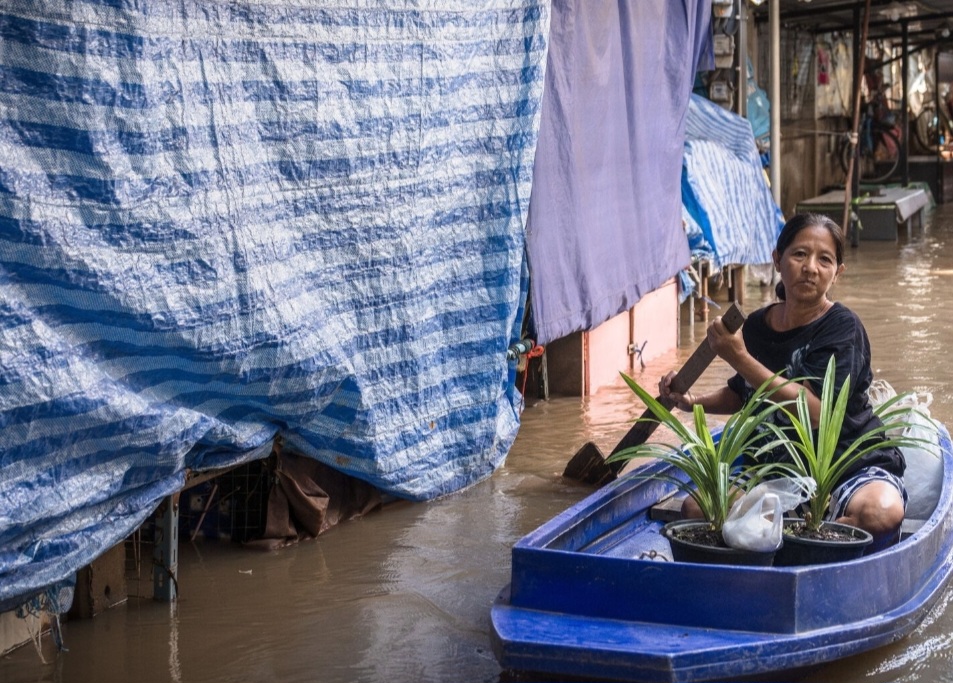
A health facility cannot adequately protect a pregnant woman during an emergency if flooding has cut off access to care. Nor can a hospital maintain essential services during extreme heat if its electricity and water supplies are unreliable.
This is why WHO is calling for health systems that are not only capable of responding to existing disease burdens but can also withstand the growing pressures of a changing climate.
The missing link between evidence and action
At the centre of WHO’s message at COP31 is a financing and implementation problem.
The organisation’s 2025 Health and Climate Change Global Survey found that countries have substantial knowledge of effective climate and health interventions, but implementation and financing have not kept pace.
In other words, the evidence exists, but translating it into functioning programmes, resilient facilities and accessible healthcare remains a challenge.
To address this gap, the COP31 Presidency, with WHO’s support, is launching the Antalya Initiative for Health Resilience (AIR), a voluntary and non-binding initiative designed to help countries exchange practical experiences and translate scientific evidence into measurable action.
The initiative will facilitate the sharing of case studies, peer learning, documentation of successful interventions and the identification of lessons that countries can adapt to their own circumstances.
Its work will continue beyond COP31 through the Alliance for Transformative Action on Climate and Health (ATACH), providing a platform for countries to share progress and strengthen their approaches to climate-resilient healthcare.
For countries already experiencing the consequences of extreme weather, the initiative offers an opportunity to learn from interventions that have worked elsewhere rather than repeatedly developing solutions in isolation.
Dr Diarmid Campbell Lendrum, Head of WHO’s Climate Change, Energy and Air Quality Unit, said the conference provides an opportunity to move from knowledge to implementation, backed by adequate financing and political commitment.
“Health is the strongest argument for climate action,” he said.
The economic case for protecting lives
The argument for investing in climate and health is not limited to preventing illness and deaths. It also makes economic sense.
On 4 November, WHO released a technical analysis examining the global benefits and costs of prioritised climate-health interventions.
The analysis found that implementing just six priority actions could save approximately 1.6 million lives annually while generating US$24 in benefits for every dollar invested.
The findings strengthen the case for treating climate-health interventions as essential investments rather than additional expenses competing with other healthcare priorities.
WHO is calling for health to become an explicit eligibility area in climate financing, allowing countries to access resources for protecting health systems against climate-related threats.
It is also urging ministries responsible for finance, health, environment and energy to work together when preparing national budgets and climate policies.
Such coordination is important because climate-related health risks cannot be addressed by health ministries alone.
Reducing fossil fuel pollution, improving access to clean energy, strengthening early-warning systems and protecting communities from extreme weather all have implications for public health.
WHO is also drawing attention to black carbon, a powerful short-lived climate pollutant, and plans to share an advance preview of its forthcoming report on its health effects during COP31.
Reducing black carbon offers an opportunity to improve air quality while contributing to efforts to slow near-term global warming.
Putting health at the centre of climate negotiations
Health Day is the beginning of a wider programme of activities running throughout COP31, which takes place from 9 to 20 November.
WHO plans to host more than 60 events at the COP31 Health Pavilion and participate in discussions across all 12 thematic days.
The programme will address resilient health systems, digital health solutions, climate-sensitive health technologies, humanitarian assistance and climate-health financing.
On 10 November, the Alliance for Transformative Action on Climate and Health will also convene its members for a dedicated day of discussions and activities.
The engagements are expected to build on the Belém Health Action Plan adopted at COP30, with countries encouraged to join, renew and report their commitments through ATACH.
For developing countries, particularly those with limited resources to respond to climate-related emergencies, the discussions carry significant implications.
The burden of climate-related disasters is not distributed equally, and countries with fewer financial and infrastructural resources often face greater difficulties protecting their populations.
This makes access to climate financing particularly important for strengthening health infrastructure, maintaining essential services and preparing communities for future emergencies.
Ultimately, the success of COP31 will not be determined by the number of declarations made or discussions held, but by whether governments translate their commitments into funded programmes and stronger health systems.
For the communities already living with the consequences of a changing climate, the urgency is not theoretical.
It is reflected in whether a health facility can continue operating during extreme weather, whether a child can access treatment when environmental conditions worsen and whether a pregnant woman can receive timely care when disasters disrupt transport and essential services.
WHO’s message at COP31 is that protecting the climate is inseparable from protecting human health.
The science has established the risks, and the evidence has identified interventions capable of saving lives. What remains is the political commitment and financing to make those interventions accessible to the people who need them most.