
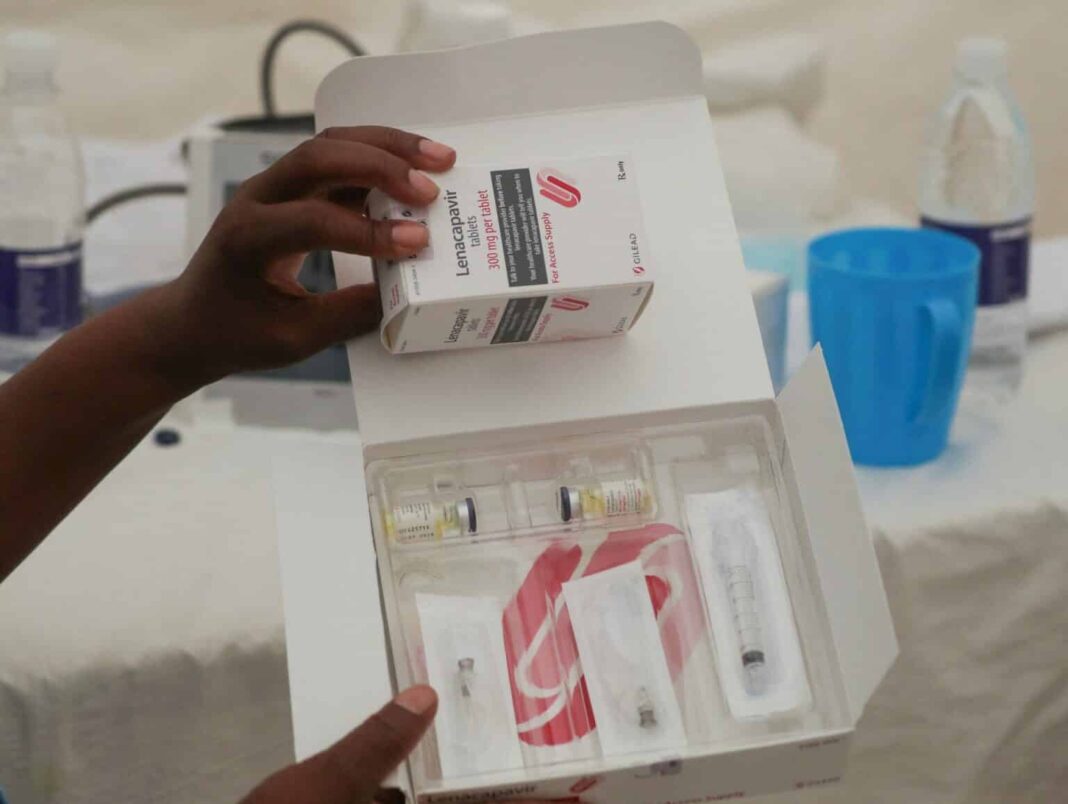

India-based pharmaceutical manufacturer Hetero has begun shipping generic versions of lenacapavir, a long-acting HIV prevention drug, to Africa in a move expected to expand access to new prevention options across countries with high HIV burdens.
The company announced on November 26 that it plans to supply 300,000 vials to Zambia, Uganda and Zimbabwe in the initial phase, with deliveries to 10 additional African countries expected to begin in early 2027.
Lenacapavir offers an alternative to conventional daily pre-exposure prophylaxis (PrEP) pills. Administered twice a year, the injectable drug could provide a more convenient prevention option for people who face challenges maintaining daily medication routines.
The World Health Organization recommended lenacapavir as an additional HIV prevention option in 2025, following clinical trial findings demonstrating high effectiveness in preventing HIV infection.
The shipments follow the Global Fund to Fight AIDS, Tuberculosis and Malaria’s announcement that the first supplies of generic lenacapavir had arrived in Zambia, with deliveries to Uganda expected shortly. Zimbabwe is scheduled to receive supplies in early 2027.
According to the Global Fund, more than 189,000 people across 10 countries had received their first dose of lenacapavir by November 2026. The organisation plans to deliver four times as much of the drug in 2027 as it did in 2026, with generic manufacturers expected to account for an increasing proportion of supplies.
Hetero is among six manufacturers licensed by Gilead Sciences to produce and supply generic versions of lenacapavir in 120 low- and middle-income countries. Other licensed manufacturers include Dr. Reddy’s Laboratories.
The licensing arrangement is intended to widen access to the drug in regions where HIV prevention remains a significant public health priority, particularly in low- and middle-income countries.
Beyond its African expansion, Hetero also plans to introduce generic lenacapavir in India in the coming months, subject to regulatory approvals.
The arrival of generic supplies marks an important development in efforts to make long-acting HIV prevention more accessible. However, expanding availability will also depend on countries’ regulatory processes, procurement arrangements and ability to deliver the injectable treatment through their healthcare systems.
For African countries, the next challenge will be translating the arrival of these supplies into sustained access, ensuring that the benefits of longer-acting HIV prevention reach communities that need additional prevention choices.