Pregnant women and newborns in conflict-affected parts of Mozambique face growing barriers to essential healthcare, prompting a United Nations mission to push for stronger maternal and neonatal health services in communities disrupted by insecurity and displacement.
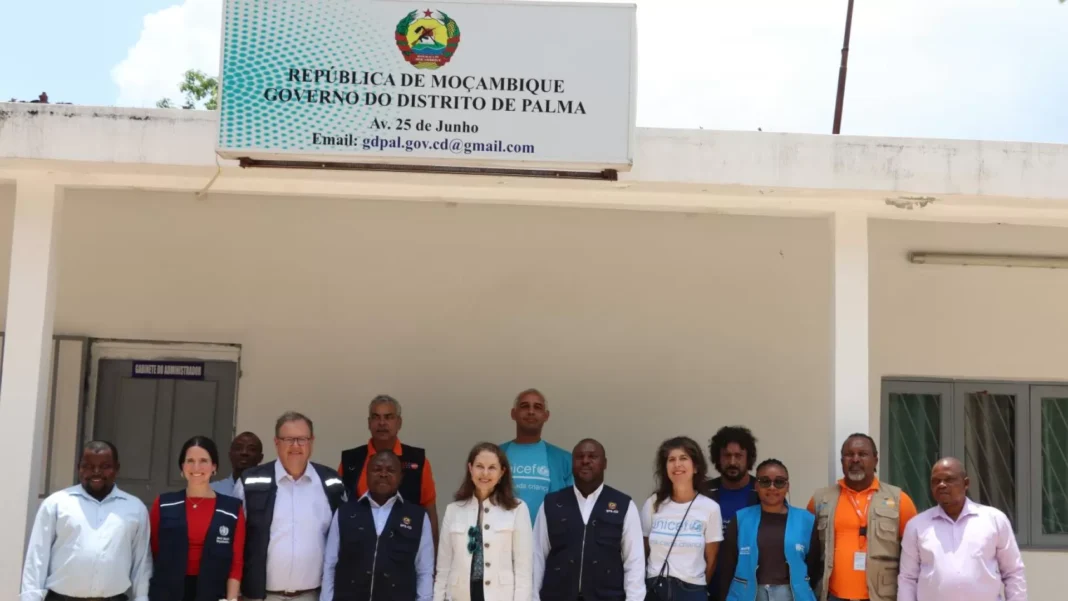
The call followed a seven-day visit to Cabo Delgado Province by Her Royal Highness Princess Sarah Zeid, Special Adviser to the United Nations Emergency Relief Coordinator on Maternal and Neonatal Health in Crisis Situations.
The mission sought to draw attention to the healthcare needs of women, pregnant adolescents and newborns living in areas where conflict, population displacement and climate-related shocks have weakened access to essential services.
Princess Sarah Zeid said listening directly to affected communities was critical to ensuring their experiences inform humanitarian priorities and decisions.
She emphasised the need to reach women and young mothers in remote communities who are often far from health facilities, particularly in areas experiencing prolonged insecurity.
According to Mozambique’s 2022–2023 Demographic and Health Survey, the country records 223 maternal deaths per 100,000 live births, significantly above the Sustainable Development Goal target of fewer than 70 deaths per 100,000 live births by 2030.
Although Mozambique has made progress in improving maternal health, communities experiencing prolonged humanitarian crises continue to face difficulties maintaining access to consistent healthcare.
The disruption is particularly concerning for pregnant women and newborns who require timely antenatal consultations, skilled delivery services, postnatal follow-up and emergency obstetric care.
The mission therefore placed emphasis on protecting essential services, including safe childbirth, emergency obstetric and neonatal care, prevention of mother-to-child HIV transmission and healthcare support for pregnant adolescents and young mothers.
Princess Sarah Zeid and the accompanying delegation also engaged mothers, girls, midwives and frontline health workers to understand the practical challenges affecting healthcare delivery.
Discussions with government officials, humanitarian organisations and development partners further examined gaps in medical supplies, equipment and the availability of qualified healthcare professionals in the hardest-hit communities.
The delegation included representatives from the World Health Organization (WHO), the United Nations Office for the Coordination of Humanitarian Affairs (OCHA), UNICEF and the United Nations Population Fund (UNFPA).
WHO’s delegation was led by its Representative in Mozambique, Dr Severin von Xylander, who said the visit provided an opportunity to highlight the needs of women, newborns and adolescents affected by emergencies, particularly younger mothers.
Beyond assessing existing challenges, the engagements sought to strengthen coordination between government institutions and humanitarian partners, identify service delivery gaps and mobilise additional resources for maternal and neonatal healthcare.
The discussions also focused on ensuring continuity of essential services during emergencies and recovery, particularly in districts where insecurity makes access to healthcare facilities difficult.
WHO said it would continue working with the Mozambican government and humanitarian partners to integrate maternal and neonatal health into emergency preparedness and response programmes.
The agency stressed that the needs of women, adolescents and newborns must be considered from the beginning of humanitarian interventions to ensure that quality healthcare reaches communities most affected by crises.