As the global wellness industry expands, WHO is pushing for stronger evidence, regulation and protection of traditional knowledge to ensure communities are not left behind in the growing market.
Traditional medicine is increasingly becoming part of a global wellness economy worth trillions of dollars. But as demand for traditional and complementary therapies grows, the World Health Organization is calling for stronger safeguards to ensure that commercial expansion does not come at the expense of public health, Indigenous knowledge or the communities that sustain these practices.
The global traditional and complementary medicine sector was valued at US$646.3 billion in 2025, according to the Global Wellness Institute’s 2026 Global Wellness Economy Monitor.
The sector forms part of a wider wellness economy estimated at US$7.5 trillion, reflecting the growing economic significance of products, practices and services associated with health and well-being.
Yet the expansion of the industry presents a challenge beyond its commercial potential: how can traditional knowledge be incorporated into modern wellness systems while ensuring that the people who have preserved it are respected, protected and able to benefit?
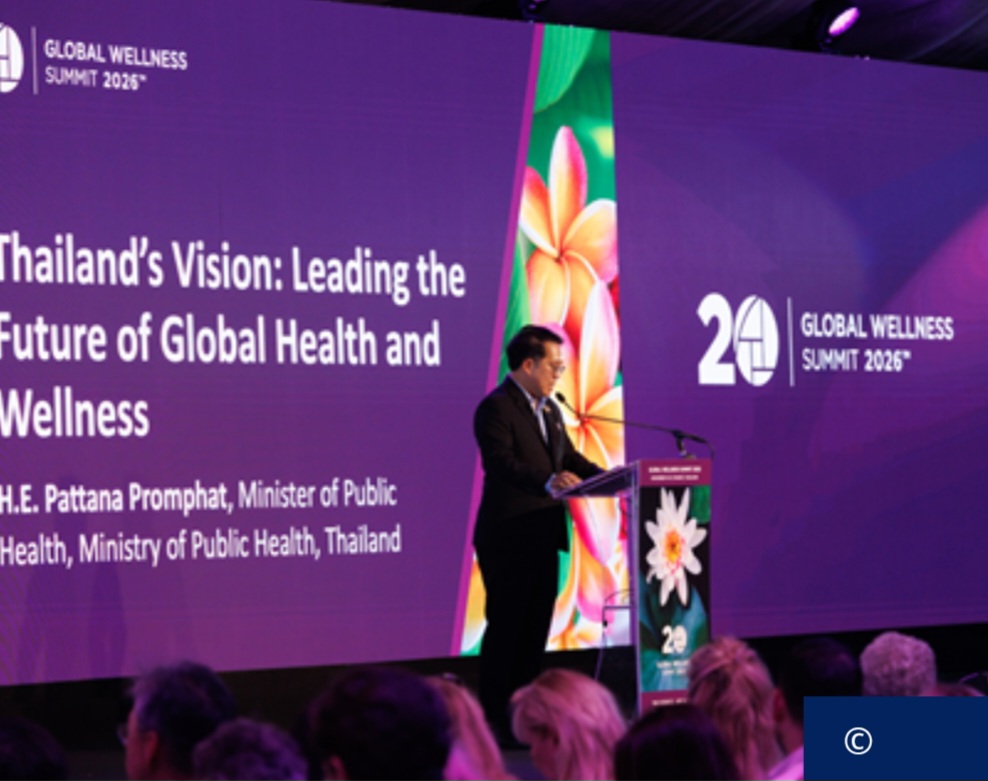
The question was central to discussions at the 20th Global Wellness Summit, held in Phuket, Thailand, from November 10 to 13, where the WHO Global Traditional Medicine Centre (GTMC) engaged health experts, researchers, tourism leaders and wellness industry representatives.
The summit, held under the theme “The Science, Art and Soul of Wellness”, examined prevention, healthy longevity and well-being, with traditional medicine emerging as part of discussions on the future of health and wellness.
The Global Wellness Institute estimates that the traditional and complementary medicine sector grew by an annual average of 5.1 per cent between 2019 and 2025.
It projects the sector to reach approximately US$1 trillion by 2030, with annual growth of 9.1 per cent between 2025 and 2030, compared with 7.7 per cent for the overall wellness economy.
The projections point to an expanding market, but WHO’s engagement at the summit focused on the conditions needed to ensure that growth is accompanied by safety, quality and accountability.
Representatives from the WHO Global Traditional Medicine Centre met Thai counterparts, including the Director-General of Thailand’s Department of Thai Traditional and Alternative Medicine, Dr Pongsadhorn Pokpermdee, to discuss international cooperation and the development of traditional medicine.
The discussions emphasised evidence, safety, regulation, quality, equity and sustainability in advancing the WHO Global Traditional Medicine Strategy 2025–2034.
These priorities are particularly significant as traditional medicine becomes more visible in commercial wellness markets.
Practices and products rooted in long-established knowledge systems are increasingly being discussed alongside scientific research, health services and international trade.
However, the growing economic value of the sector also raises questions about how traditional knowledge is documented, protected and used, and whether the communities that have preserved it are adequately recognised.
At the summit, WHO GTMC representatives also engaged stakeholders on the emerging Living Well initiative, which is being co-developed to strengthen trust in traditional medicine and wellness products, practices and places.
Guided by the principles “Sourced · Safe · Sustainable”, the initiative is intended to support evidence-informed standards, country stewardship and inclusive cooperation while safeguarding public health, traditional knowledge and biodiversity.
The initiative reflects an effort to address the relationship between the growing wellness industry and the resources on which traditional medicine depends.
For Indigenous communities, traditional knowledge can be closely connected to cultural identity, local environments and generations of practice. Its growing commercial value therefore makes questions of ownership, recognition and equitable benefit-sharing increasingly important.
The summit also provided a platform for discussions on Indigenous knowledge systems and their contributions to well-being.
At the invitation of the organisers, WHO GTMC’s Dr Maaya Kita hosted a table topics lunch discussion on “WHO and Indigenous Wellness”.
The exchange explored the importance of Indigenous leadership, respectful engagement, protection of traditional knowledge and equitable benefit-sharing.
These issues are also relevant to the sustainability of traditional medicine, particularly where practices depend on biodiversity and locally sourced materials.
The discussions come as Thailand prepares to host the Third WHO Global Summit on Traditional Medicine in Bangkok from November 10 to 12, 2027.
The summit is expected to provide another opportunity for countries and international partners to examine how traditional medicine can contribute to health and well-being while addressing questions of evidence, regulation and cooperation.
Thailand’s Minister of Public Health, Pattana Promphat, highlighted the country’s national strategy for 2025–2034, which links medical services, wellness, research, product development and international collaboration.
He also emphasised the integration of Thai traditional medicine into public health services, alongside universal health coverage and the role of community health volunteers.
“Our goal is integration, not a choice between tradition and technology,” Promphat said.
The statement reflects a broader discussion about how traditional medicine can contribute to health systems without being separated from the scientific and regulatory standards needed to protect patients.
For WHO, the challenge is to support traditional medicine through evidence-informed approaches while ensuring that its development remains inclusive and sustainable.
The growing wellness market offers economic opportunities, but its long-term credibility will depend on more than consumer demand and commercial expansion.
It will also depend on whether traditional knowledge is protected, whether products and practices meet appropriate safety standards, and whether the communities behind them share in the benefits.
As traditional medicine moves further into the global wellness economy, the central question is no longer only how large the market can become, but whether its growth can be trusted by the people it is intended to serve.