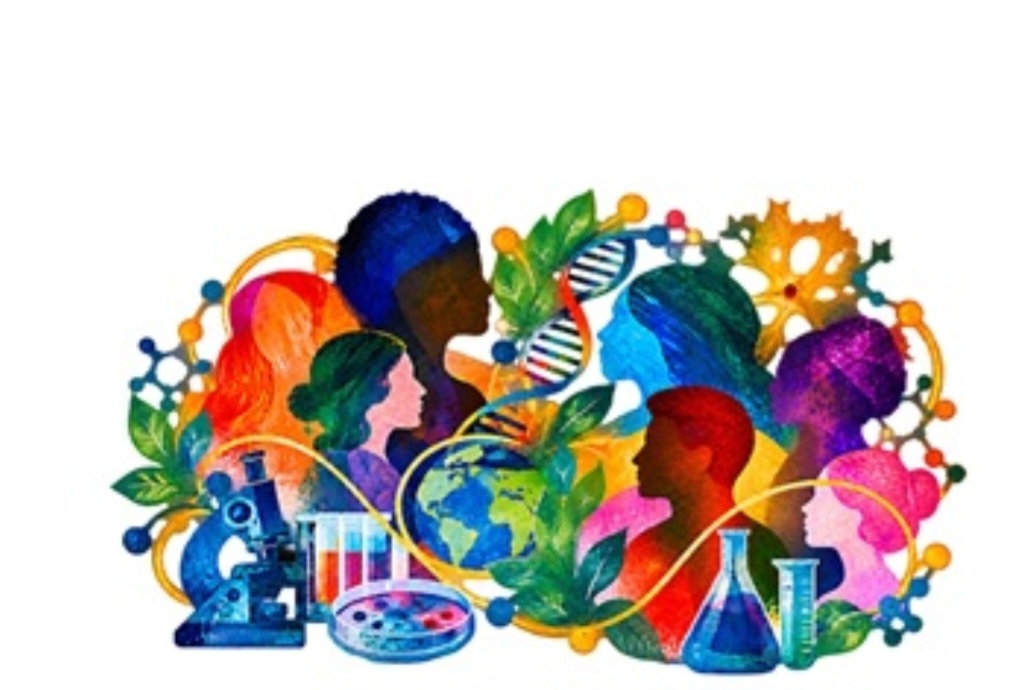

The initiative aims to strengthen public trust in scientific evidence, improve health policymaking and tackle misinformation through collaboration across sectors.
The World Health Organization (WHO) has invited organizations and institutions worldwide to join a new global movement aimed at strengthening public trust in science and ensuring scientific discoveries translate into better health outcomes.
The initiative, dubbed Together for Science and Health, seeks to bring researchers, healthcare professionals, policymakers, civil society organizations, communicators and communities together to promote evidence-informed decision-making.
In an announcement published on October 13, 2026, WHO said the movement would strengthen connections between science and society while encouraging collaboration to ensure people understand and benefit from scientific advances.
The organization noted that scientific breakthroughs, including antibiotics, vaccines, improved sanitation and antiretroviral treatment for HIV, have significantly improved health outcomes worldwide.
Advances in cancer screening, prevention and treatment have also helped detect diseases earlier and extend lives.
However, WHO warned that scientific progress cannot be taken for granted, emphasizing the need for people to trust scientific evidence, understand its relevance to their lives and participate in shaping research priorities.
“Science is not just about making discoveries. It is about making a difference in people’s lives and ensuring that everyone has the opportunity to benefit,” said Dr Sylvie Briand, WHO Chief Scientist and Assistant Director-General for Better Health Systems, Access and Data ad interim.
The movement will focus on three interconnected areas: strengthening engagement between science and society, promoting the use of scientific evidence in policymaking, and improving science communication.
Under the science and society pillar, participating organizations will be encouraged to bring researchers and communities closer together to ensure scientific research reflects people’s needs and experiences.
The science and policy pillar will focus on supporting decision-makers to use reliable evidence when developing practical, fair and effective health policies.
Meanwhile, the science communication component seeks to make scientific information easier to understand, encourage constructive public discussions and address misinformation and disinformation.
WHO said the three areas would help create stronger links between scientific knowledge, public understanding and decisions affecting people’s health.
WHO Opens Call for Organizational Participation
As part of the initiative, WHO is inviting organizations and institutions that share its vision to formally affiliate with the movement.
Interested organizations are required to endorse the movement’s Declaration of Commitment, complete an affiliation form, support its principles and values, and outline how they can contribute to its three pillars.
Participating organizations will be able to contribute their expertise, networks and practical solutions to efforts aimed at strengthening public trust in science and improving health outcomes.
The initiative is underpinned by the RISES values: Respect, Integrity, Scientific Rigor, Ethical Responsibility and Social Inclusion.
WHO said the movement would bring together diverse stakeholders, including young people, scientists, policymakers, health professionals, communicators and community representatives, around a shared commitment to science as a foundation for better health.
The global movement is scheduled to be officially launched on November 10, 2026, marking the beginning of a broader collaborative effort to position science as a force for health, equity and the public good.
The initiative comes as WHO continues to emphasize the importance of scientific evidence in protecting public health and informing decisions on disease prevention, treatment and healthcare delivery.
Through the new movement, the organization hopes to strengthen cooperation across sectors and ensure scientific advances benefit communities more equitably.