
An estimated 59 million children under the age of five across Africa are missing out on the dietary diversity needed for healthy growth, exposing millions to an increased risk of wasting, a life-threatening form of malnutrition.
The World Health Organization (WHO) reports that children who lack adequate dietary diversity are up to 50 per cent more likely to suffer from wasting, raising concerns about the nutritional quality of meals consumed during the critical early years of life.
For many children, the problem begins with diets dominated by breastmilk and a single starchy staple, such as maize, rice or cassava, without sufficient variety to meet their nutritional needs.
According to WHO, many of these children consume foods from no more than two of the eight recommended food groups daily, highlighting the challenge of ensuring that young children receive the nutrients required for healthy development.
The findings have prompted renewed calls for African governments to address barriers to nutritious food and strengthen support for parents and caregivers during the transition to complementary feeding.
Experts from 15 African countries, including Kenya, met in Abidjan, Côte d’Ivoire, from October 19 to 21 to develop national roadmaps aimed at improving dietary diversity among children aged six to 23 months.
The workshop was convened by WHO and the United Nations Children’s Fund (UNICEF).
Beyond feeding children to feeding them well
While ensuring that children receive enough food remains important, the quality and variety of their diets are equally critical to their growth and development.
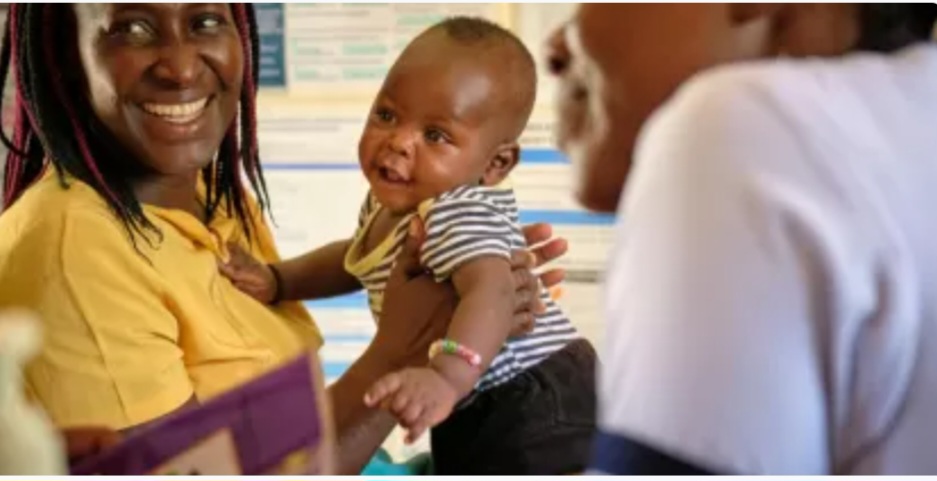
Complementary feeding involves introducing foods alongside continued breastfeeding when infants reach around six months of age, when breastmilk alone is no longer sufficient to meet all their nutritional requirements.
However, millions of African households face barriers to providing diverse diets, including the high cost of nutritious foods, limited availability and difficulties accessing essential food items.
These challenges can leave families relying heavily on affordable staples without adequate access to other food groups needed to support healthy development.
The consequences extend beyond hunger. Inadequate dietary diversity can contribute to nutritional deficiencies and increase children’s vulnerability to malnutrition during a crucial period of physical and cognitive development.
Dr Lucien Manga, WHO Representative in Côte d’Ivoire, said improving complementary feeding requires nutritious foods, supportive food environments, informed caregivers and stronger health systems.
He emphasised the importance of providing safe, diverse and nutrient-rich complementary foods alongside continued breastfeeding.
Why families need more than advice
Health experts at the Abidjan meeting highlighted the need to address the practical challenges caregivers face when trying to provide nutritious meals.
Although parents may understand the importance of a balanced diet, knowledge alone cannot overcome food prices, limited availability or inadequate household resources.
Participants therefore explored ways to strengthen collaboration between the health, agriculture and social protection sectors to make nutritious foods more affordable and accessible.
The discussions also focused on expanding feeding counselling through primary healthcare facilities and community services, improving the skills of frontline health workers and ensuring caregivers receive consistent, practical information.
UNICEF Representative ad interim in Côte d’Ivoire Mariana Stirbu said many parents and caregivers want the best for their children but continue to face barriers to accessing affordable, nutritious foods.
She called for investment in practical solutions and coordinated action to create environments that support healthy feeding practices.
The emphasis on affordability and access highlights a broader challenge for African countries: nutrition interventions must address not only what caregivers know about feeding children, but also whether households can obtain the foods they need.
Countries develop roadmaps for action
Representatives from Benin, Burkina Faso, Côte d’Ivoire, the Democratic Republic of the Congo, Ethiopia, Ghana, Guinea, Kenya, Madagascar, Malawi, Niger, Nigeria, Senegal, Tanzania and Togo participated in the workshop.
They reviewed national policies and programmes against WHO and UNICEF guidance on complementary feeding, identifying opportunities to strengthen services and reach vulnerable children.
The meeting concluded with the development of national roadmaps outlining priority actions, implementation milestones and approaches for monitoring progress.
With support from WHO, UNICEF and other partners, participating countries are expected to advance the plans to strengthen feeding support and improve children’s access to nutritious diets.
The challenge now is translating these commitments into practical improvements for households, particularly those facing economic and food-access constraints.
For millions of African children, a healthier future will depend not simply on having food on their plates, but on whether that food provides the diversity and nutrients they need to survive, grow and thrive.