
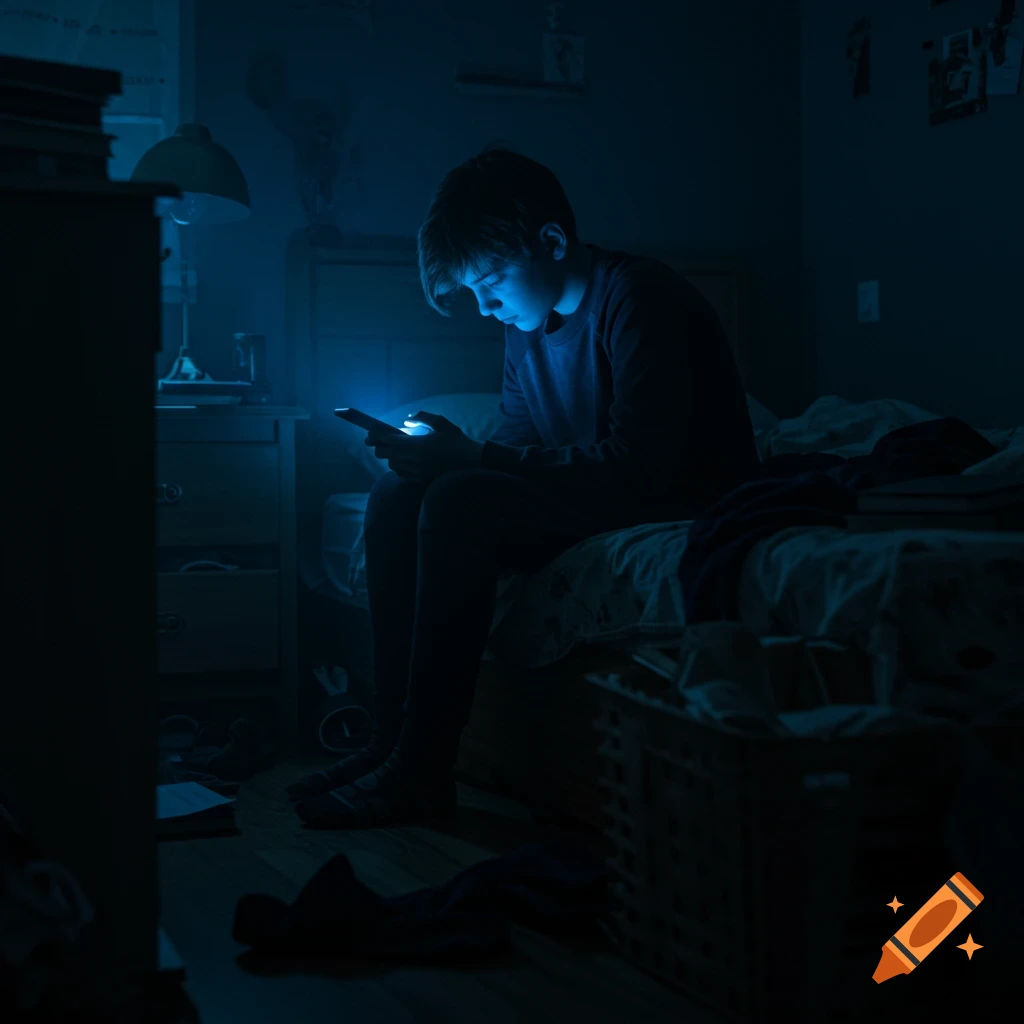

An estimated 20 million children aged 12 to 17 — close to one in five experienced at least one form of technology-facilitated sexual exploitation or abuse within a single year, across 21 countries surveyed, according to a new UNICEF report released this week.
The report, titled Through Children’s Eyes: How Digital Technologies Enable Child Sexual Abuse, draws on children’s own testimonies alongside one of the largest available bodies of survey data on the issue. It found that more than 15 million children were exposed to unwanted sexual content, 9 million were pressured into sexual conversations or asked to share sexual images against their will, and 4 million had sexual images of themselves circulated without consent. UNICEF cautions that underreporting means the real scale is likely considerably higher.
UNICEF Executive Director Catherine Russell said the findings expose a painful reality, with millions of children encountering exploitation in the same digital spaces where they learn, play and connect with friends, often suffering in silence without knowing where to turn for help.
Nearly 60% of cases occurred on mainstream social media platforms including Facebook, Instagram, Snapchat, TikTok and WhatsApp with 14% taking place inside online games. The report notes that platform features and design were often exploited to build trust with victims. The pattern varied by country: in Montenegro, more than 80% of reported cases were linked to social media, while in Colombia the figure exceeded half.
Contrary to the common assumption that online abuse is mostly carried out by strangers, 57% of cases involved someone the child already knew peers, romantic partners, friends or family members. Still, 38% of children first encountered their abuser online, with the report pointing to fake accounts and private messaging features as common tools used to facilitate contact.
The psychological toll described by children in the research centred on fear, shame, confusion and isolation, with many struggling to make sense of what had happened to them or where to seek support. One young woman from the Dominican Republic, describing the aftermath of private images being shared without her consent at age 14, said she didn’t know how to react and felt somewhat in shock.
The report’s data show children who experienced tech-facilitated exploitation were four times more likely to report suicidal thoughts, behaviours or self-harm, along with markedly higher levels of anxiety than their peers. In Mexico and North Macedonia, the risk of suicidal thoughts or behaviours was more than eight times higher among affected children, while in Pakistan the risk of self-harm was over seven times higher.
Despite the scale of the problem, more than 40% of cases were never disclosed to anyone, and fewer than 1% were reported to authorities such as police, social workers or helplines. The most commonly cited reason for staying silent was simply not knowing where to go or whom to tell a pattern especially pronounced in Armenia, where more than half of cases went entirely unshared.
Calls for action
UNICEF is urging governments, technology companies and other stakeholders to take urgent steps to better protect children online, including:
- Building safety into digital platforms by design, with stronger privacy protections, limits on unsolicited contact from adults, safer recommendation systems, and improved detection and reporting tools.
- Strengthening laws and regulatory enforcement to keep pace with evolving forms of abuse, including sexual extortion and AI-generated abuse material.
- Investing in reporting and support systems spanning child protection, health, justice and social services that children can trust.
- Shifting responsibility away from children themselves, so families, schools and communities are equipped to respond supportively when abuse is disclosed.
- Addressing the economic vulnerabilities that perpetrators exploit, through stronger family support and expanded education and employment opportunities for young people.
- Challenging social and gender norms that normalise the sexualisation of girls and stigmatise survivors of sexual violence.
Russell said governments and technology companies alike must do more to protect children online.